Are Wolf Spiders Poisonous? Venom Facts, Safety, and Human Risk Guide
Quick Facts
Venom Type: Mild venom used for subduing prey
Danger Level to Humans: Generally low
Average Size: 0.25–2 inches long depending on species
Global Range: Found worldwide except Antarctica
Conservation Status: Not Evaluated as a single species group
Notable Feature: Large appearance often causes them to be mistaken for highly dangerous spiders
Introduction to Wolf Spider Venom and Human Safety
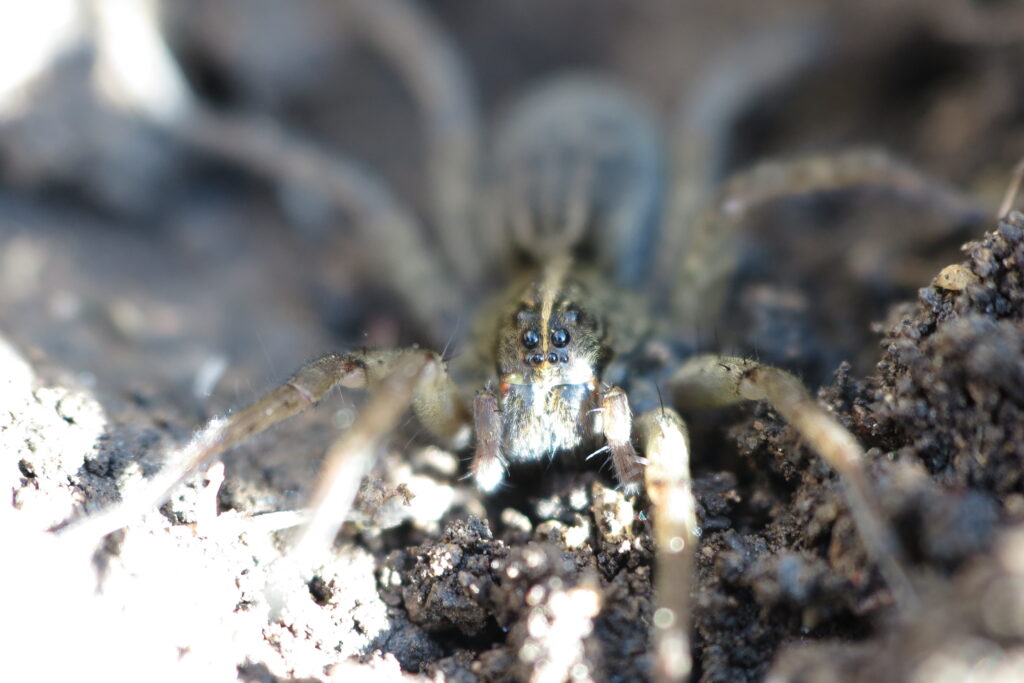
The Wolf Spider is one of the most commonly misunderstood spiders in North America because of its large size, fast movement, and intimidating appearance. Found across forests, grasslands, suburban yards, rocky terrain, basements, and woodland edges, wolf spiders are active hunting spiders that rely on speed and strong vision instead of webs. Their sudden appearance often causes immediate concern, especially when people wonder whether the spider is poisonous or dangerous.
Many homeowners encounter wolf spiders indoors and assume they are highly venomous because of their thick bodies and large leg span. In reality, wolf spiders are considered medically low-risk to humans compared to truly dangerous species such as widow spiders or some recluse spiders. Although they possess venom, it is designed primarily for subduing insects and small prey rather than harming large animals.
The confusion surrounding wolf spider danger often comes from fear-based identification mistakes. Their dark coloration, eye reflection, and rapid movement create a far more threatening impression than their actual medical risk. People frequently overestimate their danger because wolf spiders simply look more aggressive than many smaller household spiders.
Understanding wolf spider venom helps separate myths from reality. These spiders play an important ecological role as insect predators, and most encounters end harmlessly with the spider attempting to escape rather than bite. Despite their alarming appearance, wolf spiders are generally considered beneficial predators rather than dangerous pests.
Wolf Spider Venom Overview and Poisonous Misconceptions
Wolf spiders are venomous in the technical sense because they use venom to immobilize prey, but they are not considered dangerously poisonous to humans under normal circumstances. Their venom is designed for hunting insects and small invertebrates rather than causing severe harm to people. Most bites, when they occur, produce mild localized symptoms rather than serious medical emergencies.
The term “poisonous” is often used incorrectly when discussing spiders. Poisonous animals harm something when eaten or touched, while venomous animals inject toxins through bites or stings. Wolf spiders are therefore venomous rather than poisonous, although their venom is generally mild toward humans.
Most wolf spider bites result in temporary redness, swelling, mild pain, or irritation similar to a bee sting or minor insect bite. Severe reactions are uncommon and usually involve allergies, infection, or unusual individual sensitivity rather than extreme venom toxicity itself. Medical complications from wolf spider bites are considered rare.
Compared to the Brown Recluse Spider, wolf spiders present dramatically lower medical concern. Brown recluse venom can cause tissue damage in some cases, while wolf spider venom usually causes only short-term discomfort. Their bulky appearance often causes people to assume the opposite, however.
Size also contributes heavily to fear and misunderstanding. Larger wolf spiders with wide leg spans naturally appear more dangerous than tiny spiders hidden in corners. In reality, physical appearance alone does not accurately reflect venom severity among spider species.
Another major misconception is that wolf spiders aggressively attack humans. These spiders are actually defensive and usually attempt escape when disturbed. Bites most commonly occur when the spider becomes trapped against skin, accidentally stepped on, or handled directly.
Online fear stories and exaggerated photos also increase public misunderstanding. Close-up images, dramatic lighting, and viral social media posts frequently make wolf spiders seem far more dangerous than scientific evidence supports. Their intimidating appearance simply creates stronger emotional reactions than smaller spiders.
General Characteristics That Influence Wolf Spider Reputation
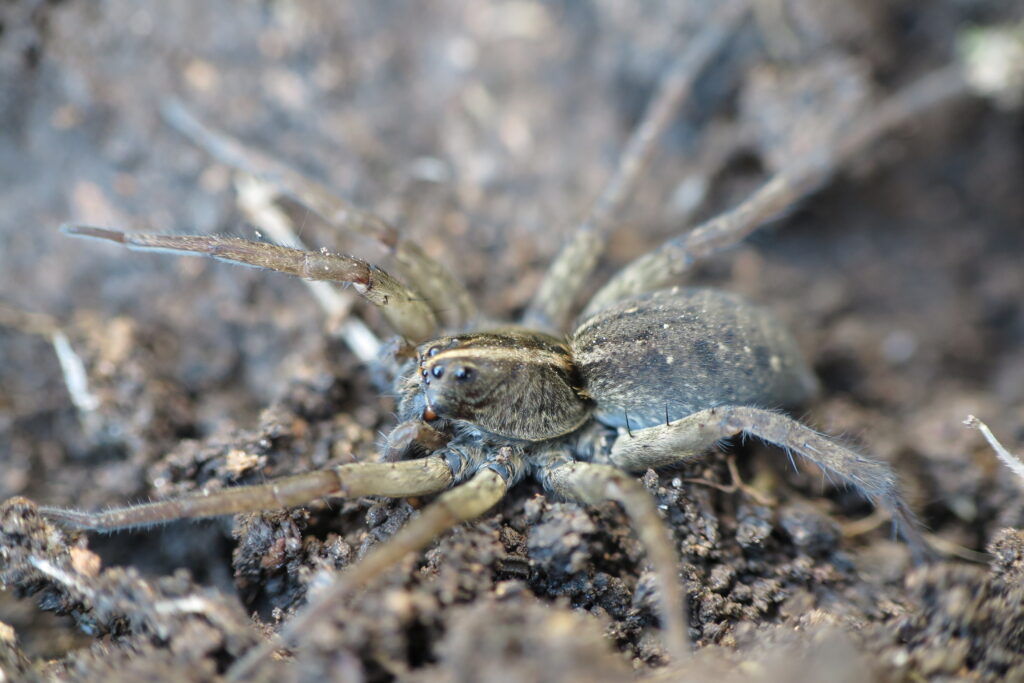
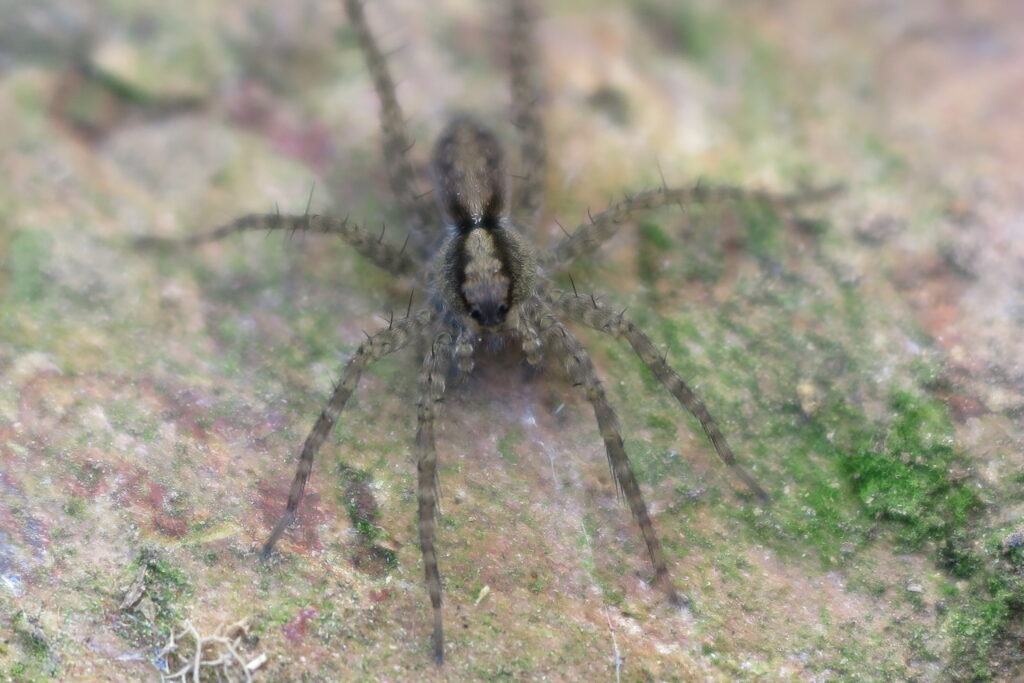
Several physical characteristics contribute to the wolf spider’s reputation as a dangerous spider even though its venom risk remains relatively low. One of the most noticeable features is body size. Larger species may stretch several inches across with legs fully extended, creating an immediate sense of threat when encountered unexpectedly indoors.
Their thick muscular legs and broad body structure also make them appear more powerful than delicate web-building spiders. Unlike thin-legged cellar spiders or small house spiders, wolf spiders possess a compact athletic appearance designed for active hunting. This strong body structure contributes heavily to human fear responses.
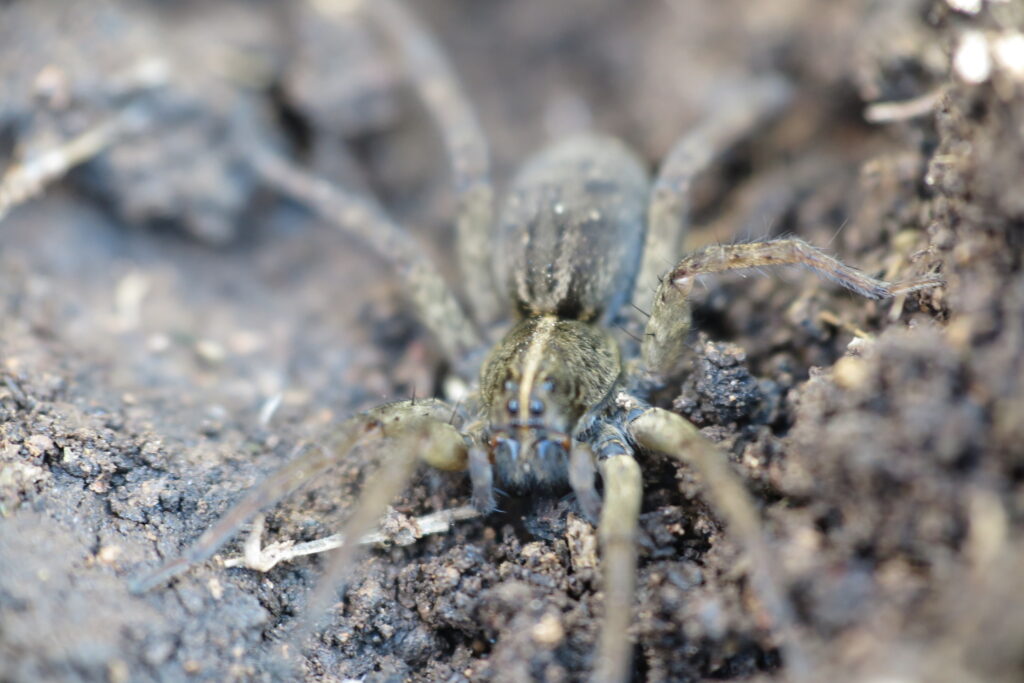
The spider’s eye arrangement further intensifies its intimidating appearance. Wolf spiders possess eight eyes arranged in three rows, including two large forward-facing eyes that reflect light at night. These reflective eyes create a startling visual effect in dark environments, especially when flashlight beams suddenly reveal them.
Compared to the House Spider, wolf spiders appear dramatically larger, faster, and more physically imposing. House spiders remain stationary within webs, while wolf spiders roam actively across floors and walls, making encounters feel more immediate and alarming.
Their movement style is another reason people fear them. Wolf spiders move rapidly in quick bursts across open surfaces instead of remaining hidden within webs. Sudden motion combined with large size often creates panic during unexpected encounters inside homes.
Coloration also contributes to mistaken danger perception. Most wolf spiders display dark brown, black, or gray camouflage patterns that appear shadowy and intimidating indoors. In dim lighting, their coloration may make them seem even larger and more threatening than they truly are.
Females carrying spiderlings across their back can create especially dramatic reactions from people. A mother wolf spider suddenly releasing dozens of babies after being disturbed becomes an unforgettable sight for most homeowners. Although visually startling, this behavior is harmless and entirely natural.
Wolf Spider Venom and Their Role in the Ecosystem
Wolf spider venom plays an important ecological role by helping control insect populations across forests, grasslands, gardens, and suburban environments. Their venom allows them to immobilize prey efficiently while hunting without webs. This predatory ability helps maintain ecological balance within countless ecosystems worldwide.
By consuming crickets, flies, beetles, ants, roaches, caterpillars, and other small animals, wolf spiders naturally reduce populations of many nuisance insects. Their role as roaming predators makes them especially valuable within ground-level habitats where insects remain abundant. In many environments, they function as highly effective biological pest control.
Wolf spiders themselves also serve as prey for birds, reptiles, amphibians, mammals, and larger predatory insects. Their presence supports complex food webs while transferring energy through ecosystems. Even large wolf spiders remain vulnerable to numerous predators despite their venom.
The relatively mild nature of wolf spider venom toward humans reflects its true biological purpose. The venom evolved primarily for subduing small prey rather than defending against large animals. Their first instinct is almost always escape rather than confrontation with humans or other large threats.
Compared to medically significant spiders, wolf spiders rely more heavily on speed, camouflage, and physical escape than dangerous venom for survival. Their fast running ability and excellent vision reduce the need for highly potent toxins. These adaptations make them successful hunters without creating major risk to people.
Wolf spiders also contribute to biodiversity within homes and suburban environments by naturally hunting indoor insects. Although many homeowners fear them, their presence often signals a functioning ecosystem with balanced predator-prey interaction. Removing every spider from an environment may actually increase insect problems over time.
Human misunderstanding of wolf spiders highlights how appearance strongly influences perception of danger in wildlife. Their large size and intimidating posture create fear despite relatively low medical risk. Learning about their venom and ecological role often helps reduce unnecessary fear and encourage more balanced understanding.
Through insect control, ecological interaction, and natural predation, wolf spiders remain important predators across ecosystems worldwide. Their venom is an essential hunting adaptation rather than a major threat to humans, making these spiders far more beneficial than dangerous in most environments.
Popular Searches About Wolf Spiders
Explore Wolf Spider Guide
Explore More Wildlife

Support Encounters World
Help support wildlife photography and get behind the scenes discoveries on Patreon.