Wolf Spider vs Brown Recluse: Key Differences, Identification, and Safety Guide
Quick Facts
Wolf Spider Scientific Name: Family Lycosidae
Brown Recluse Scientific Name: Loxosceles reclusa
Common Names: Wolf Spider and Brown Recluse Spider
Average Size Difference: Wolf spiders are usually larger and bulkier
Eye Arrangement: Wolf spider has 8 eyes; brown recluse has 6 eyes
Global Range: Wolf spiders worldwide; brown recluses mainly central and southern United States
Medical Concern Level: Brown recluse considered more medically significant
Notable Feature: Wolf spiders have large reflective eyes while brown recluses have a violin-shaped marking
Introduction to Wolf Spider vs Brown Recluse Identification
The Wolf Spider and the Brown Recluse Spider are two of the most commonly confused spiders in North America. Both species are brown in coloration, may appear inside homes, and often trigger concern because of their appearance. However, despite superficial similarities, these spiders differ greatly in body structure, behavior, eye arrangement, and medical significance.
Many people searching online for spider identification are trying to determine whether a spider found indoors is a harmless wolf spider or a potentially dangerous brown recluse. Fear and uncertainty increase because wolf spiders are often much larger than brown recluses, causing people to assume the larger spider must be more dangerous. In reality, the opposite is usually true.
Wolf spiders are active ground hunters commonly found throughout forests, grasslands, suburban areas, basements, garages, and woodland edges. Brown recluses prefer darker hidden spaces and are most commonly associated with warm dry indoor environments in certain regions of the United States. Geographic location alone can often help narrow identification quickly.
Understanding the differences between these two spiders is important because accurate identification reduces unnecessary fear and helps people respond appropriately during encounters. Although both spiders are predators that help control insect populations, their appearance, movement, and medical importance are very different once closely examined.
Wolf Spider vs Brown Recluse Appearance Comparison
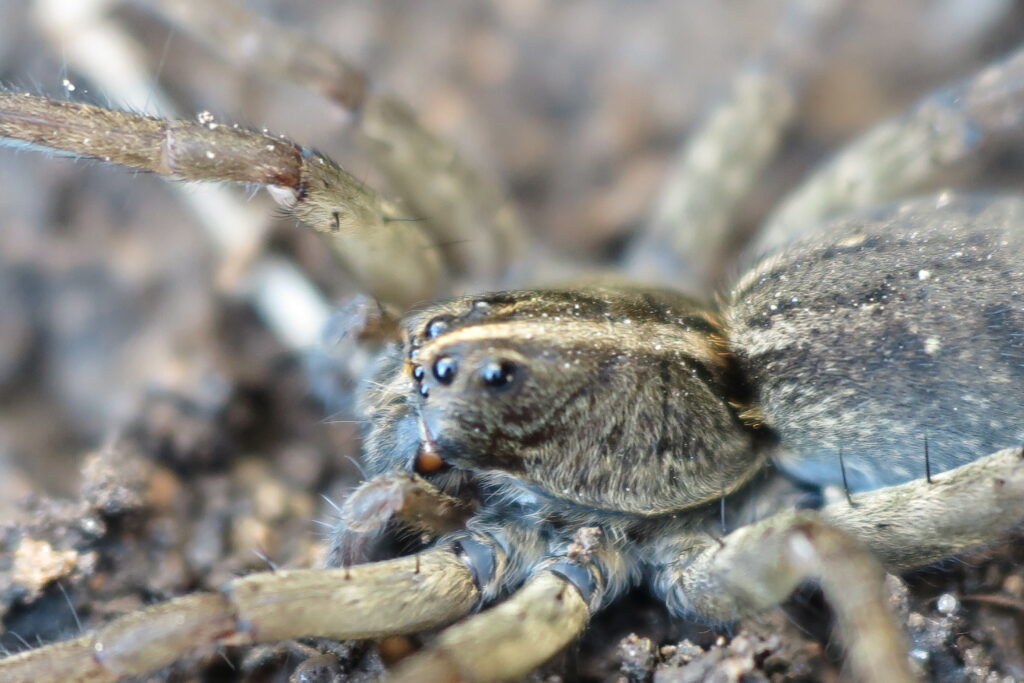
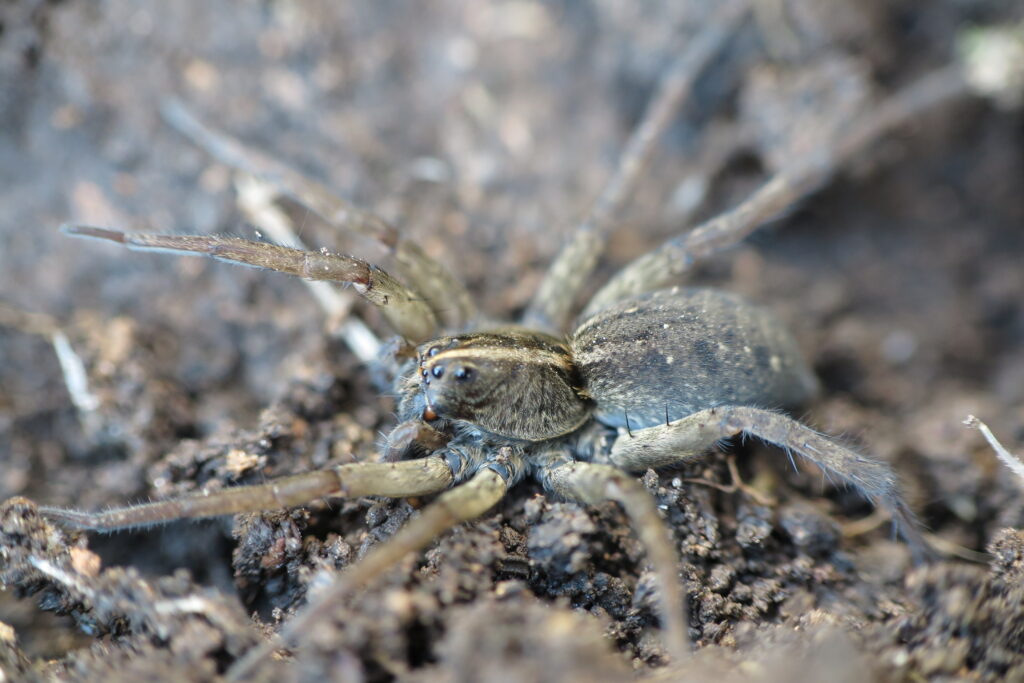
One of the easiest differences between wolf spiders and brown recluses is overall body structure. Wolf spiders possess thick muscular bodies with long sturdy legs designed for active hunting across open ground. Brown recluses appear slimmer, smoother, and more delicate overall with thinner legs and a smaller body profile.
Wolf spiders are usually much larger than brown recluses. Some large wolf spider species may stretch nearly the width of a human palm when legs are extended, while brown recluses typically remain far smaller and less bulky. Their larger size is one reason wolf spiders often appear more intimidating despite presenting lower medical risk.
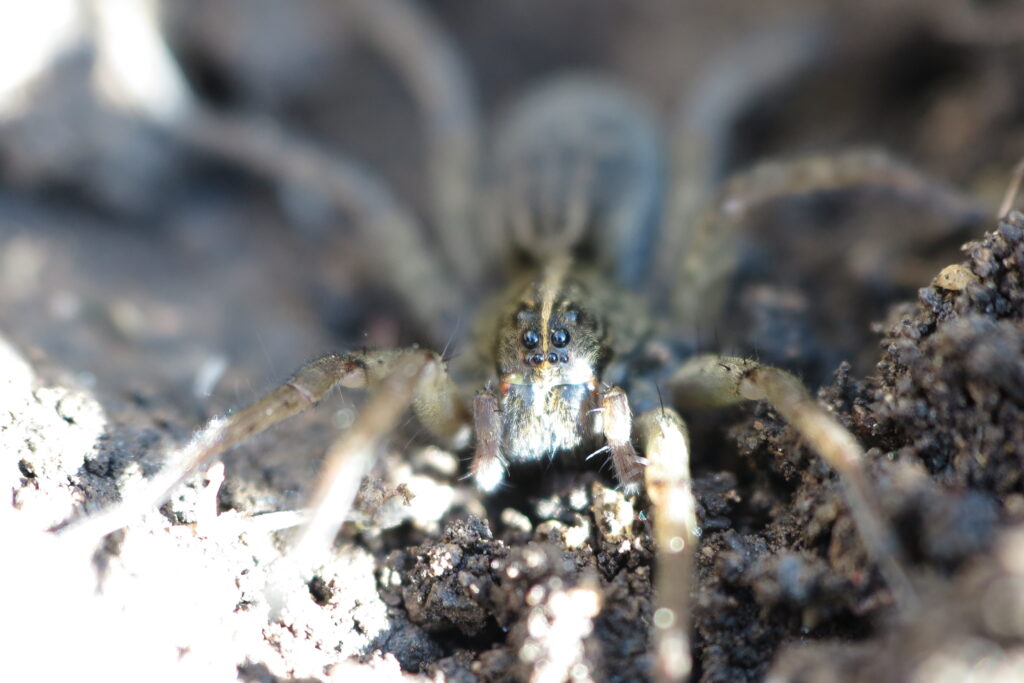
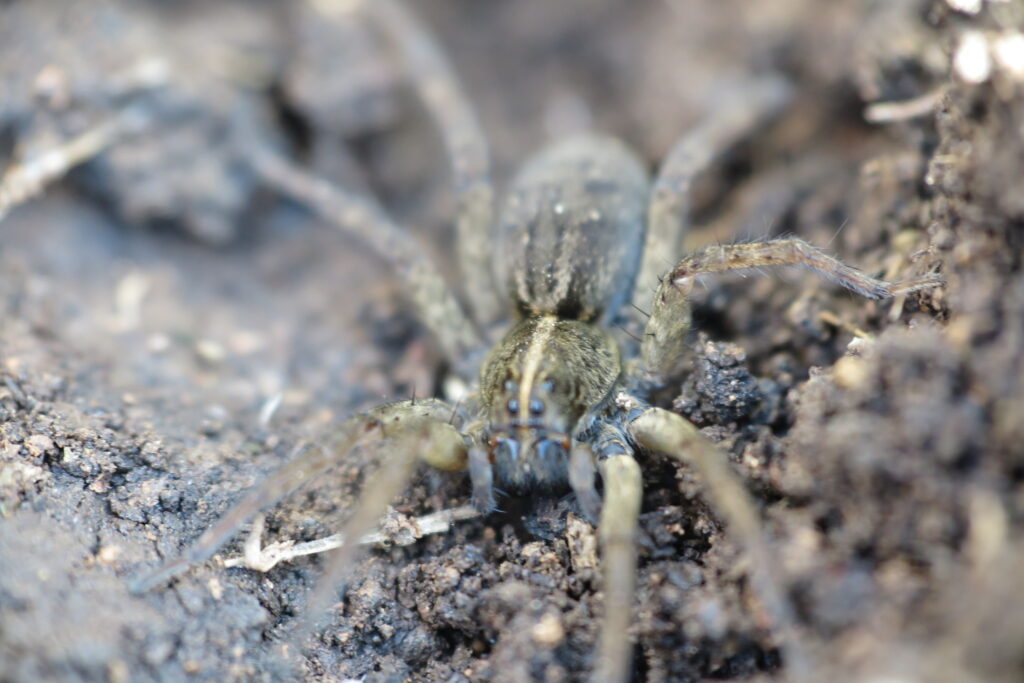
Eye arrangement is one of the most reliable identification features. Wolf spiders possess eight eyes arranged in three rows, including two large forward-facing reflective eyes. Brown recluse spiders only have six eyes arranged in three pairs, lacking the large reflective central eyes seen in wolf spiders.
The famous violin marking associated with brown recluses is another important distinction. Brown recluses usually display a dark violin-shaped marking near the front of the body, although visibility varies depending on lighting and individual spiders. Wolf spiders lack this violin marking and instead display mottled camouflage patterns or stripes.
Compared to the House Spider, both wolf spiders and brown recluses appear more intimidating because of their movement and body shape. However, wolf spiders tend to look hairy and heavily built, while brown recluses appear smoother and more lightly structured.
Wolf spiders also possess noticeably hairier legs and bodies. Fine sensory hairs covering the legs contribute to their rugged appearance and hunting ability. Brown recluses have smoother legs with less visible hair overall, creating a cleaner more delicate look.
Lighting conditions can make identification more difficult indoors. Dim basements or nighttime encounters may hide important details like eye arrangement or markings. In these situations, body thickness, leg structure, and movement style become especially useful for separating the two spiders.
General Characteristics That Separate the Two Spiders
Behavior and movement provide additional clues when distinguishing wolf spiders from brown recluses. Wolf spiders are active roaming hunters that move quickly across floors, walls, grass, and leaf litter while searching for prey. Their movement often appears bold, direct, and highly visible.
Brown recluses behave much more cautiously and secretively. They prefer remaining hidden inside dark protected areas such as cardboard boxes, closets, wood piles, storage spaces, and cluttered corners. Encounters often happen accidentally when objects are moved or disturbed.
Wolf spiders also rely heavily on eyesight while hunting. Their large forward-facing eyes help detect movement and navigate efficiently across terrain. Brown recluses possess weaker visual appearance overall and depend more heavily on stealth and hidden shelter.
Compared to the Jumping Spider, wolf spiders and brown recluses both appear less compact and more elongated. However, wolf spiders still maintain a much more athletic and muscular body shape than the recluse’s flatter delicate appearance.
Another major distinction involves defensive behavior. Wolf spiders usually attempt escape immediately when disturbed and rarely bite unless trapped directly against skin. Brown recluse bites also remain relatively uncommon, but their venom carries greater medical concern when bites do occur.
Habitat preference is another important difference. Wolf spiders are commonly encountered outdoors beneath rocks, logs, leaf litter, grass, and garden vegetation. Brown recluses strongly favor dry undisturbed indoor hiding areas within their natural geographic range.
Geographic distribution matters significantly as well. Brown recluses are concentrated primarily in the central and southern United States. Wolf spiders occur throughout much broader regions worldwide, including areas where brown recluses are naturally uncommon or absent.
Ecological Role and Safety Differences Between the Species
Both wolf spiders and brown recluses serve important ecological roles as insect predators. They help regulate populations of flies, beetles, crickets, roaches, ants, and other small invertebrates across both indoor and outdoor environments. Their presence contributes to natural ecological balance despite public fear surrounding spiders.
Wolf spiders play a particularly important role in outdoor ecosystems because of their active hunting behavior across forests, grasslands, and woodland ground cover. Their speed and strong vision make them highly effective roaming predators. Brown recluses occupy a more hidden ecological niche within sheltered dry environments.
The greatest practical difference between the two species involves venom effects on humans. Wolf spider venom is generally considered medically mild and rarely causes serious complications beyond temporary pain or irritation. Brown recluse venom carries higher medical significance because tissue damage may occur in some bite cases.
Despite this difference, many supposed brown recluse bites are actually misidentified skin conditions or bites from other insects and spiders. Public fear surrounding brown recluses often exceeds actual encounter frequency in many regions. Accurate identification therefore remains extremely important.
Compared to larger visually intimidating wolf spiders, brown recluses appear surprisingly small and delicate for a medically significant species. This contrast demonstrates that size alone does not determine danger level among spiders. Many harmless spiders appear far scarier than medically important species.
Wolf spiders also contribute positively around homes by naturally reducing nuisance insect populations. Although many homeowners remove them because of their appearance, these spiders often help control pests without chemicals. Their ecological benefits frequently outweigh the fear they create.
Understanding the differences between wolf spiders and brown recluses helps reduce panic during encounters while encouraging more informed wildlife identification. Both spiders are important predators within their environments, but they differ greatly in appearance, habitat preference, behavior, and medical relevance.
Through active predation and insect control, both species remain valuable components of ecosystems despite their negative reputation. Learning how to identify them properly allows people to appreciate their ecological role while responding appropriately and safely during real-world encounters.
Popular Searches About Wolf Spiders
Explore Wolf Spider Guide
Explore More Wildlife

Support Encounters World
Help support wildlife photography and get behind the scenes discoveries on Patreon.