
Creeping Charlie Care Guide: How to Grow and Maintain Ground Ivy Successfully

Quick Facts
Plant Type: Perennial Groundcover
Care Difficulty: Easy
Growth Rate: Fast
Sunlight Needs: Partial Shade to Full Sun
Water Requirements: Moderate
Soil Preference: Moist, Well-Drained Soil
Native Range: Europe, Western Asia, and Northern Africa
Introduction to Creeping Charlie Plant Care
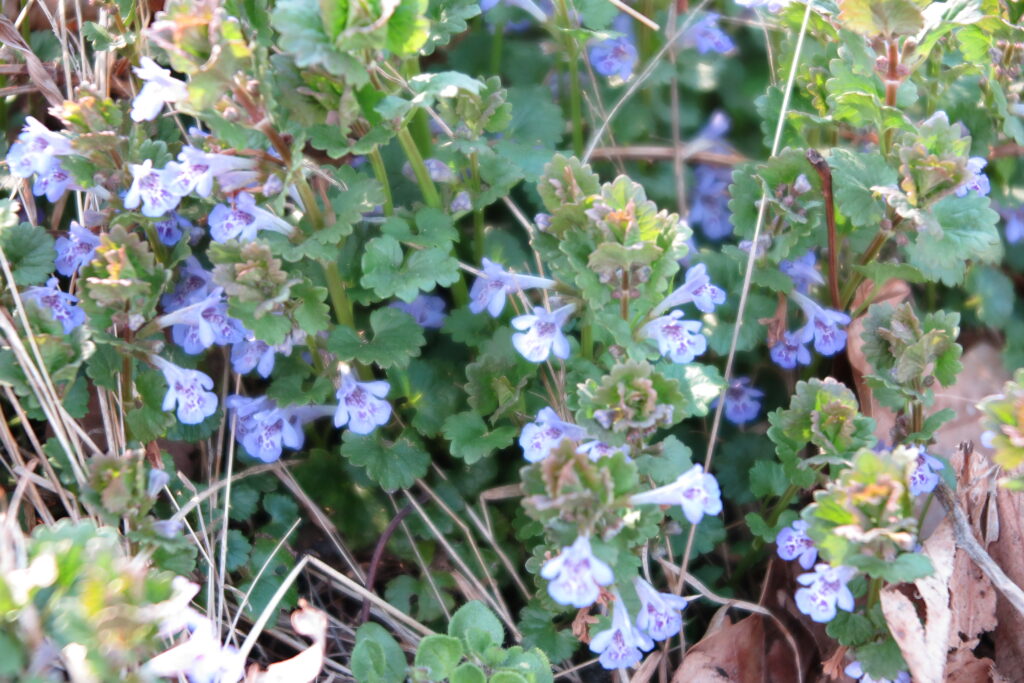
Creeping Charlie (Glechoma hederacea) is a low-growing perennial plant that has become one of the most recognizable groundcovers in temperate regions. Native to Europe and parts of Asia, it has spread across much of North America, where it appears in both cultivated landscapes and naturalized settings. While many people encounter it as a lawn weed, others appreciate its ability to provide dense green coverage.
Unlike ornamental plants that require constant attention, Creeping Charlie is known for its durability and adaptability. Its ability to tolerate a range of environmental conditions allows it to thrive with relatively little maintenance. This resilience has contributed significantly to its widespread distribution.
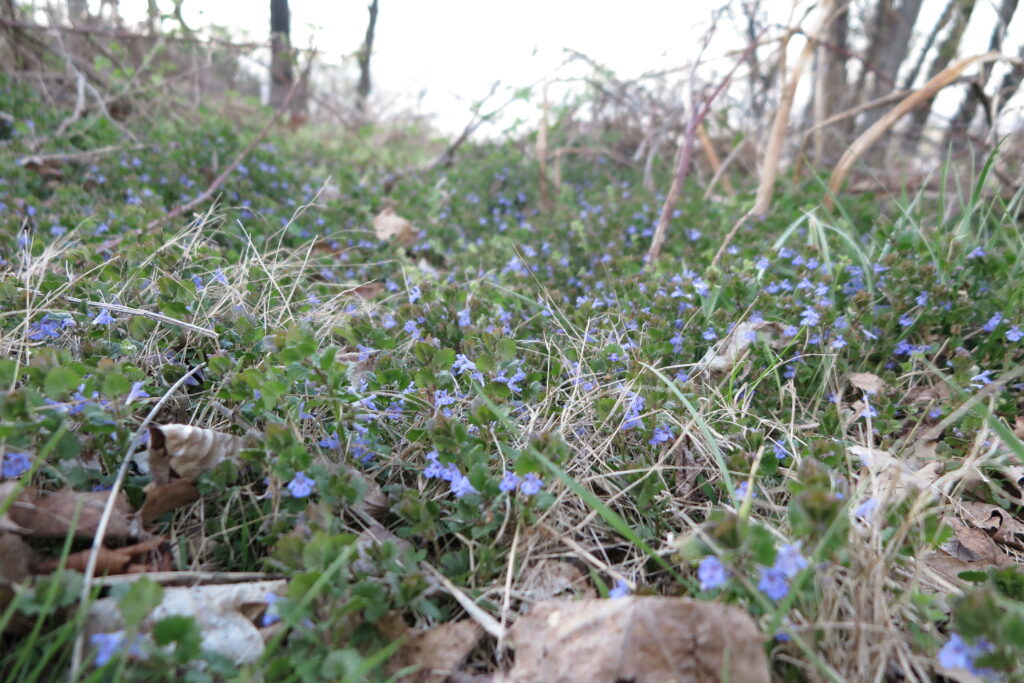
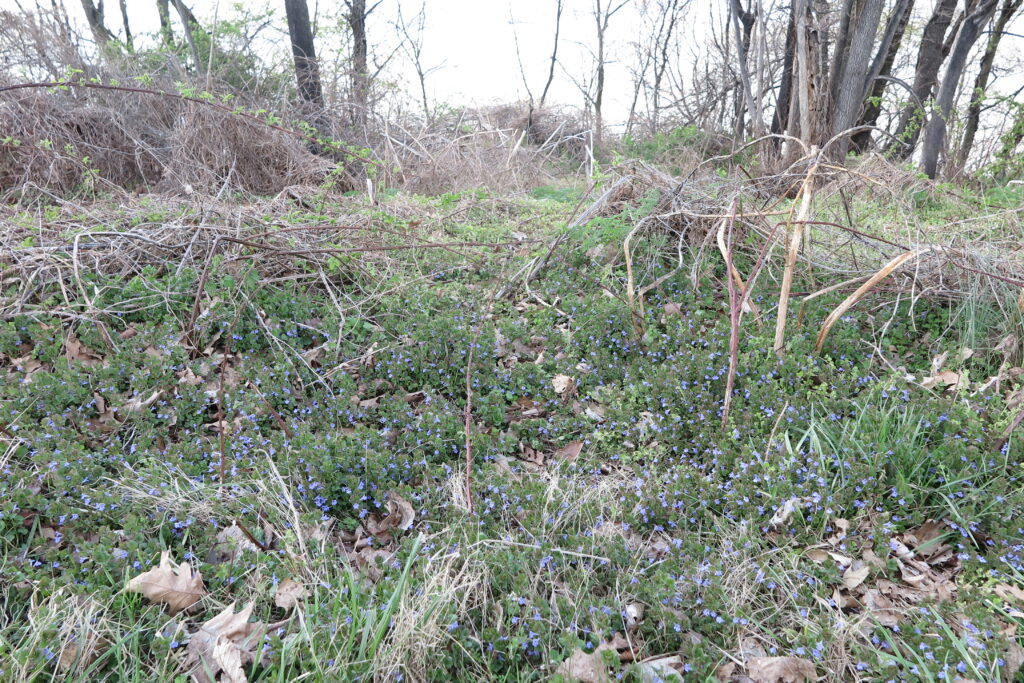
Gardeners sometimes use the plant as a living groundcover in areas where traditional turfgrass struggles. Its compact appearance and dense foliage can create an attractive green layer beneath trees or around garden features. In these situations, understanding proper care helps maintain healthy growth while preventing unwanted spread.
Successful cultivation depends less on intensive maintenance and more on understanding the conditions the plant prefers. When provided with suitable moisture, light, and soil conditions, Creeping Charlie often develops into a vigorous and attractive groundcover capable of persisting for many years.
Creeping Charlie Sunlight and Water Requirements
Light availability plays an important role in the appearance and vigor of Creeping Charlie. The plant performs particularly well in partial shade, where it often develops lush foliage and dense coverage. Areas receiving filtered sunlight throughout the day frequently support some of the healthiest growth.
Despite its preference for partial shade, Creeping Charlie is not restricted to low-light environments. It can also tolerate full sun when adequate moisture is available. In brighter locations, regular watering may become more important to maintain healthy foliage during warmer periods.
Water requirements are generally moderate. The plant prefers soil that remains consistently moist without becoming saturated. Excessively dry conditions may slow development and reduce overall vigor, while prolonged waterlogging can create stress for the root system.
A useful comparison is to think of the plant as favoring conditions similar to those found beneath the edge of a woodland canopy. These environments often provide balanced moisture and moderate light levels without the extremes associated with open, exposed locations.
During extended dry spells, supplemental watering may improve appearance and growth. However, established plants are often surprisingly resilient and capable of recovering when favorable moisture conditions return. This adaptability contributes to the species’ reputation as an easy-to-maintain groundcover.
Best Soil Conditions for Healthy Creeping Charlie Growth
Creeping Charlie grows successfully in a variety of soil types, but certain conditions encourage the healthiest development. Loamy soils rich in organic matter are often considered ideal because they provide a balance between moisture retention and drainage. These soils create an environment where roots can function efficiently throughout the growing season.
Clay soils can also support vigorous growth. Although heavier soils sometimes create challenges for other plants, Creeping Charlie frequently adapts well to these conditions. This ability helps explain its success across many residential landscapes and naturalized areas.
Soil pH requirements are relatively flexible compared to some specialized species. Slightly acidic to neutral soils often provide favorable conditions, although the plant can tolerate moderate variation. This flexibility contributes to its widespread distribution across different regions.
Organic matter further improves growing conditions by increasing moisture retention and supporting soil health. Leaf litter, compost, and naturally decomposing plant material often create conditions that benefit long-term growth. Such environments resemble many of the locations where the species naturally flourishes.
Compared to plants requiring highly specific soil chemistry, Creeping Charlie demonstrates considerable tolerance. This adaptability allows it to establish itself in locations where more demanding species might struggle. As long as drainage remains reasonable and moisture is available, the plant generally performs well.
Long-Term Maintenance and Managing Creeping Charlie Growth
One reason Creeping Charlie remains popular as a groundcover is its relatively low maintenance requirement. Once established, it often needs little attention beyond occasional monitoring. Its dense growth naturally covers bare ground and reduces the need for frequent intervention.
Pruning is rarely necessary for plant health but may be performed to maintain boundaries. Gardeners sometimes trim edges to prevent the plant from extending into unwanted areas. This simple maintenance practice helps preserve a neat appearance while keeping growth under control.
Because the species grows vigorously, periodic monitoring is recommended. Small expansions can often be managed easily when detected early. Allowing unchecked growth for long periods may make future management more difficult, particularly in mixed planting areas.
Fertilization is generally unnecessary in healthy soil. Excessive nutrient application can sometimes encourage overly aggressive growth. In many cases, the plant maintains excellent vigor using naturally available nutrients already present within the soil.
A useful way to view Creeping Charlie care is as guidance rather than intensive maintenance. The plant often succeeds with minimal intervention compared to many ornamental species. Its durability, adaptability, and ability to thrive under a range of conditions have helped make it one of the most persistent and recognizable groundcovers found throughout temperate landscapes.
Popular Searches About Creeping Charlie
Explore Creeping Charlie Guide
Explore More Plants

Support Encounters World
Help support wildlife photography and get behind the scenes discoveries on Patreon.