Is Lesser Celandine Edible? Safety, Historical Uses, and Consumption Risks
Quick Facts
Edibility Status: Generally Not Recommended
Traditional Use: Limited Historical Consumption of Young Plant Parts
Toxic Compounds: Protoanemonin and Related Irritants
Safest Growth Stage: Very Young Spring Growth (Historically Used)
Risk Level: Moderate to High if Misidentified or Improperly Prepared
Foraging Recommendation: Avoid Consumption
Pet Safety: Potentially Toxic if Eaten
Understanding the Edibility of Lesser Celandine
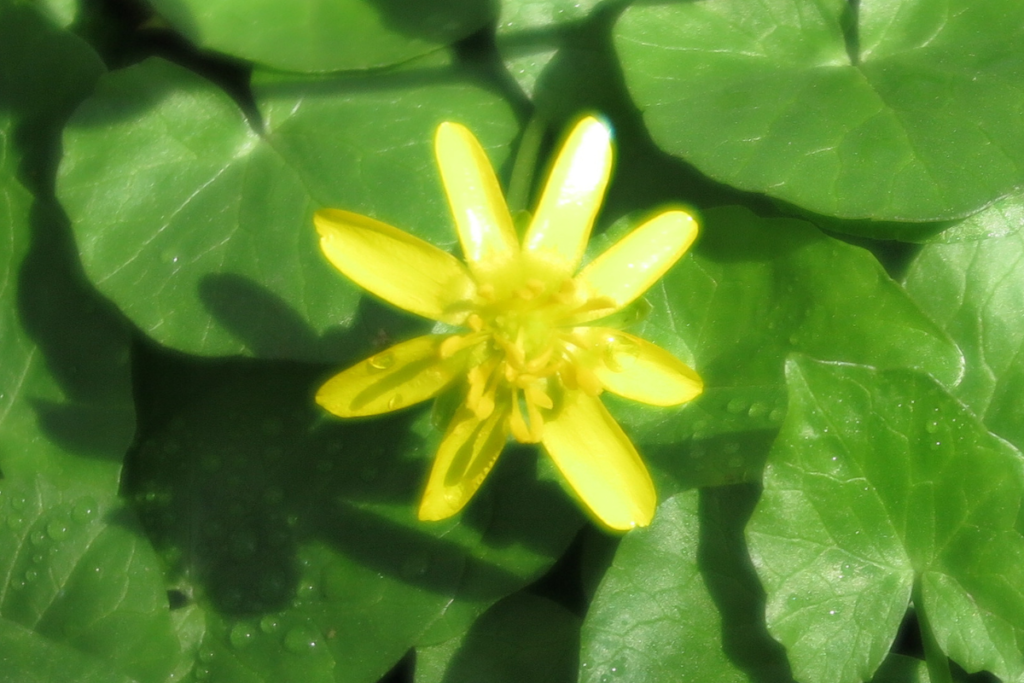
Lesser Celandine (Ficaria verna) is a bright yellow-flowering perennial that often attracts attention from hikers, gardeners, and foragers. Its early spring appearance and lush green leaves may cause some people to wonder whether the plant is edible. Questions about its safety have become increasingly common as interest in wild foods continues to grow.
Native to Europe, western Asia, and North Africa, the species has a long history of interaction with people. Historical records indicate that certain parts of the plant were occasionally used as food or medicine under specific circumstances. These uses were generally limited and often depended on the plant being harvested at a very particular stage of growth.
Unlike many common edible wild greens, Lesser Celandine carries important safety concerns. The plant belongs to the buttercup family, a group that includes several species known for producing irritating compounds. These naturally occurring chemicals serve as a defense mechanism and can create problems when consumed improperly.
Modern sources generally advise caution rather than encouraging consumption. While historical use exists, the potential risks often outweigh any nutritional or culinary benefits. Understanding both the traditional uses and the associated hazards is essential before considering the plant as a food source.
Historical Uses of Lesser Celandine as Food
Historical accounts suggest that young Lesser Celandine leaves were occasionally consumed in parts of Europe. During very early spring, tender foliage was sometimes collected before the plant matured. In certain regions, the leaves were reportedly prepared as a seasonal green when other fresh vegetation remained scarce.
These traditional uses were often highly specific and depended on careful timing. Once the plant progressed beyond its earliest growth stages, concerns about toxicity increased substantially. Foragers who used the species typically harvested only very young leaves and avoided older plant material.
Some historical references describe cooking methods intended to reduce irritation. Similar to how certain wild plants require preparation before consumption, Lesser Celandine was not typically eaten casually or without consideration. Knowledge of proper harvesting and preparation was often passed through local traditions.
A useful comparison is the way some mushrooms are technically edible only after special preparation. While that does not make them universally safe, it illustrates how traditional food use does not automatically indicate low risk. Lesser Celandine occupies a similar category where historical consumption occurred, but caution remained important.
Modern foraging recommendations generally differ from many historical practices. Advances in toxicology and plant science have provided a clearer understanding of the compounds present within the species. As a result, contemporary experts often discourage its use as a food plant.
Why Lesser Celandine Can Be Dangerous to Eat
The primary concern involves compounds that can convert into protoanemonin, a natural irritant found in several members of the buttercup family. These chemicals are especially concentrated in fresh plant tissue and become available when leaves, stems, or roots are damaged. Their presence makes the plant significantly less appealing as a food source.
Consumption of fresh plant material may result in irritation of the mouth, throat, and digestive tract. Symptoms can include burning sensations, nausea, stomach discomfort, or vomiting. The severity of these reactions varies depending on the amount consumed and the sensitivity of the individual.
Mature plants generally present a greater risk than very young spring growth. As the season progresses, concentrations of irritating compounds tend to increase. This change is one reason historical use was often restricted to the earliest stages of development.
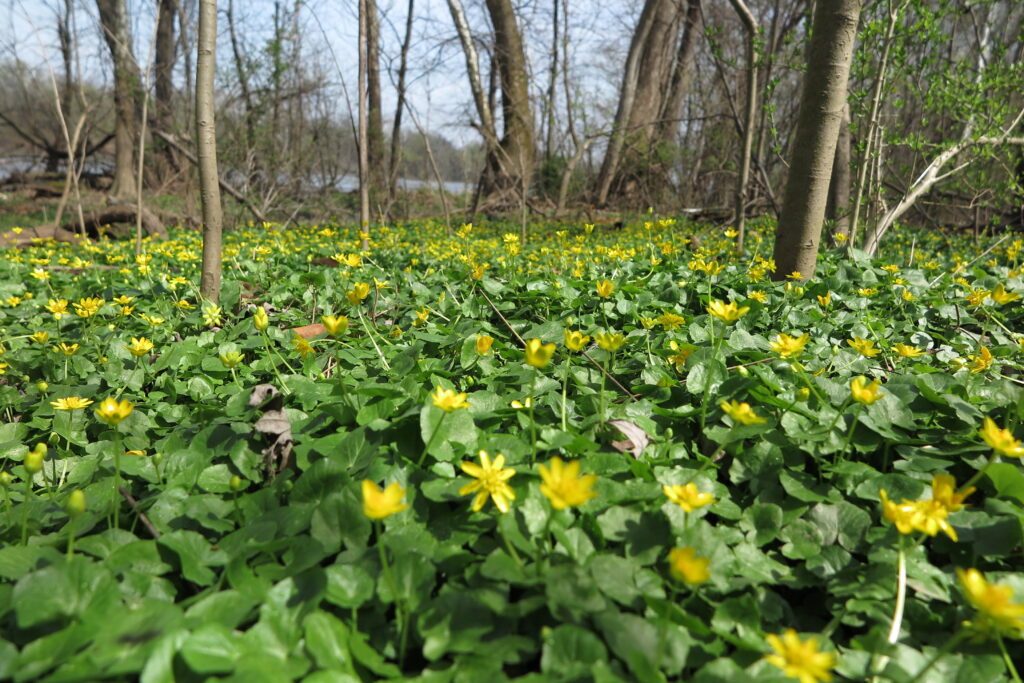
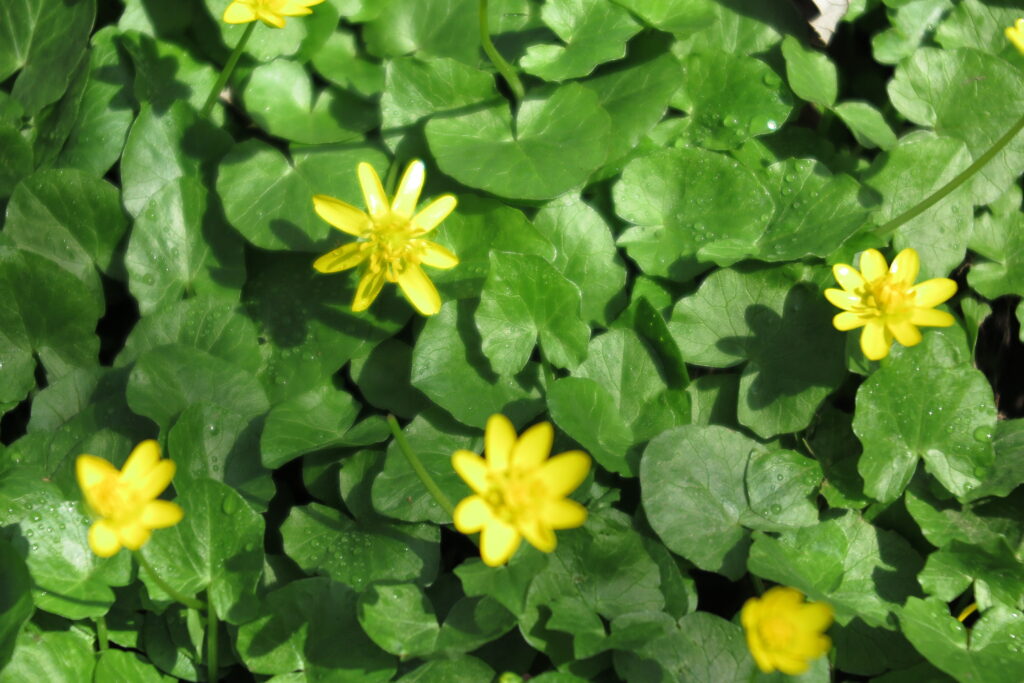
Misidentification creates another important concern. Lesser Celandine is frequently confused with other spring wildflowers, some of which may have entirely different safety profiles. A forager who mistakes one species for another could unintentionally consume a plant that was never intended for food.
The roots and underground structures deserve particular caution. Tubers and other below-ground parts may contain significant concentrations of toxic compounds. Because of these risks, most modern guides recommend avoiding consumption altogether rather than attempting selective harvesting.
Should You Eat Lesser Celandine?
For most people, the safest answer is no. Numerous edible wild greens are available that do not carry the same level of uncertainty or toxicity concerns. When safer alternatives exist, there is little practical reason to choose a plant associated with potential digestive irritation.
Professional foraging instructors and botanical organizations frequently advise against using Lesser Celandine as a food source. This recommendation reflects both the plant’s toxic potential and the availability of better options. Modern guidance tends to prioritize safety over historical curiosity.
A useful comparison would be driving a vehicle with questionable brakes when a reliable car is parked nearby. Even if the risky option might work under ideal circumstances, choosing the safer alternative makes far more sense. The same principle applies when selecting edible plants.
Gardeners, hikers, and nature enthusiasts can still appreciate Lesser Celandine without attempting to consume it. Its bright flowers, distinctive foliage, and ecological significance make it an interesting species to observe and study. Identification skills are often more valuable than culinary experimentation.
Although historical records document limited use of very young plant material, modern experts generally do not recommend eating Lesser Celandine. The presence of irritating compounds, increasing toxicity with maturity, and risk of adverse reactions make it a poor choice for foraging. For those seeking edible wild plants, safer and more widely accepted alternatives are available.
Popular Searches About Lesser Celandine
Explore Lesser Celandine Guide
Explore More Plants

Support Encounters World
Help support wildlife photography and get behind the scenes discoveries on Patreon.