Lesser Celandine Toxicity Guide: Is It Poisonous to Humans, Pets, and Wildlife?
Quick Facts
Toxicity Level: Moderately Toxic
Toxic Parts: Entire Plant (Especially Mature Growth)
Primary Toxic Compounds: Protoanemonin and Related Irritants
Risk to Humans: Skin Irritation and Digestive Distress
Risk to Pets: Potentially Toxic if Consumed
Risk to Livestock: Can Cause Poisoning in Large Amounts
Safe for Consumption: Not Recommended
Understanding Lesser Celandine Toxicity
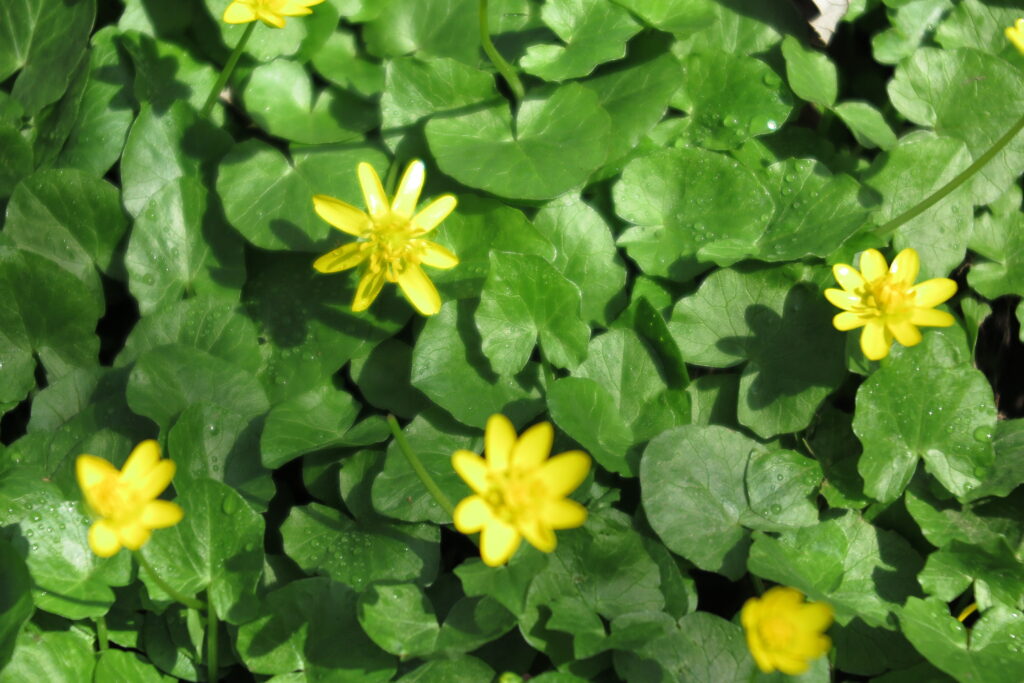
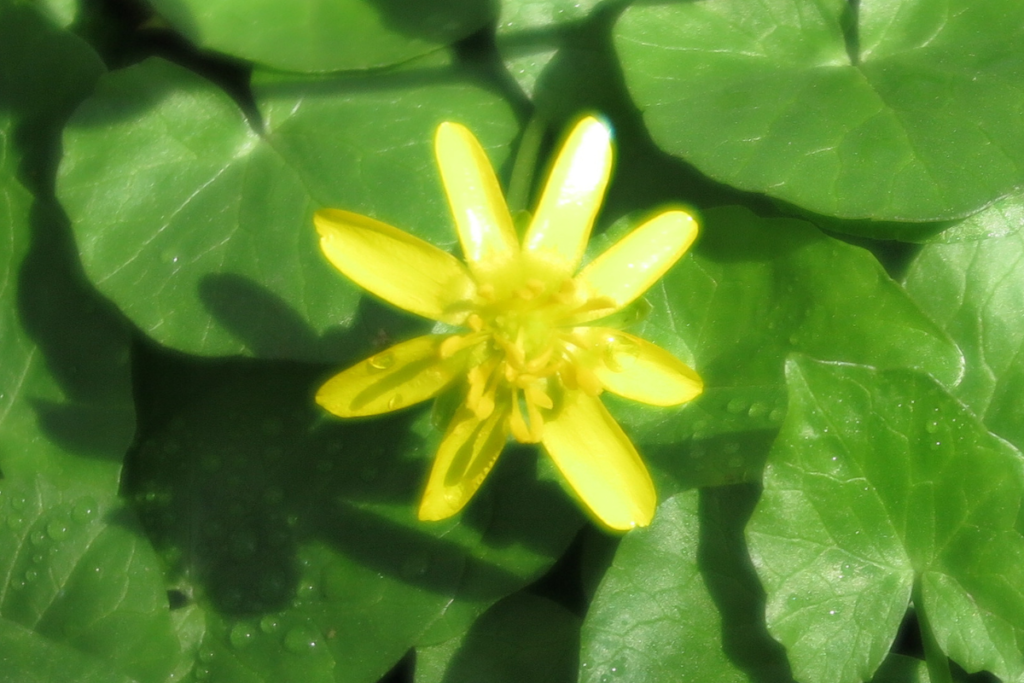
Lesser Celandine (Ficaria verna) is widely recognized for its bright yellow flowers and glossy green leaves, but its attractive appearance can sometimes hide important safety concerns. Like several members of the buttercup family, this species contains naturally occurring compounds that may cause irritation or toxicity when handled improperly or consumed. Understanding these risks is important for gardeners, hikers, pet owners, and anyone spending time around the plant.
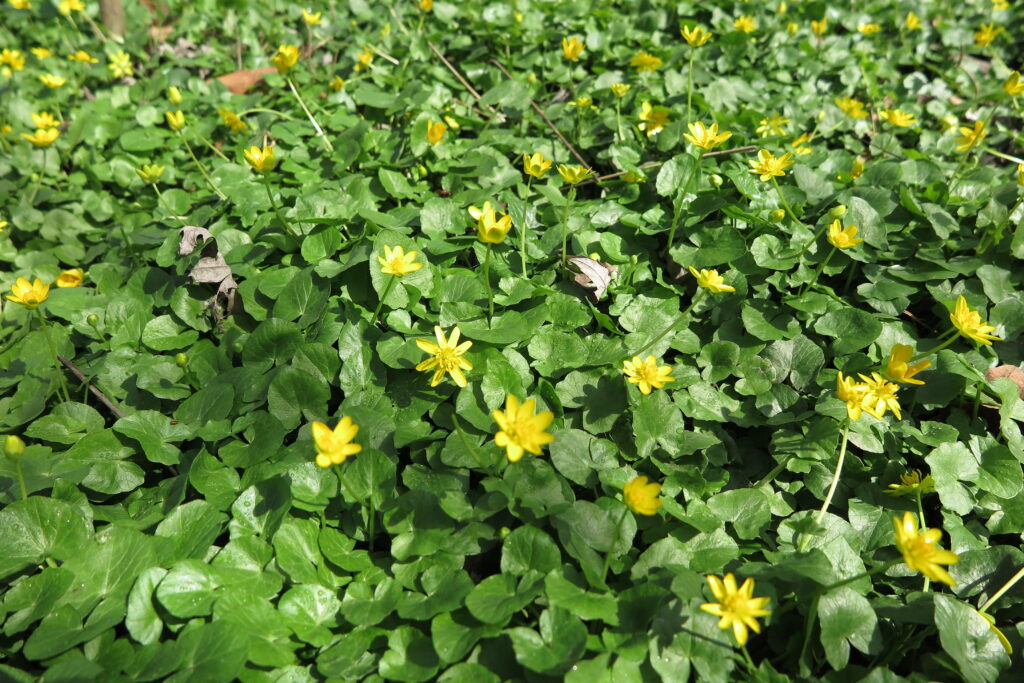
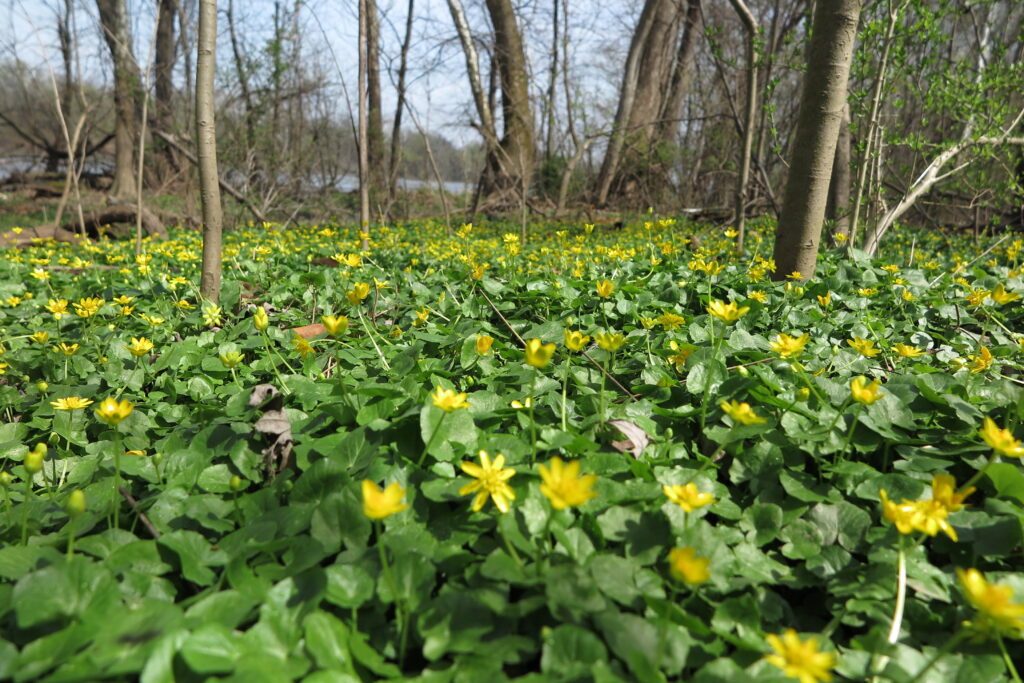
Native to Europe, western Asia, and North Africa, Lesser Celandine has spread into many regions where it now grows outside its historical range. As the plant becomes more common, accidental contact and curiosity about its safety have increased. People often assume that a colorful wildflower is harmless, yet this species deserves a closer look.
The level of toxicity can vary depending on the plant’s growth stage and condition. Fresh plant material generally contains higher concentrations of irritating compounds than dried material. This distinction explains why handling or consuming living plants presents greater concern than encountering old dried stems.
Although severe poisoning is relatively uncommon, the species should not be considered safe for casual consumption. Awareness and proper identification help reduce the likelihood of unpleasant reactions. For most people, simple avoidance is the easiest and safest approach.
Toxic Compounds Found in Lesser Celandine
The primary concern associated with Lesser Celandine involves compounds that can break down into protoanemonin, a chemical irritant found in various members of the buttercup family. This substance serves as a natural defense mechanism that discourages animals from feeding extensively on the plant. When plant tissues are damaged, these compounds become more readily available.
Protoanemonin is known for its irritating effects on skin and mucous membranes. Contact with crushed leaves or stems may cause discomfort in sensitive individuals. The reaction is often compared to mild exposure to a skin irritant rather than a severe chemical burn, though susceptibility varies from person to person.
Ingesting fresh plant material can create additional concerns. The digestive system is particularly sensitive to these compounds, and consumption may result in irritation of the mouth, throat, stomach, or intestines. The severity depends on the amount consumed and the individual’s size and sensitivity.
A useful comparison is the way some ornamental plants produce defensive chemicals to discourage herbivores. Lesser Celandine follows a similar strategy, using naturally occurring compounds to reduce feeding pressure. While these chemicals benefit the plant, they can create health concerns for people and animals that consume it.
Fortunately, accidental exposure rarely leads to severe outcomes when only small amounts are involved. Most concerns arise from repeated contact, intentional consumption, or ingestion of larger quantities. Understanding the role of these toxic compounds helps explain why caution is recommended around the species.
Risks to Humans, Pets, and Livestock
For humans, the most common concerns involve skin irritation and digestive discomfort. Handling the plant without gloves may occasionally cause redness or irritation, particularly when sap contacts sensitive skin. Individuals with existing skin sensitivities may experience stronger reactions than others.
Accidental ingestion can produce symptoms such as mouth irritation, nausea, stomach discomfort, or vomiting. Children may be at greater risk because they are more likely to place unfamiliar plant material in their mouths. For this reason, proper identification and supervision are important in areas where the plant grows.
Pets such as dogs and cats may also experience adverse effects if they consume portions of the plant. Symptoms can include drooling, vomiting, digestive upset, or oral irritation. Although many animals avoid the plant due to its unpleasant taste, curious pets occasionally sample unfamiliar vegetation.
Livestock generally avoid Lesser Celandine when sufficient forage is available. However, grazing animals may consume it if food resources are limited or if large infestations dominate an area. Similar to many other buttercup relatives, excessive consumption may result in digestive disturbances and signs of poisoning.
The overall risk level depends heavily on exposure amount. Brief contact with a plant during a walk is unlikely to cause significant problems for most individuals. Greater concerns arise when the plant is handled extensively or consumed by people or animals.
Safety Tips and Toxicity Prevention Measures
The simplest way to avoid toxicity issues is proper identification. Recognizing Lesser Celandine allows individuals to make informed decisions about handling or removing the plant. Knowledge of its appearance is particularly valuable in areas where it grows alongside edible or non-toxic species.
When removing infestations, gloves are recommended to minimize skin exposure. Long sleeves and basic gardening precautions can provide additional protection, especially during large removal projects. Washing hands after handling the plant is also a sensible practice.
Pet owners should discourage animals from chewing unfamiliar vegetation. While many pets naturally avoid toxic plants, curiosity can occasionally override caution. Monitoring outdoor activity in areas containing Lesser Celandine reduces the likelihood of accidental ingestion.
Gardeners and land managers should dispose of removed plant material responsibly. Avoiding unnecessary contact and preventing accidental spread are both important considerations. Bagging removed plants often provides a practical solution during control efforts.
Although Lesser Celandine is admired for its colorful spring display, it should not be treated as an edible or harmless wildflower. Its toxic compounds can cause irritation in humans, pets, and livestock when exposure occurs. Through proper identification, careful handling, and basic safety measures, most toxicity risks can be easily avoided while still appreciating the plant’s role in the landscape.
Popular Searches About Lesser Celandine
Explore Lesser Celandine Guide
Explore More Plants

Support Encounters World
Help support wildlife photography and get behind the scenes discoveries on Patreon.