Lesser Celandine Life Cycle: From Spring Emergence to Seasonal Dormancy
Quick Facts
Life Cycle Type: Perennial
Emergence Period: Late Winter to Early Spring
Flowering Season: Early to Mid-Spring
Reproduction Methods: Seeds, Tubers, and Bulbils
Active Growth Period: Late Winter Through Spring
Dormancy Begins: Late Spring to Early Summer
Underground Survival Structures: Tubers and Root Crowns
Understanding the Lesser Celandine Life Cycle
Lesser Celandine (Ficaria verna) follows a life cycle that differs significantly from many common garden plants and wildflowers. Rather than remaining visible throughout the growing season, it concentrates nearly all of its annual activity into a relatively short period during late winter and spring. This strategy allows the plant to take advantage of seasonal conditions before many neighboring species become fully active.
Native to Europe, western Asia, and North Africa, Lesser Celandine has carried this same life cycle pattern into regions where it has been introduced. Whether growing in its native range or elsewhere, the plant follows a predictable annual sequence that repeats year after year. Its timing is one reason the species has become so successful across many temperate landscapes.
Unlike summer-blooming plants that spend months developing above ground, Lesser Celandine completes much of its yearly activity within a matter of weeks. Leaves, flowers, and reproductive structures all appear during a narrow seasonal window. By the time summer arrives, most evidence of the plant has already disappeared from the surface.
This condensed schedule often surprises people encountering the species for the first time. Areas covered with flowers during spring may appear completely empty a few months later. Understanding the life cycle helps explain why the plant seems to appear suddenly and vanish just as quickly.
Lesser Celandine Emergence and Early Growth Stages
The life cycle begins beneath the soil surface where underground structures remain dormant during unfavorable periods. As winter gradually weakens and soil temperatures begin to rise, stored energy supports the production of new shoots. These early growth stages often occur while surrounding vegetation remains largely inactive.
Fresh leaves emerge close to the ground and rapidly expand into small clusters of foliage. During this stage, the plant focuses on gathering energy through photosynthesis and establishing its presence before larger plants begin competing for sunlight. This early start gives Lesser Celandine a significant seasonal advantage.
Growth during this period is often remarkably fast. Areas that appeared dormant only a short time earlier can quickly develop noticeable patches of green foliage. Compared to many woodland wildflowers that emerge later in the season, Lesser Celandine is frequently among the first species to become active.
As leaves mature, the plant continues accumulating resources needed for flowering and reproduction. The foliage serves as the foundation for the next phase of the life cycle. By the time spring conditions become fully established, colonies are often well-developed and preparing to bloom.
This emergence stage is critical because it determines the plant’s ability to complete the remainder of its annual cycle. Early access to sunlight and nutrients allows it to maximize productivity before environmental conditions begin changing later in the season.
Flowering and Reproductive Stages of Lesser Celandine
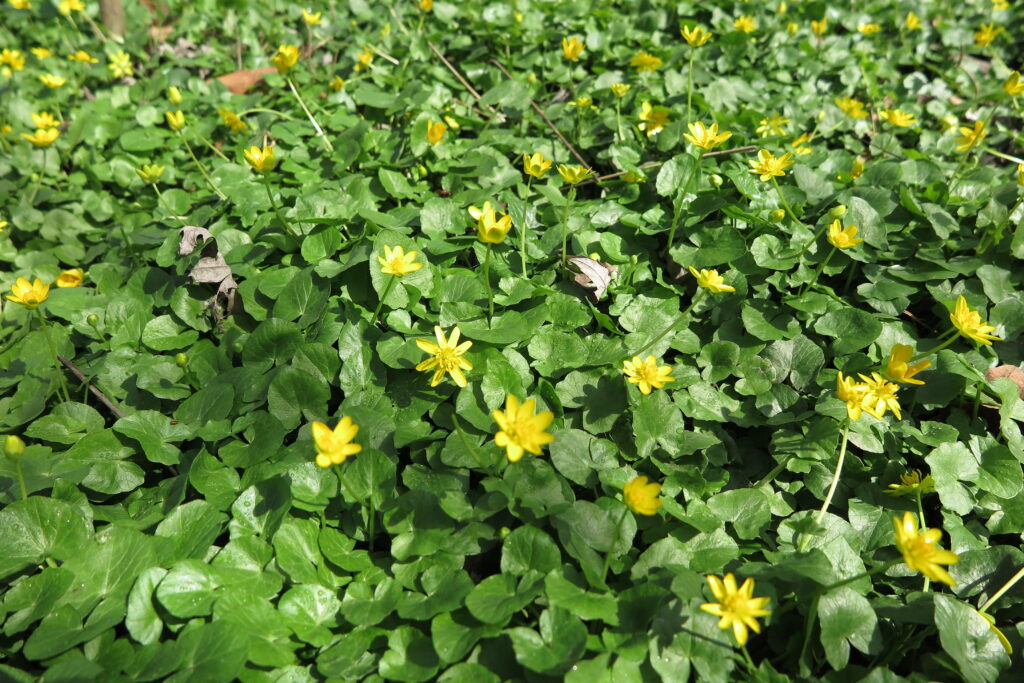
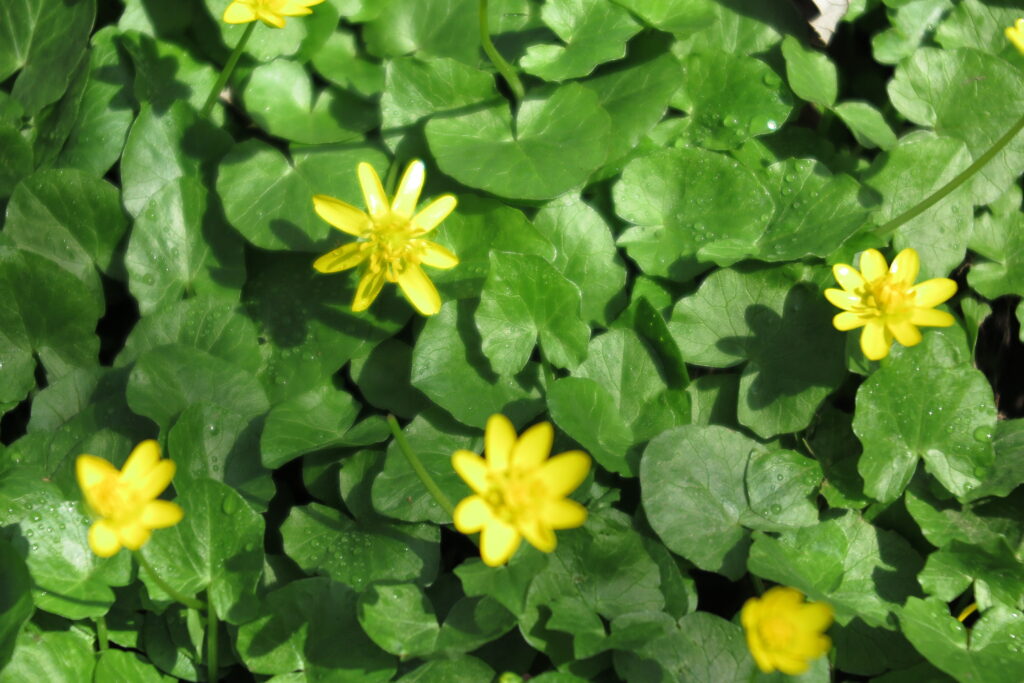
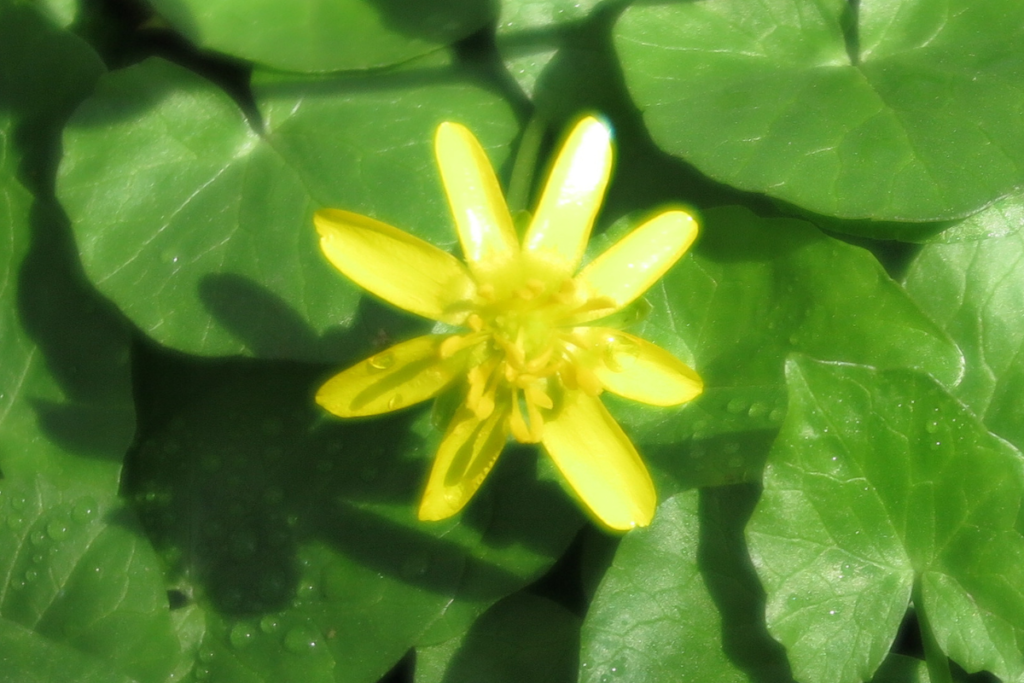
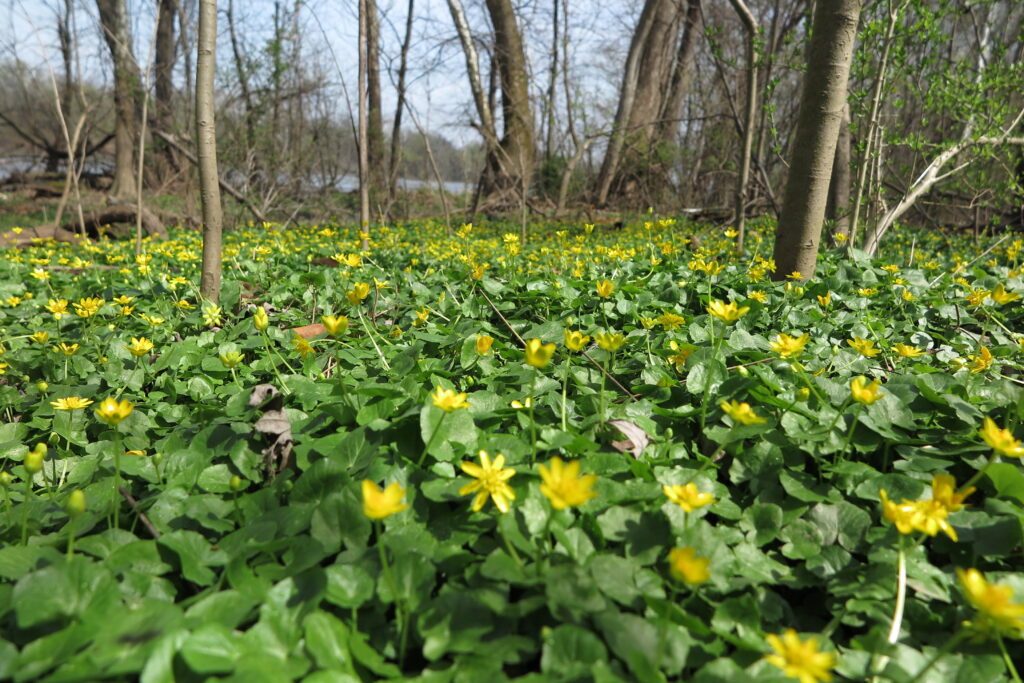
Once sufficient energy has been accumulated, Lesser Celandine enters its flowering phase. Bright yellow blossoms develop above the foliage and create the displays most people associate with the species. During this stage, colonies often reach their highest visibility and become easily recognizable across the landscape.
The flowers attract a variety of pollinating insects that assist with seed production. Pollination enables genetic exchange between plants and contributes to the formation of reproductive structures. Although seeds play a role in reproduction, they represent only part of the plant’s overall strategy.
Additional reproductive structures known as bulbils frequently develop alongside other methods of propagation. These small structures can separate from the parent plant and establish new individuals. Their presence increases the likelihood that colonies will persist and expand over time.
Underground tubers provide another highly effective means of reproduction. A useful comparison is a network of hidden storage units beneath the soil. Even if visible growth is removed, these structures may survive and generate new plants during future growing seasons.
The flowering and reproductive period represents the most biologically active stage of the life cycle. Energy gathered during emergence is invested into producing flowers, seeds, bulbils, and underground reserves. Together, these processes ensure the plant’s continued survival and expansion.
Dormancy and Underground Survival Through the Year
As spring transitions toward summer, Lesser Celandine begins preparing for dormancy. Leaves gradually lose their vibrant appearance and start to decline. Flowers fade, reproductive structures mature, and above-ground growth slowly disappears from view.
By early summer, most colonies have completed this transformation. Areas once covered with foliage and flowers may appear completely bare or occupied by other vegetation. To casual observers, it can seem as though the plant has vanished entirely.
In reality, the species remains alive beneath the soil surface. Underground tubers and root structures continue storing resources collected during the active season. These reserves function much like a savings account, providing the energy needed for future growth.
A useful comparison is a hibernating animal that spends part of the year hidden from view while remaining very much alive. Lesser Celandine adopts a similar strategy by retreating underground until favorable conditions return. This adaptation helps the plant avoid environmental stresses associated with warmer months.
When late winter arrives again, the cycle begins anew. Dormant structures produce fresh shoots, leaves emerge, and flowering follows shortly afterward. This repeating sequence of emergence, flowering, reproduction, and dormancy forms the foundation of the Lesser Celandine life cycle and helps explain the species’ long-term persistence across much of its range.
Popular Searches About Lesser Celandine
Explore Lesser Celandine Guide
Explore More Plants

Support Encounters World
Help support wildlife photography and get behind the scenes discoveries on Patreon.