Lesser Celandine Removal Guide: How to Control, Eliminate, and Prevent Regrowth
Quick Facts
Removal Difficulty: Moderate to Difficult
Best Removal Time: Late Winter to Early Spring
Primary Control Method: Manual Removal and Targeted Herbicide Treatment
Regrowth Potential: High if Tubers Remain
Underground Structures: Tubers and Bulbils
Disposal Recommendation: Bag and Remove from Site
Long-Term Monitoring: Recommended for Multiple Years
Understanding the Need for Lesser Celandine Removal
Lesser Celandine (Ficaria verna) is a spring-flowering perennial that has become a management concern in many regions outside its native range. While its bright yellow flowers can appear attractive, the plant is capable of forming dense colonies that gradually replace native vegetation. As populations expand, removal often becomes necessary to protect ecological diversity and prevent further spread.
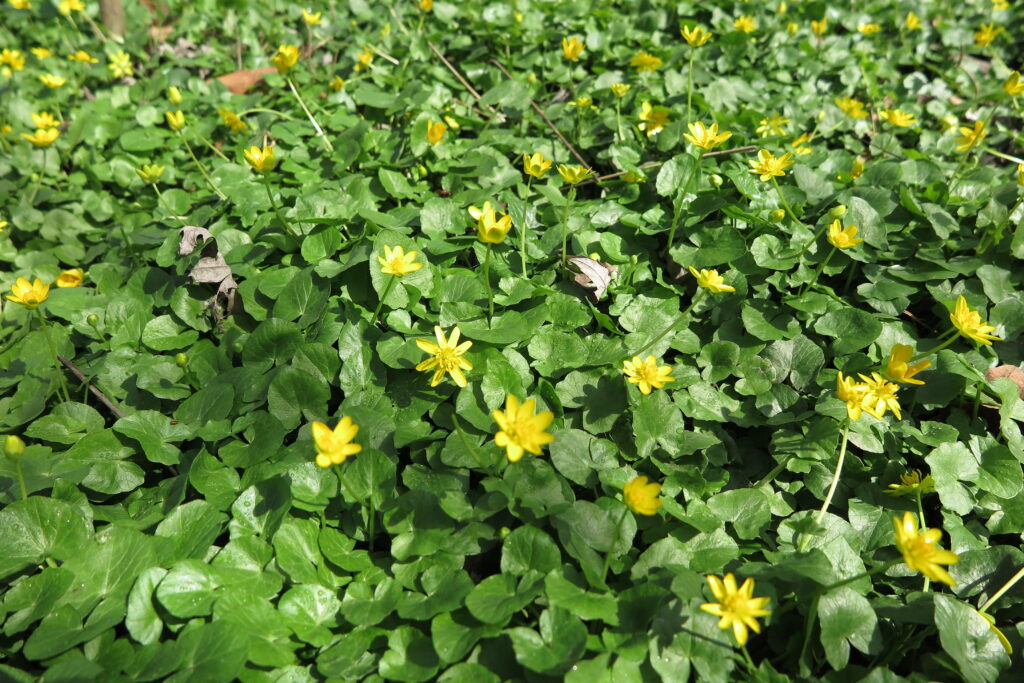
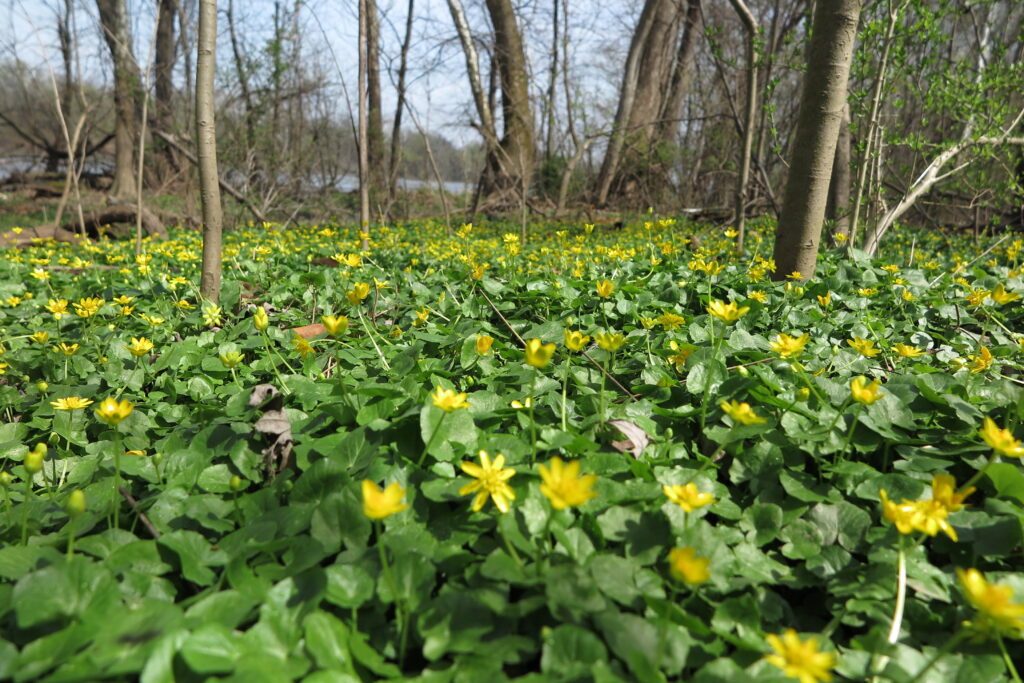
Many property owners first notice the species when large patches emerge in early spring. What may begin as a small cluster can eventually develop into a broad carpet covering significant portions of a landscape. Early intervention is usually far easier than attempting to control a long-established infestation.
The plant presents unique challenges because visible foliage represents only part of the population. Beneath the soil surface, specialized structures help the colony survive and return year after year. Successful removal requires addressing both the above-ground growth and the hidden components that support future regeneration.
Removal efforts vary depending on infestation size, location, and management goals. A small patch in a garden requires a different approach than a large population within a woodland preserve. Understanding the plant’s persistence strategies helps determine the most effective control plan.
Identifying Lesser Celandine Before Beginning Control Efforts
Accurate identification should always be the first step before removal begins. Several native spring wildflowers produce yellow blooms and may superficially resemble Lesser Celandine from a distance. Removing the wrong species can unintentionally harm beneficial native plants.
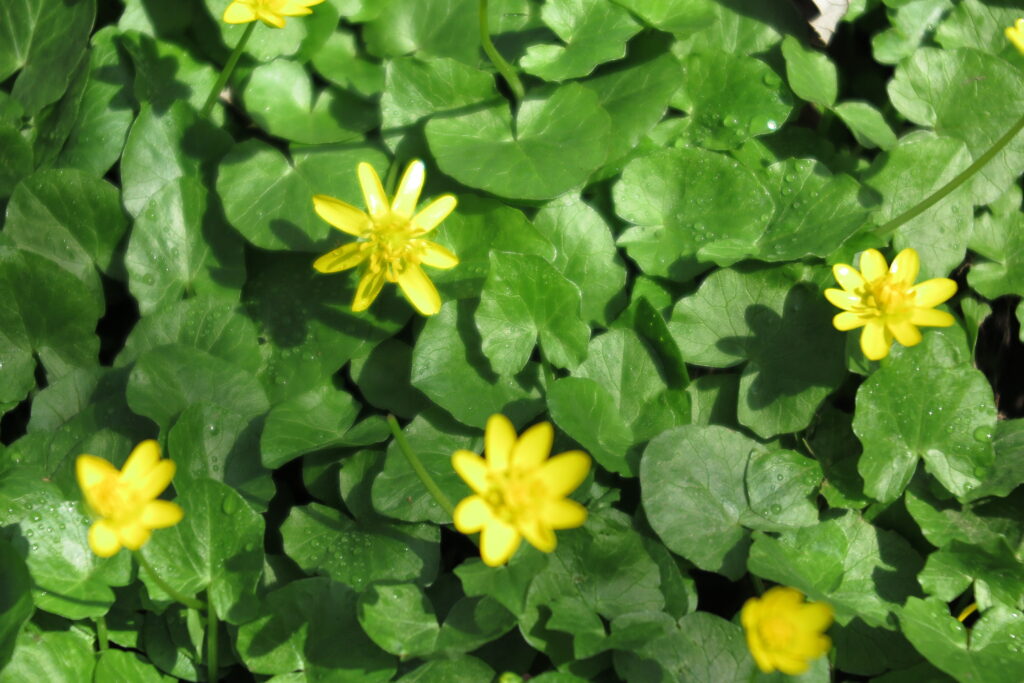
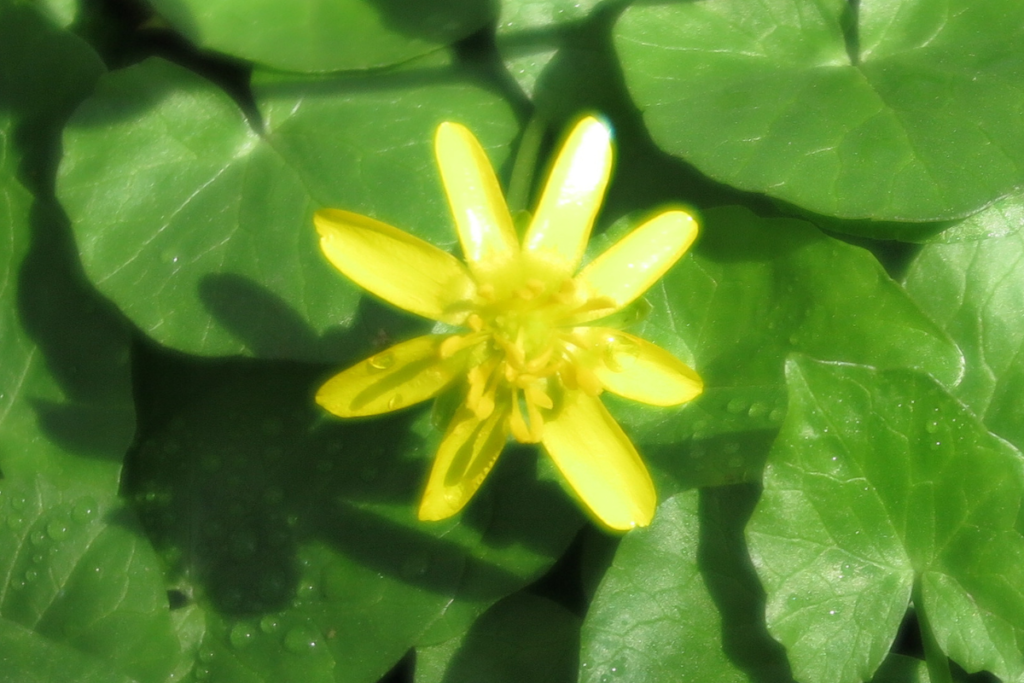
The plant is recognized by its glossy, heart-shaped to kidney-shaped leaves and bright yellow flowers containing numerous narrow petals. Colonies often form dense green mats across the ground during early spring. These combined characteristics help separate it from many native wildflowers.
One of the most common identification mistakes involves confusing Lesser Celandine with Marsh Marigold. Although both species display yellow flowers, Marsh Marigold generally produces larger blooms with broader petal-like structures and a more upright appearance. Careful observation of flower shape and leaf texture can help avoid confusion.
Property owners should inspect the full extent of an infestation before selecting a removal strategy. Small patches may be suitable for manual control, while extensive populations often require a more comprehensive approach. Mapping colony boundaries early can improve long-term management success.
Effective Lesser Celandine Removal Methods
Manual removal is often the preferred option for small infestations where individual plants can be carefully extracted. Digging must be thorough because underground tubers can remain hidden beneath the surface. Leaving even a portion of these structures behind may allow the colony to re-establish.
A useful comparison is removing pieces from a broken puzzle. Missing just one section leaves part of the original image intact. Similarly, overlooked tubers may generate new growth even after most visible plants have been removed.
Larger infestations frequently require additional control measures. Targeted herbicide applications are often most effective during the plant’s active growth period in late winter or early spring. Treatment timing is important because foliage must be present for herbicides to reach underground structures.
Repeated management efforts are commonly necessary. A single treatment rarely eliminates extensive colonies, especially when reproductive structures remain in the soil. Follow-up inspections help identify surviving plants before they regain their former coverage.
All removed material should be handled carefully. Plants, tubers, and bulbils should be collected and disposed of properly rather than left on the ground. Improper disposal can unintentionally spread the species to new locations.
Preventing Regrowth and Long-Term Management Success
Long-term control extends beyond initial removal. Lesser Celandine is capable of returning from overlooked tubers, surviving bulbils, or newly established plants arriving from nearby populations. Continued monitoring is therefore essential after treatment has been completed.
The first few years following removal are often the most important. Spring inspections should be conducted annually to identify any emerging growth before colonies become re-established. Small regrowth patches are considerably easier to manage than mature infestations.
Restoration can also play an important role in preventing reinvasion. Native wildflowers, sedges, and other desirable vegetation help occupy available space once Lesser Celandine has been removed. A healthy plant community can reduce opportunities for invasive species to regain a foothold.
Land managers frequently compare invasive plant control to routine maintenance rather than a one-time project. Success is typically achieved through persistence, observation, and timely action. Areas that receive regular monitoring often experience far better outcomes than locations treated once and then ignored.
Although removal requires effort, controlling Lesser Celandine can protect native plant diversity and improve ecosystem health. Combining accurate identification, thorough removal techniques, proper disposal practices, and long-term monitoring provides the best opportunity for lasting success. With patience and consistent management, even challenging infestations can be significantly reduced over time.
Popular Searches About Lesser Celandine
Explore Lesser Celandine Guide
Explore More Plants

Support Encounters World
Help support wildlife photography and get behind the scenes discoveries on Patreon.