Lesser Celandine Native Alternatives Guide: Best Native Plants to Replace Lesser Celandine
Quick Facts
Replacement Purpose: Native Alternative to an Invasive Species
Best Alternative Type: Native Spring Wildflowers
Flower Color Matches: Yellow, White, Pink, and Blue Species Available
Pollinator Value: High
Wildlife Benefits: Excellent for Native Insects and Pollinators
Maintenance Level: Low to Moderate
Recommended Region: Match Species to Local Native Range
Why Choose Native Alternatives to Lesser Celandine?
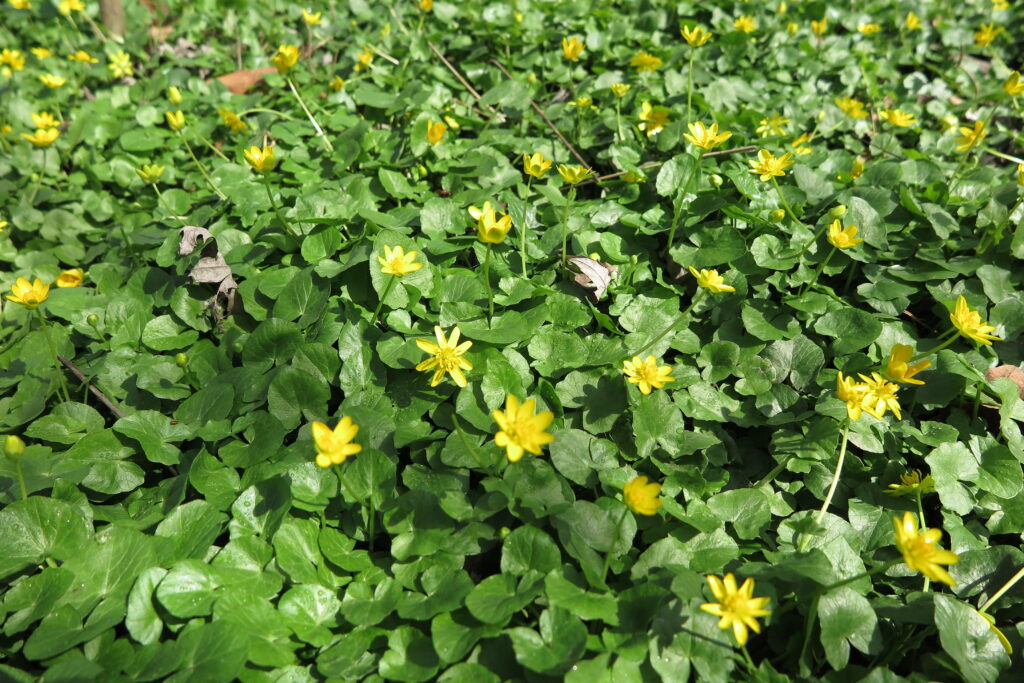
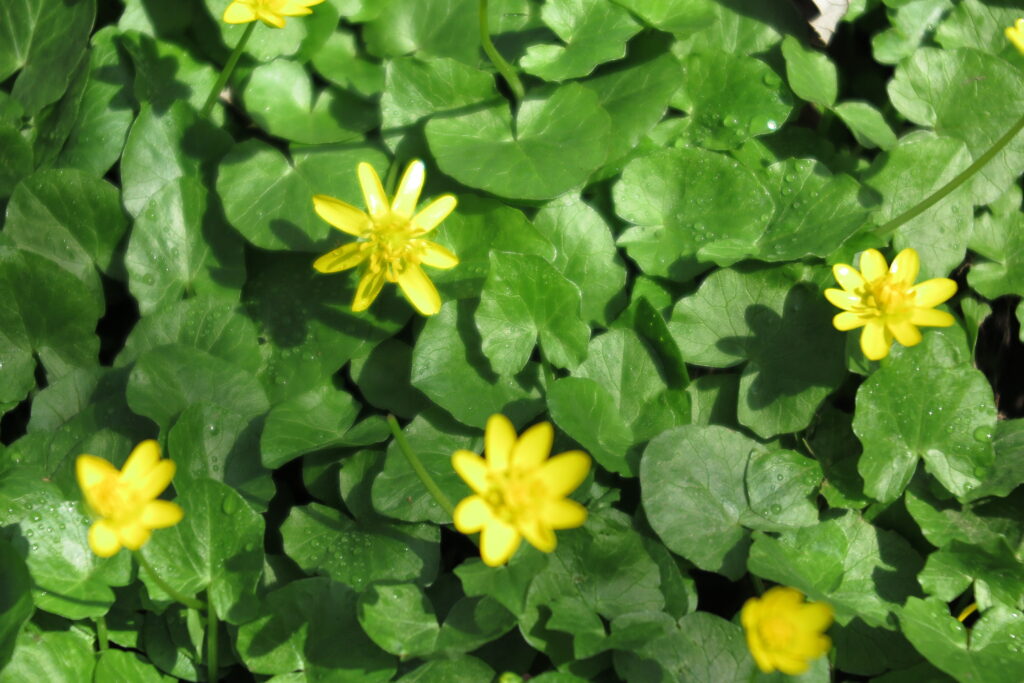
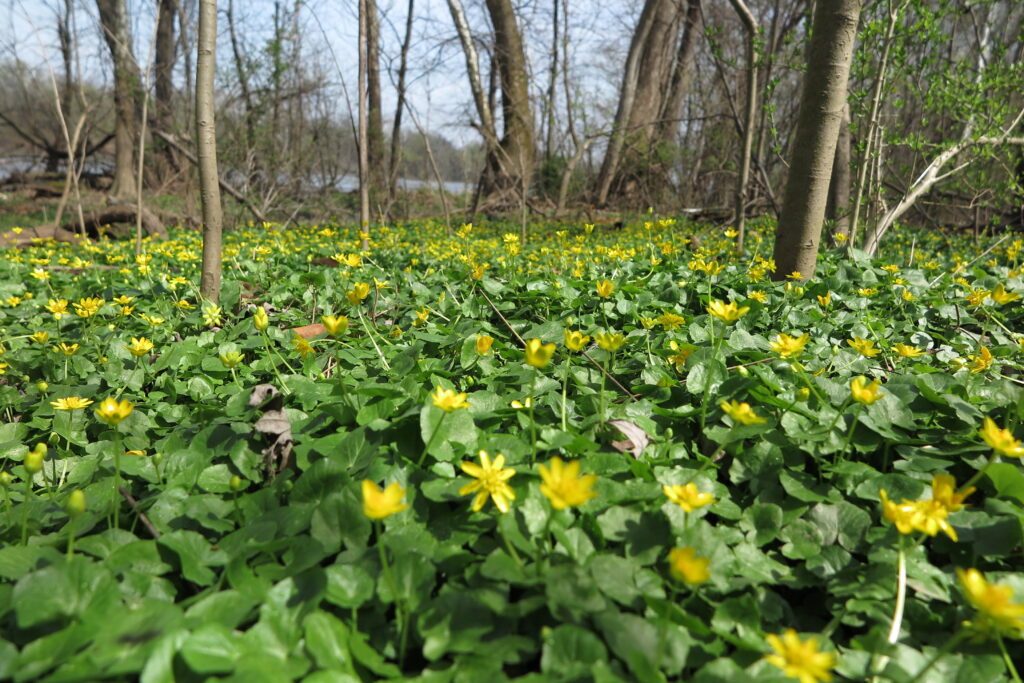
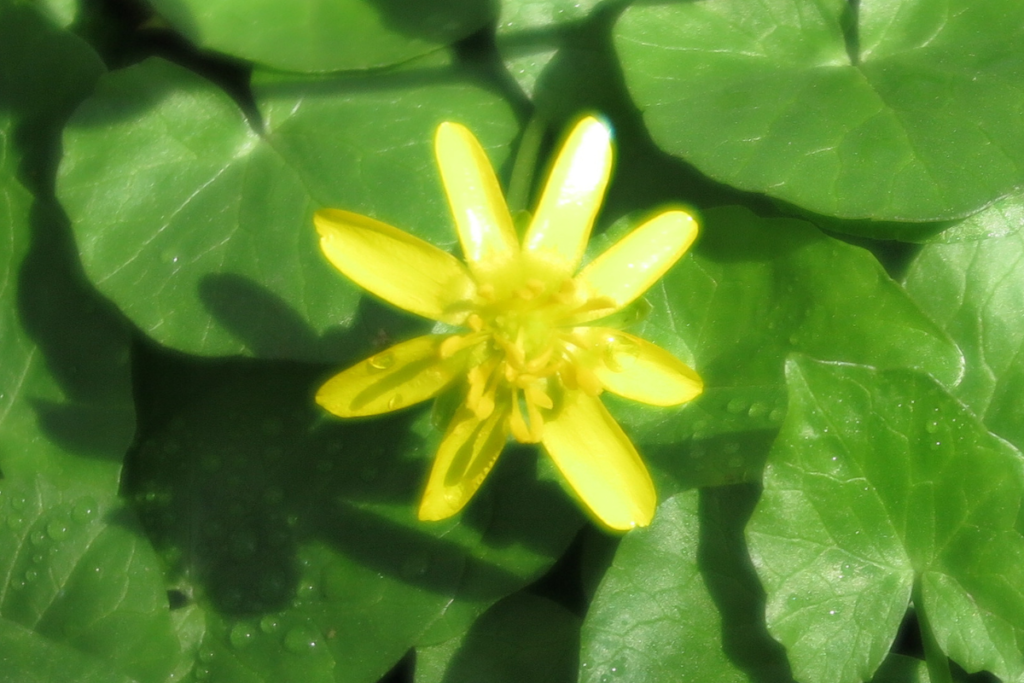
Lesser Celandine (Ficaria verna) is admired for its bright yellow flowers and early spring appearance, but many gardeners and land managers seek alternatives because of its invasive tendencies. In regions where the species has spread beyond cultivation, replacing it with native plants can help support healthier ecosystems while still providing seasonal color and visual interest. Native species often deliver the same beauty without the ecological concerns.
Many native wildflowers evolved alongside local insects, birds, and other wildlife over thousands of years. As a result, they frequently provide food sources, shelter, and ecological benefits that non-native plants cannot fully replicate. Replacing Lesser Celandine with native alternatives can contribute to stronger and more resilient natural communities.
A common misconception is that removing an invasive species means sacrificing attractive flowers. In reality, many native plants offer equally impressive displays during spring. Some produce bright yellow blooms similar to Lesser Celandine, while others introduce colors and textures that create even greater seasonal diversity.
Choosing native replacements is similar to restoring a historic building with original materials instead of modern substitutes. The landscape retains its beauty while better reflecting the natural character of the region. This approach benefits both wildlife and long-term ecological health.
Native Wildflowers That Resemble Lesser Celandine
One of the most popular alternatives is Marsh Marigold (Caltha palustris). This native spring wildflower produces vibrant yellow flowers that immediately remind many people of Lesser Celandine. Unlike the invasive species, Marsh Marigold grows in clumps rather than spreading aggressively across large areas.
Another excellent option is Eastern Spring Beauty (Claytonia virginica). Although its flowers are pink and white rather than yellow, it emerges during the same season and creates beautiful early-spring displays. The delicate blooms provide visual interest while supporting native pollinators.
Bloodroot (Sanguinaria canadensis) offers another attractive replacement. Its bright white flowers appear early in the season and often bloom before surrounding vegetation becomes dense. The species contributes a distinctly woodland character that fits naturally into native plant gardens.
Yellow Trout Lily (Erythronium americanum) is particularly appealing for gardeners seeking yellow flowers. Its nodding blooms and mottled leaves create a unique appearance that differs from Lesser Celandine while still providing vibrant spring color. Many native plant enthusiasts consider it one of the most beautiful woodland wildflowers.
These alternatives demonstrate that replacing Lesser Celandine does not require abandoning spring flowers. Instead, gardeners gain access to a wider variety of colors, forms, and ecological benefits while reducing the risk of invasive spread.
Best Native Plants for Pollinators and Wildlife
Native alternatives often provide significantly greater ecological value than Lesser Celandine. Many spring pollinators emerge during a period when floral resources remain limited. Native wildflowers help fill this seasonal gap by supplying nectar and pollen precisely when insects need them most.
Virginia Bluebells (Mertensia virginica) are particularly valuable in this role. Their clusters of blue flowers attract bees, butterflies, and other pollinators during early spring. The species also adds a striking splash of color rarely found in invasive ground covers.
Wild Ginger (Asarum canadense) offers a different type of benefit. While its flowers are less conspicuous, its foliage creates attractive ground cover that supports native woodland ecosystems. The broad leaves help stabilize soil while contributing to a natural forest-floor appearance.
Dutchman’s Breeches (Dicentra cucullaria) is another excellent woodland choice. Its uniquely shaped flowers resemble tiny pairs of upside-down pants hanging from delicate stems. Beyond their unusual appearance, these blooms provide resources for specialized pollinators during spring.
A useful comparison is the difference between a decorative display and a functioning ecosystem. Lesser Celandine often acts primarily as a visual feature, while native alternatives actively support local wildlife. By selecting native species, gardeners create landscapes that are both beautiful and ecologically productive.
Choosing the Right Native Alternative for Your Landscape
The best replacement depends on the specific conditions of the planting area. Some native species prefer moist soils, while others perform better in well-drained woodland settings. Understanding site conditions helps ensure long-term success and reduces future maintenance requirements.
Gardeners seeking a flower similar in color to Lesser Celandine may find Marsh Marigold or Yellow Trout Lily particularly appealing. Those interested in expanding seasonal diversity may prefer combinations of Spring Beauty, Virginia Bluebells, and Bloodroot. Mixing several species often produces a more natural and visually dynamic display.
A layered planting approach can be especially effective. Rather than relying on a single species, multiple native wildflowers can bloom at slightly different times throughout spring. This strategy extends seasonal interest while providing continuous support for pollinators and other wildlife.
Native plant nurseries and conservation organizations are often excellent resources when selecting replacements. They can recommend species adapted to local growing conditions and regional ecosystems. Using locally sourced native plants also increases the likelihood of successful establishment.
Replacing Lesser Celandine with native alternatives is one of the most effective ways to improve ecological value while maintaining a beautiful spring landscape. From the bright yellow flowers of Marsh Marigold to the delicate blooms of Spring Beauty and Bloodroot, native species offer abundant options. These plants provide color, support wildlife, and help restore the natural diversity that invasive species can often reduce.
Popular Searches About Lesser Celandine
Explore Lesser Celandine Guide
Explore More Plants

Support Encounters World
Help support wildlife photography and get behind the scenes discoveries on Patreon.