Dandelion Plant Overview: Identification, Characteristics, and Appearance
Quick Facts
Scientific Name: Taraxacum officinale
Common Name: Dandelion
Plant Type: Perennial
Average Height: 2–18 inches (5–45 cm)
Spread Width: 6–18 inches (15–45 cm)
Leaf Type: Broadleaf
Growth Form: Clumping
Bloom Color: Bright Yellow
Native Range: Europe and Asia
Toxicity: Non-toxic to humans & pets
Location Observed: Pennsylvania, USA
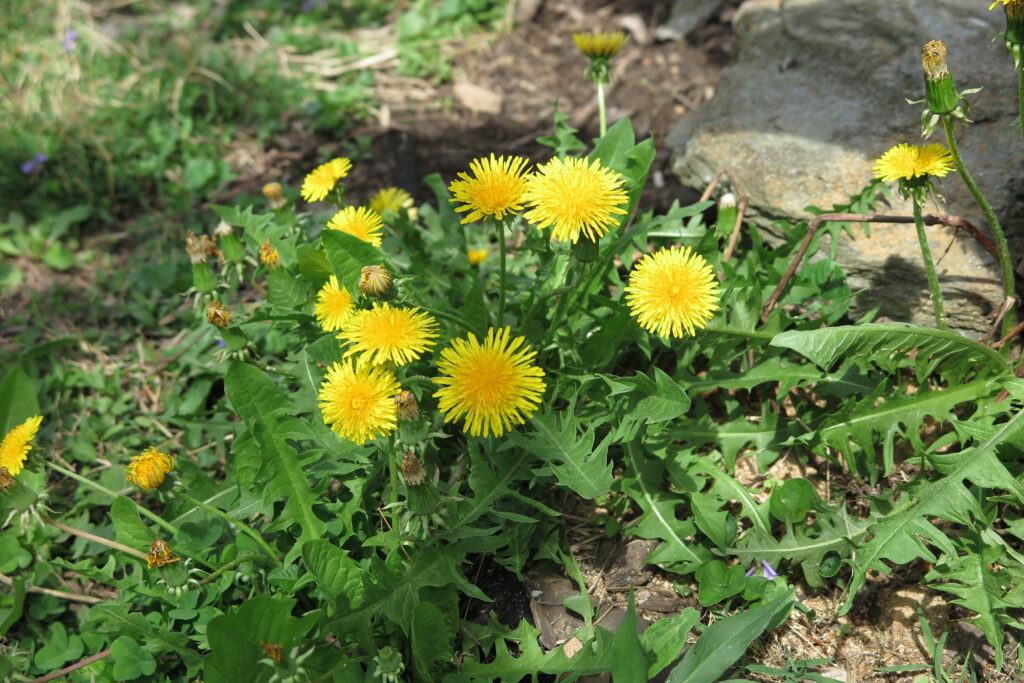
Field Observation
Several dandelions were observed growing together in a dense patch, while a few individual plants appeared scattered nearby. The bright yellow flowers stood out clearly against the surrounding vegetation, with visible pollen covering parts of the blooms. Some flower heads were beginning to transition into seed production, with white seeds already emerging from the center.
Dandelion Plant Introduction and Global Presence
Dandelions are among the most recognizable flowering plants in the world. Their bright yellow blooms and familiar seed heads have become a common sight in lawns, parks, roadsides, and open spaces across numerous continents. Although often overlooked due to their abundance, these plants possess a remarkable ability to thrive in a wide variety of conditions.
The species most people encounter is Taraxacum officinale, a perennial flowering plant originally native to Europe and parts of Asia. Over time, human activity and natural dispersal allowed it to spread far beyond its original range. Today, dandelions can be found throughout North America, South America, Australia, New Zealand, and many other temperate regions.
Few plants have become as globally successful as the dandelion. Whether growing beside a city sidewalk, in a suburban yard, or along a rural pathway, it has established itself as a familiar feature of everyday landscapes. Its widespread presence means many people recognize it long before learning its name.
Unlike many ornamental flowers that are intentionally cultivated for beauty, dandelions often appear without invitation. Despite this reputation, they remain an important and visually distinctive member of the plant world. Their bright appearance and unmistakable silhouette have made them one of the most recognized wildflowers on Earth.
Dandelion Overall Appearance and Plant Form
At a broad level, the dandelion is a compact perennial plant that grows close to the ground. Most specimens produce a circular cluster of leaves from a central point, creating a low-growing form that remains noticeable even when flowers are absent. This growth pattern helps the plant maintain a neat yet expansive appearance.
When flowering, the plant sends up hollow, leafless stalks that rise above the surrounding foliage. Each stem supports a single bright flower head, creating a simple but striking display. Multiple stems often emerge from the same plant, giving mature specimens a clustered appearance during peak blooming periods.
The overall size of a dandelion can vary depending on moisture, sunlight, and soil conditions. Plants growing in fertile areas may appear larger and more robust, while those in compacted or dry locations often remain smaller. Despite these differences, the general structure remains consistent throughout its range.
One reason for the dandelion’s success is its adaptability. It appears equally at home in highly maintained urban settings and less managed natural areas. This flexibility allows it to establish populations across diverse climates and landscapes, contributing to its reputation as one of the world’s most widespread flowering plants.
Distinctive Dandelion Characteristics and Defining Features
One of the most notable characteristics of the dandelion is its deeply lobed foliage. The leaves often display irregular tooth-like projections along their edges, giving the plant a jagged appearance. These pointed sections are believed to be the source of the common name, which originated from a phrase meaning “lion’s tooth.”
The leaves typically possess a rich green coloration and smooth surface texture. They emerge directly from the base of the plant rather than branching along an upright stem. This arrangement creates a radial pattern that spreads outward from the center, making the foliage easy to recognize even before flowers appear.
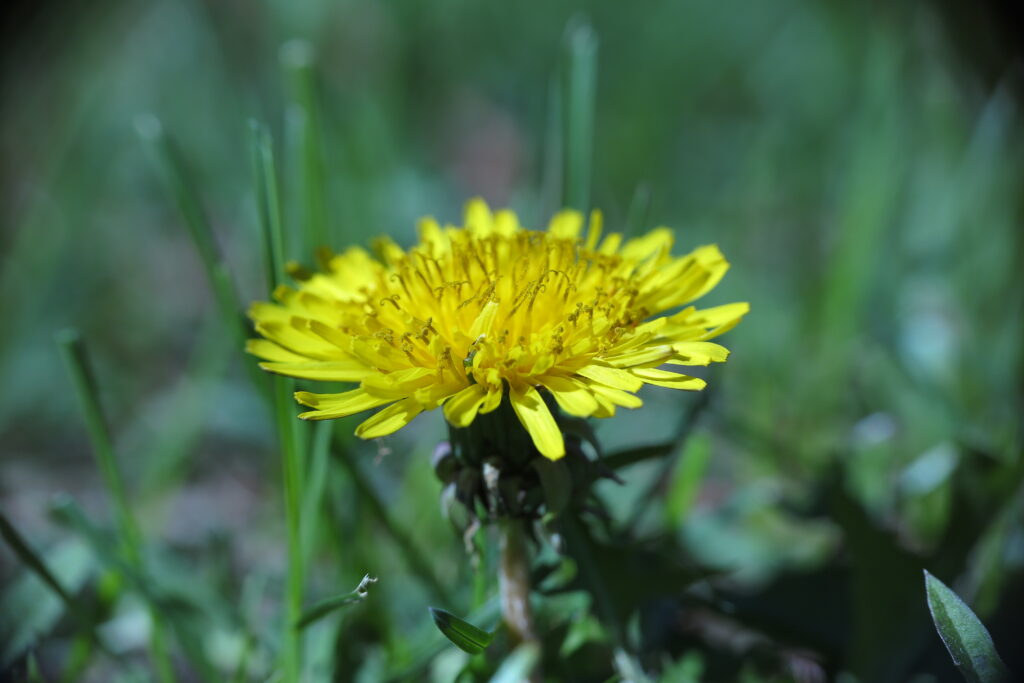
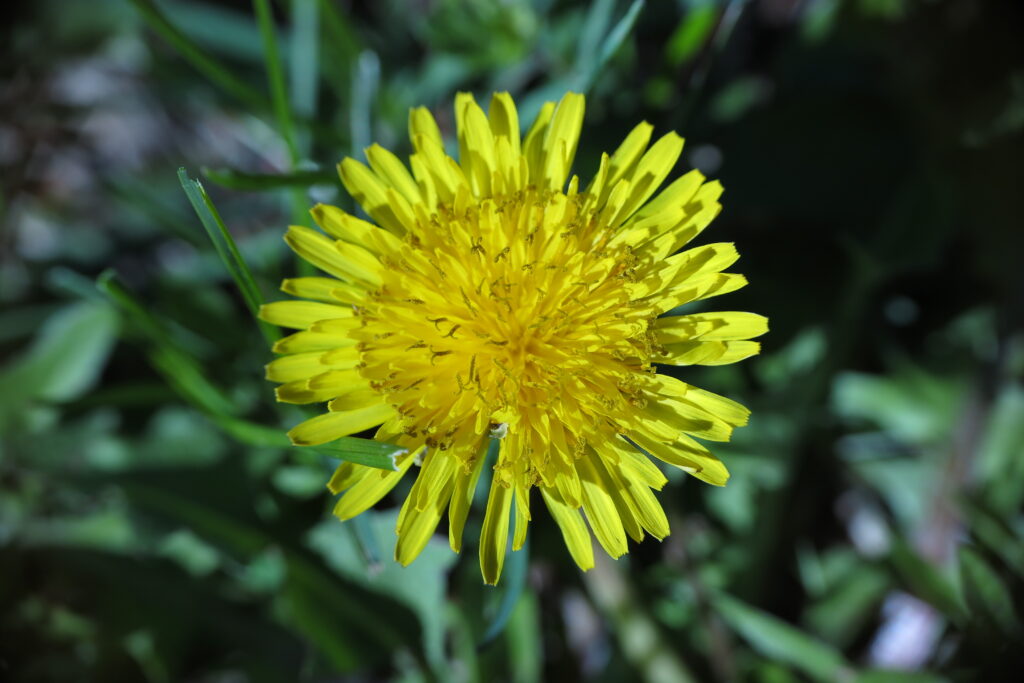
Another defining feature is the plant’s flower head. Although it appears to be a single bloom, it is actually composed of numerous tiny florets packed closely together. Viewed up close, the flower resembles a dense collection of miniature petals arranged into a nearly perfect circular disk.
The bright yellow flower is often compared to a small sun resting near the ground. This vivid coloration stands out against green vegetation and makes the plant highly visible from a distance. Even individuals with limited plant knowledge can often recognize a dandelion based solely on the flower’s distinctive appearance.
A final characteristic that contributes to the plant’s identity is its hollow flowering stem. Unlike many similar wildflowers that possess branching stems or visible leaves along the stalk, dandelions produce smooth, leafless stems that contain a hollow interior. This simple structure serves as another useful feature when distinguishing the species from look-alikes.
Visual Identification of Dandelions in the Field
Identifying a dandelion in the field is usually straightforward when flowers are present. The combination of bright yellow flower heads, leafless stems, and low-growing foliage creates a distinctive appearance that few plants can fully replicate. Even from several yards away, mature flowering plants are often immediately recognizable.
The leaf shape provides another important clue. Dandelion leaves typically feature deep, backward-pointing lobes that create a saw-like outline. While the exact shape varies between individual plants, the overall pattern remains consistent enough to aid identification. Observers often notice that the leaves appear longer and more deeply cut than many surrounding lawn plants.
One common source of confusion involves plants such as catsear and sow thistle. These species may produce yellow flowers that resemble dandelions at first glance. However, closer inspection often reveals important differences, including branching stems, hairy foliage, or multiple flowers growing from a single stalk. True dandelions generally produce one flower per stem, making them easier to separate from many look-alikes.
The flowering stem itself serves as a valuable identification feature. Breaking the stem reveals a hollow interior and often releases a milky white sap. This combination of traits helps confirm identification when uncertainty exists. Few commonly encountered lawn plants display exactly the same characteristics.
A practical way to recognize a dandelion is to imagine a bright yellow flower mounted on a simple green straw rising from a circular cluster of jagged leaves. That visual combination remains remarkably consistent across the species’ global range. When these features appear together, observers can usually identify the plant with confidence.
Observation Location
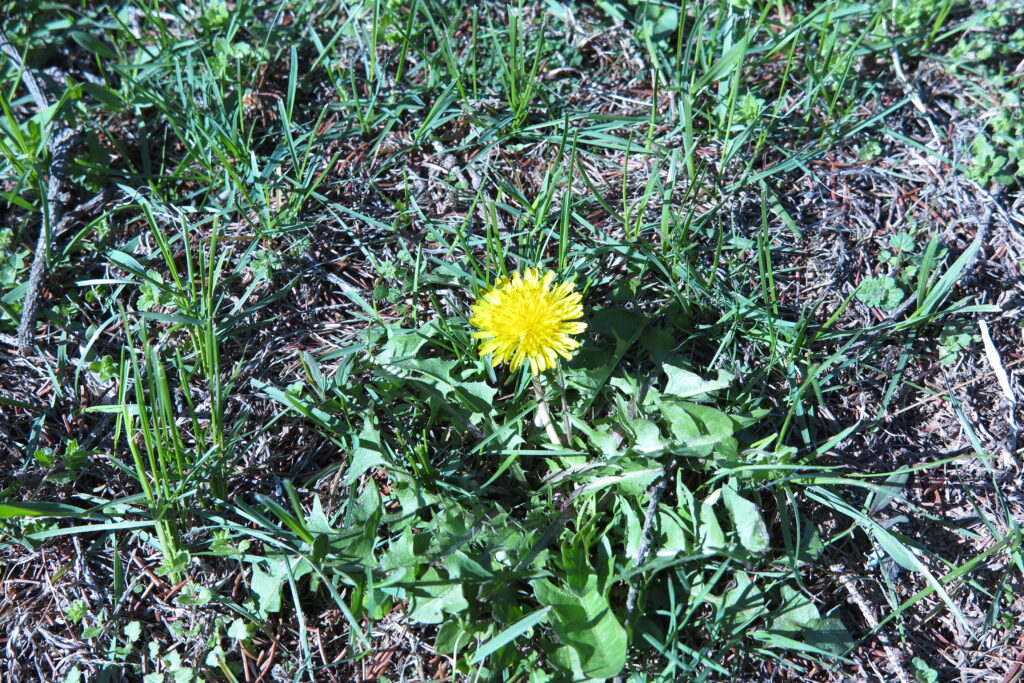
Observed in York County, Pennsylvania, USA
Popular Searches About Dandelions
Explore Dandelion Guide
Explore More Plants

Support Encounters World
Help support wildlife photography and get behind the scenes discoveries on Patreon.