Dandelion Flower Guide: Identification, Appearance, and Flower Characteristics
Quick Facts
Flower Type: Composite Flower Head
Bloom Size: 1–2 inches (2.5–5 cm) wide
Bloom Color: Bright Yellow
Bloom Season: Spring through Fall
Pollinator Attraction: Bees, butterflies, and other insects
Flower Arrangement: Single flower per stem
Native Range: Europe and Asia
Dandelion Flower Introduction and Recognition
The flower of the common dandelion is one of the most recognizable blooms in the world. Its bright yellow color and simple circular shape make it familiar to people of all ages, whether they encounter it in a lawn, field, roadside, or garden. Despite being common, the flower possesses several unique characteristics that separate it from many other wildflowers.
Originally associated with Europe and parts of Asia, dandelions have spread across much of the temperate world. Their flowers now appear throughout North America, Australia, New Zealand, and many other regions. Because of this widespread distribution, the bloom has become one of the most frequently observed flowers on Earth.
Many people identify dandelions solely by their flowers. The vivid yellow heads often stand out against surrounding vegetation, creating bright patches of color that can be seen from a considerable distance. Even individuals with little knowledge of plants can usually recognize a dandelion flower immediately.
Although often viewed as simple blooms, dandelion flowers contain a surprising level of complexity. What appears to be a single flower is actually composed of numerous smaller florets working together as one structure. Understanding these details helps reveal why the flower is both distinctive and successful.
Dandelion Flower Appearance and Overall Structure
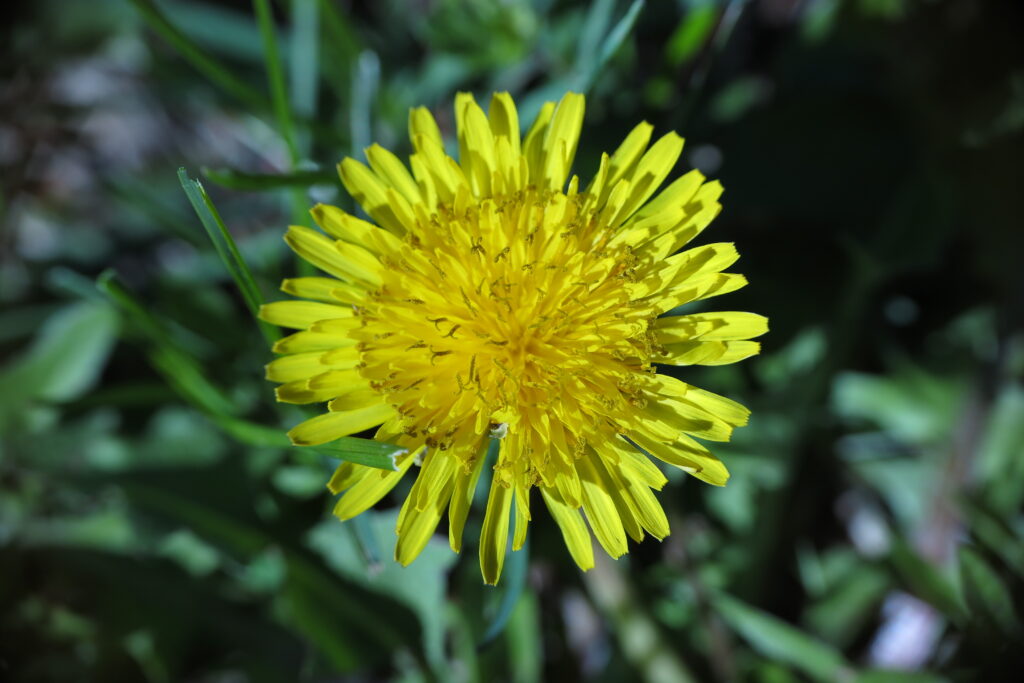
At first glance, a dandelion flower appears as a bright yellow disk positioned above the surrounding foliage. Individual flower heads typically measure between one and two inches across, creating a noticeable display despite the plant’s relatively small size. The bloom is supported by a single upright stalk that lifts it above nearby grass and vegetation.
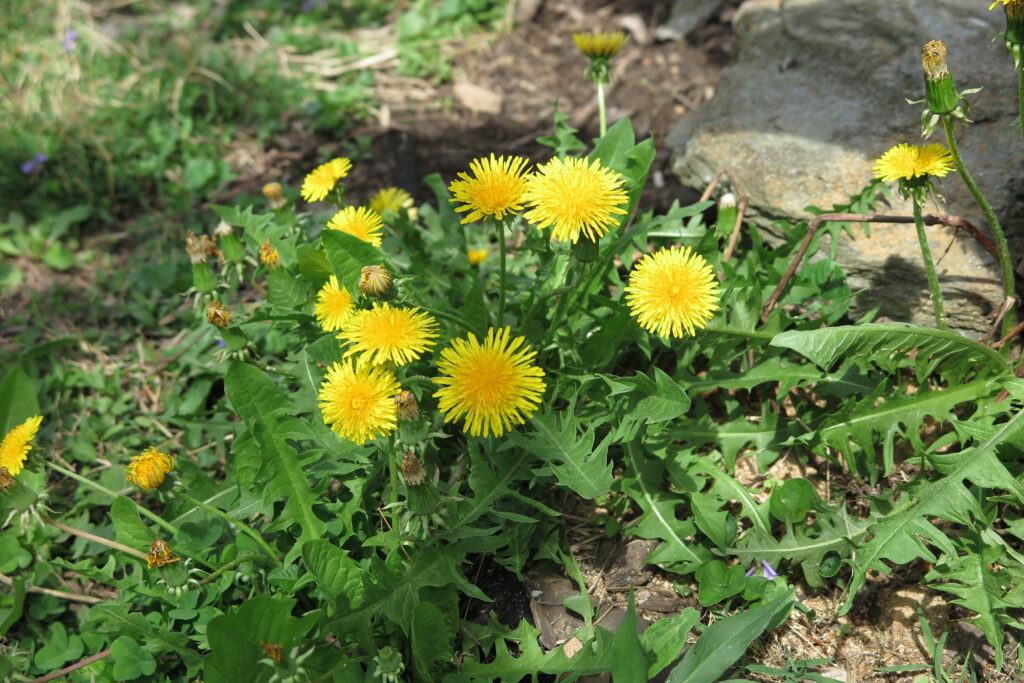
Unlike many flowering plants that produce clusters of blooms, dandelions generally display one flower head per stem. This arrangement gives each bloom a clean, uncluttered appearance. When multiple stems emerge from the same plant, the result resembles a collection of small yellow lanterns scattered above a green base.
The flower head itself is nearly circular when fully open. Viewed from above, it resembles a miniature sunburst, with narrow petals radiating outward from the center. This shape contributes significantly to the flower’s visual appeal and makes it easy to recognize from a distance.
In natural settings, dandelion flowers often create striking displays when many plants bloom together. A patch of flowering dandelions can transform an ordinary lawn into a field of yellow highlights. Their bright coloration remains highly visible even when mixed among taller vegetation.
One useful comparison is to imagine a golden coin resting atop a slender green stem. The flower maintains a simple but effective design that allows it to stand out in a variety of landscapes. This combination of color, shape, and position makes it one of the easiest wildflowers to spot in the field.
Distinctive Characteristics of Dandelion Flowers
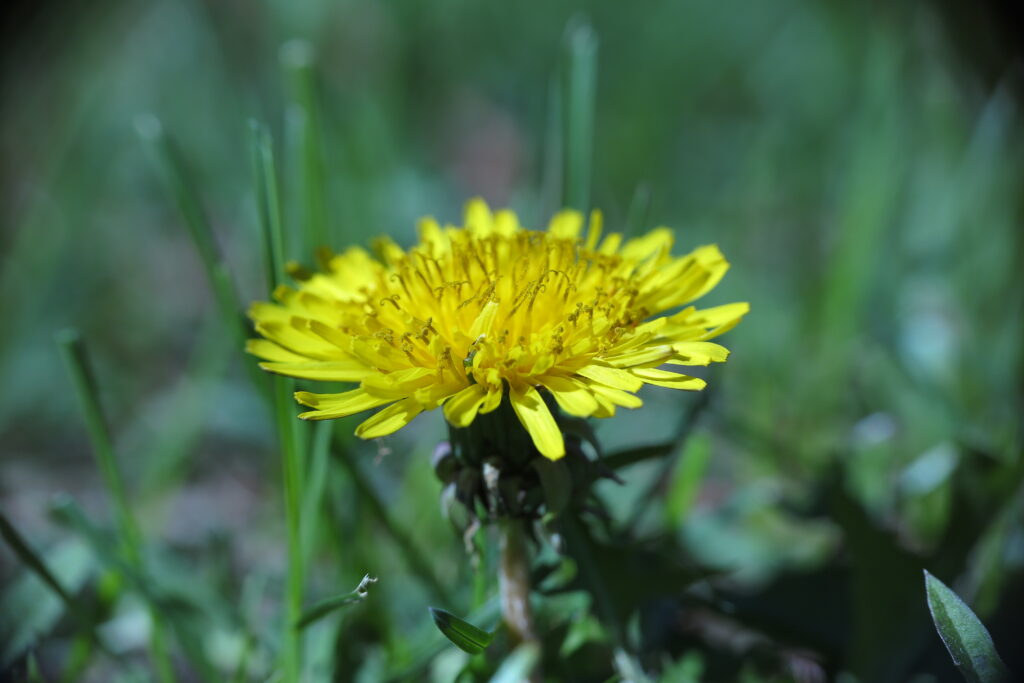
One of the most remarkable features of the dandelion flower is that it is not a single flower at all. Instead, the bloom consists of dozens or even hundreds of tiny individual florets packed closely together. These florets combine to create the appearance of a single unified flower head.
Each floret contains a narrow strap-shaped petal that contributes to the flower’s characteristic texture. When viewed closely, the bloom appears far more intricate than it does from a distance. The tightly arranged florets create a dense surface that gives the flower its full, rounded appearance.
Color is another defining characteristic. Most dandelion flowers display a rich golden-yellow shade that remains highly visible in natural light. This bright coloration contrasts strongly against green foliage and helps attract attention from both people and pollinating insects.
The flower head also demonstrates noticeable changes throughout the day. During favorable conditions, the bloom opens fully to expose its vibrant yellow surface. During periods of darkness or poor weather, it may partially close, giving the flower a noticeably different appearance.
Compared to similar yellow-flowered plants, dandelions often appear more symmetrical and uniform. Their flower heads typically form nearly perfect circles, while some look-alike species produce less organized blooms. This balanced structure serves as another useful identifying feature.
How to Identify Dandelion Flowers in the Field
Identifying a dandelion flower usually begins with observing its bright yellow color and solitary flower head. Unlike plants that produce clusters of flowers on branching stems, dandelions generally support a single bloom atop each stalk. This simple arrangement is one of the quickest field marks to recognize.
Examining the stem provides another useful clue. Dandelion flower stalks are smooth, hollow, and leafless. Many similar species possess branched stems or small leaves along the flowering stalk, making this characteristic particularly valuable for accurate identification.
Confusion most commonly occurs with species such as catsear, false dandelion, or sow thistle. These plants may produce yellow flowers that resemble dandelions from a distance. However, closer inspection often reveals multiple flowers per stem, hairy stems, or other structural differences not typically found in true dandelions.
The flower itself offers additional confirmation. A true dandelion bloom forms a dense circular head composed of tightly packed yellow florets. The overall appearance is often cleaner and more symmetrical than many similar wildflowers. This consistency helps distinguish the species even when growing among look-alikes.
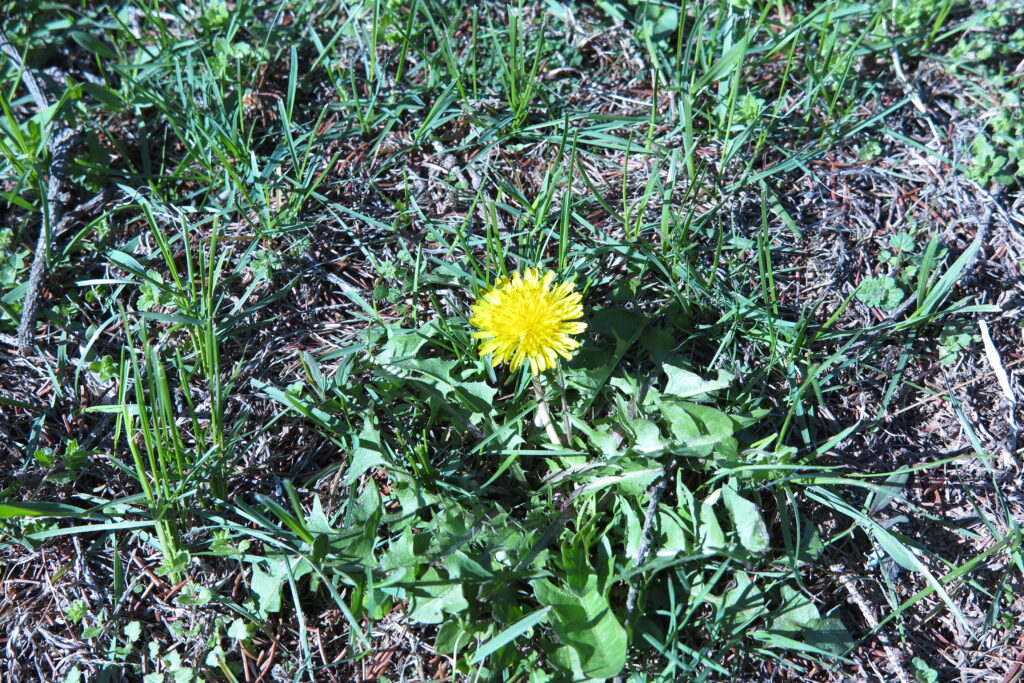
A practical field comparison is to think of the flower as a small yellow sun sitting on top of a green straw. When a bright circular bloom appears on a single hollow stem emerging from a low rosette of leaves, it strongly suggests a true dandelion. Combining these visual markers allows observers to identify the flower confidently in most situations.
Popular Searches About Dandelions
Explore Dandelion Guide
Explore More Plants

Support Encounters World
Help support wildlife photography and get behind the scenes discoveries on Patreon.