Dandelion Root Guide: Root Structure, Identification, and Characteristics
Quick Facts
Root Type: Taproot
Root Depth: Up to 6–18 inches (15–45 cm) or more
Root Color: Tan to Dark Brown Exterior, White Interior
Root Texture: Thick, Firm, Fleshy
Root Function: Water Storage and Nutrient Absorption
Root Shape: Long, Tapered, Carrot-Like
Native Range: Europe and Asia
Dandelion Root Introduction and Underground Structure
The root system of the common dandelion is one of the most important yet least visible parts of the plant. While most people immediately notice the bright yellow flowers or distinctive leaves, much of the plant’s success depends on what lies beneath the soil surface. The root serves as the foundation that supports the entire plant throughout its life.
Native to Europe and parts of Asia, dandelions have expanded across much of the temperate world. Their underground structures have played a major role in this expansion. Whether growing in lawns, meadows, roadsides, or gardens, the root system allows the plant to establish itself in a wide variety of locations.
Unlike plants that rely on numerous shallow roots spread near the surface, dandelions invest heavily in a single dominant root. This design gives the plant access to resources located deeper underground. As a result, the species can remain healthy even when surface conditions become less favorable.
Although hidden from view, the root is often larger than many people expect. Digging up a mature dandelion frequently reveals a substantial underground structure extending well below the visible leaves. Understanding this root system provides valuable insight into how the plant survives and persists in so many environments.
Dandelion Root Overview and General Appearance
The dandelion root is classified as a taproot, meaning it consists of one primary root that grows vertically downward from the center of the plant. Unlike fibrous root systems that resemble tangled networks of thin strands, a taproot forms a single dominant structure. This immediately gives the root a distinctive appearance when removed from the soil.
Most roots display a long, narrow profile that gradually tapers toward the tip. The shape is often compared to a slender carrot or parsnip because of its elongated form and pointed end. Depending on soil conditions and plant age, the root may vary considerably in length and thickness.
The outer surface usually appears tan, brown, or dark brown. Beneath this exterior layer lies a lighter interior that is often creamy white. Freshly exposed roots may release a milky sap similar to that found in other parts of the plant.
Mature specimens frequently develop roots that extend much deeper than expected. While the visible portion of the plant remains low to the ground, the root can penetrate several inches below the surface. This contrast between a small above-ground plant and a substantial underground structure is one of the defining characteristics of the species.
Viewed as a whole, the root resembles a sturdy anchor securing the plant in place. Its simple yet effective design allows it to support foliage, flowers, and seed production while remaining largely hidden beneath the soil.
Distinctive Characteristics of Dandelion Roots
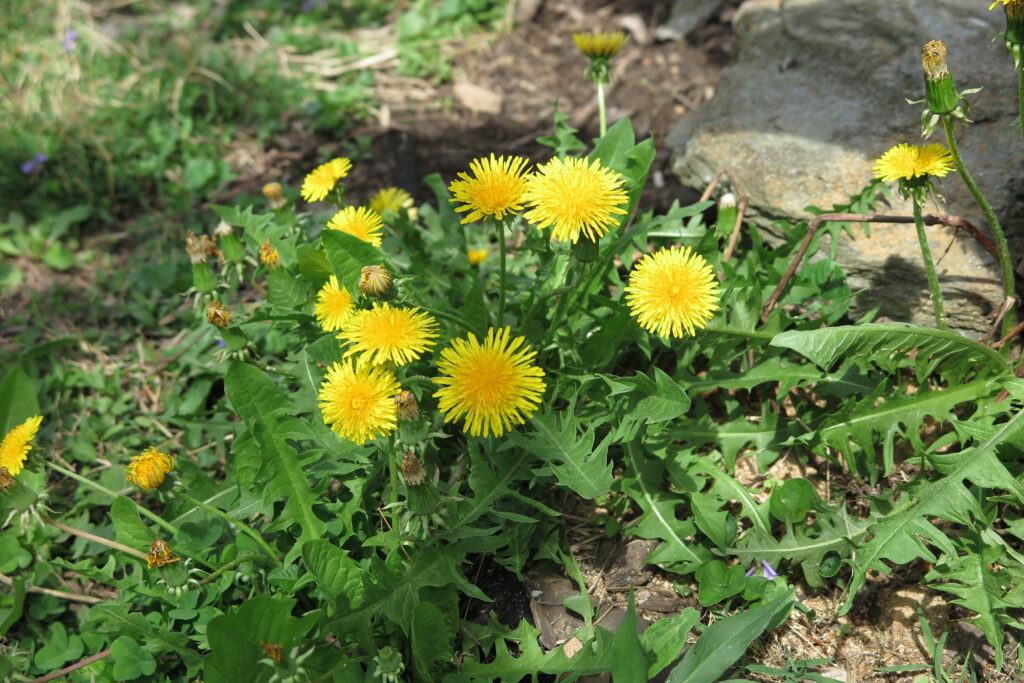
One of the most recognizable characteristics of the dandelion root is its thickness relative to the rest of the plant. A small rosette of leaves may be connected to a surprisingly large root system below ground. This disproportion often surprises people encountering the root for the first time.
The root texture is generally firm and fleshy rather than woody. Younger roots feel smooth and flexible, while older roots may become denser and tougher. This texture reflects the root’s role as a storage structure capable of retaining resources for future growth.
Another notable feature is the production of milky latex. When cut or broken, the root often releases a white sap similar to the liquid found in stems and leaves. This characteristic can assist with identification when examining freshly harvested specimens.
Unlike many plants that develop numerous major roots spreading outward, dandelions focus most of their growth into a single central axis. Smaller side roots may branch from the main root, but the overall structure remains dominated by the primary taproot. This creates a cleaner and more organized appearance than many fibrous systems.
A useful comparison is to imagine a tent stake driven deeply into the ground. The main root serves a similar role by providing stability and support. This simple structure contributes greatly to the plant’s ability to remain firmly anchored despite weather, mowing, or other disturbances.
How to Identify Dandelion Roots in the Field
Identifying a dandelion root begins by examining the overall root structure. True dandelions produce a prominent taproot that extends downward from the center of the leaf rosette. The presence of a single dominant root is one of the most important identifying features.
The shape offers another valuable clue. Most roots display a long, tapered profile with a thicker upper portion narrowing toward the tip. This carrot-like appearance differs noticeably from plants that possess clusters of similarly sized roots or extensive fibrous networks.
Color and texture can provide additional confirmation. Fresh roots often display a brown exterior with a pale interior when cut. The firm, fleshy texture is generally consistent throughout much of the root’s length, especially in healthy mature plants.
Observing the connection between the leaves and root is also helpful. The root emerges directly from the center of the basal rosette rather than from an upright stem. This direct transition from leaf cluster to taproot is characteristic of true dandelions.
Confusion occasionally occurs with plants such as catsear or false dandelion, which may possess somewhat similar underground structures. However, combining root characteristics with leaf and flower identification greatly improves accuracy. A long tapering taproot attached to a classic dandelion rosette remains one of the most reliable combinations for confirming the species.
Popular Searches About Dandelions
Explore Dandelion Guide
Explore More Plants

Support Encounters World
Help support wildlife photography and get behind the scenes discoveries on Patreon.