Dandelion Seed Guide: Seed Identification, Structure, and Dispersal Characteristics
Quick Facts
Seed Type: Achene
Seed Color: Brown to Olive-Brown
Seed Head Diameter: 1–2 inches (2.5–5 cm)
Dispersal Method: Wind
Seed Structure: Single seed attached to a parachute-like pappus
Seeds Per Head: 100–300+
Native Range: Europe and Asia
Dandelion Seed Introduction and Recognition
Dandelion seeds are among the most recognizable plant structures in the natural world. Even people unfamiliar with plant identification often recognize the familiar white seed heads that appear after the yellow flowers fade. These delicate structures have become iconic symbols of spring, summer, and childhood curiosity.
The common dandelion (Taraxacum officinale) originated in Europe and parts of Asia but now occurs throughout much of the temperate world. As the species expanded across continents, its distinctive seed structures became equally widespread. Today, dandelion seed heads are common sights in lawns, parks, roadsides, meadows, and gardens.
Unlike many seeds that remain hidden within fruits or cones, dandelion seeds are displayed prominently above the plant. Their elevated position makes them highly visible and easy to study. When mature, they form nearly perfect white spheres that stand out against surrounding vegetation.
Many people first encounter dandelion seeds through simple observation rather than formal study. A gentle breeze can send dozens of floating seeds drifting through the air, creating a memorable visual display. This combination of beauty and function has made dandelion seeds one of the most recognized reproductive structures in the plant kingdom.
Dandelion Seed Head Appearance and Overall Structure
A mature dandelion seed head has a remarkably symmetrical appearance. From a distance, it resembles a small white puffball balanced atop a slender green stem. The nearly spherical shape is one of the easiest ways to recognize the plant once flowering has ended.
Each seed head is composed of numerous individual seeds arranged around a central hub. Together, these seeds create a delicate globe that appears soft and feathery. The structure is surprisingly lightweight, allowing even gentle air movement to influence its shape and stability.
Viewed closely, the seed head resembles a miniature fireworks burst frozen in place. Fine white filaments extend outward in every direction, giving the structure its characteristic airy appearance. This design maximizes exposure to moving air while maintaining an organized shape.
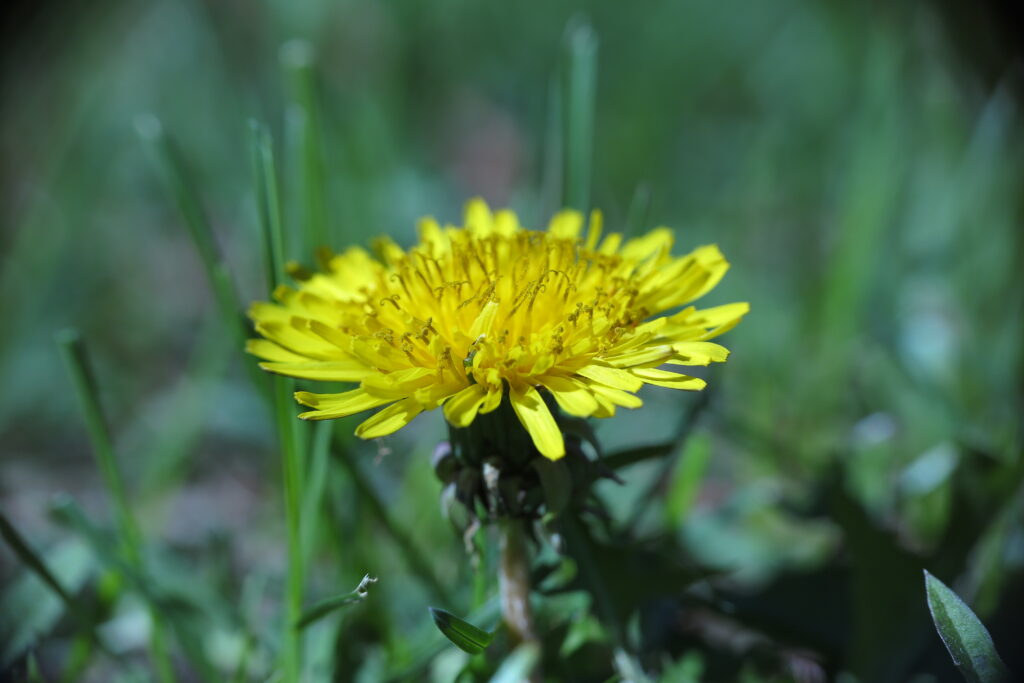
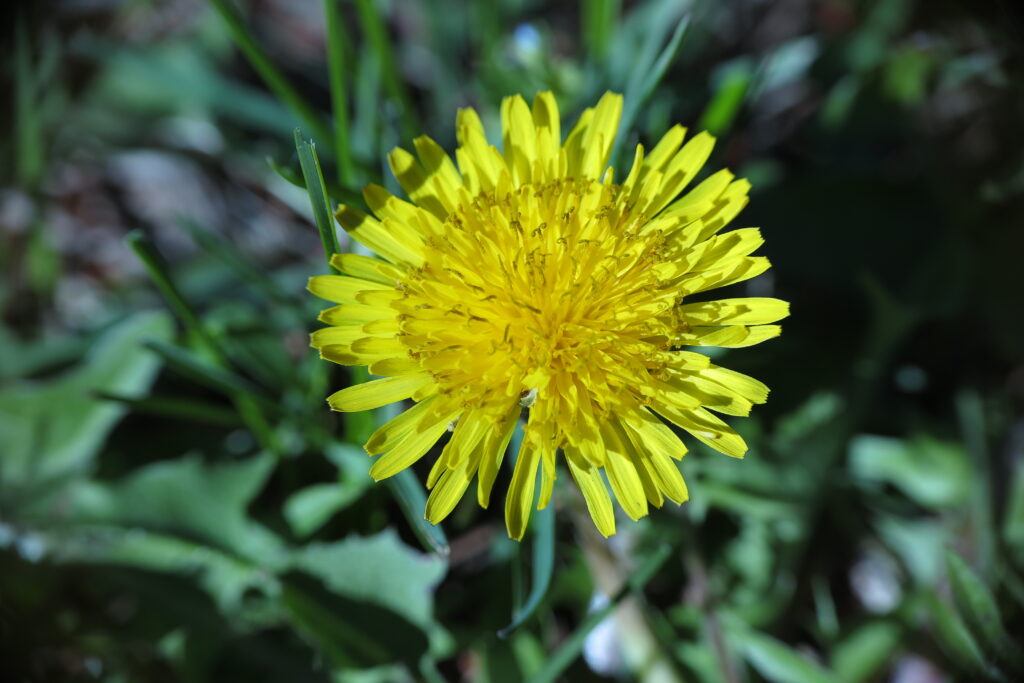
The seed head often appears larger than the flower that preceded it. While the yellow bloom presents a dense circular disk, the mature seed structure expands into an open sphere with considerable visual volume. This transformation dramatically changes the plant’s appearance and makes it easy to distinguish flowering and seeding stages.
In natural settings, multiple seed heads may develop simultaneously on a single plant. When grouped together, they create clusters of white spheres that contrast strongly with surrounding greenery. Their bright appearance often attracts attention even from a distance.
Distinctive Characteristics of Dandelion Seeds
Individual dandelion seeds are technically classified as achenes, a type of dry fruit containing a single seed. Each achene is relatively small, narrow, and elongated, usually displaying shades of brown or olive-brown. Although tiny, these structures contain everything necessary for future plant development.
Attached to the top of each seed is a specialized structure known as a pappus. This collection of fine white bristles acts much like a parachute, dramatically increasing the seed’s surface area. The pappus is responsible for the floating behavior that makes dandelion seeds so distinctive.
The connection between the seed and pappus resembles a miniature umbrella attached to a narrow handle. This elegant design helps keep the seed suspended in the air for extended periods. Compared to heavier seeds that simply fall to the ground, dandelion seeds can travel surprisingly long distances.
One of the most recognizable characteristics is the seed’s ability to detach cleanly from the seed head. When disturbed by wind, animals, or passing people, individual seeds separate easily and begin drifting away. This feature gives mature seed heads their fragile appearance.
A useful comparison is to imagine a tiny parachutist suspended beneath a lightweight canopy. Each seed functions independently, allowing hundreds of individual dispersal units to leave the parent plant. This combination of simplicity and efficiency has contributed significantly to the species’ success around the world.
How to Identify Dandelion Seeds in the Field
Identifying dandelion seeds is usually straightforward because few common plants produce such distinctive seed heads. The first feature to examine is the overall shape. Mature dandelion seed heads form nearly perfect white spheres rather than elongated clusters or dense spikes.
The parachute-like pappus provides another reliable field mark. Individual seeds possess a crown of fine white hairs that radiate outward in a circular pattern. This arrangement creates the soft, fuzzy appearance that people commonly associate with dandelions.
Confusion occasionally occurs with plants such as sow thistles, catsears, and other members of the daisy family. These species may also produce wind-dispersed seeds with white bristles. However, their seed heads are often less symmetrical, less densely organized, or attached to branching stems rather than solitary stalks.
Examining the seed-bearing stem can provide additional confirmation. Dandelion seed heads are typically supported by smooth, hollow, leafless stalks that rise directly from the plant’s basal rosette. Many similar species display branching stems or additional flowers and seed heads along the same stalk.
A practical field comparison is to think of a dandelion seed head as a perfectly rounded white pom-pom balanced on a green straw. When observers find a nearly spherical cluster of parachute-equipped seeds growing on a single hollow stem, they are almost certainly looking at a true dandelion. These distinctive visual traits make the species one of the easiest seed-producing plants to identify.
Popular Searches About Dandelions
Explore Dandelion Guide
Explore More Plants

Support Encounters World
Help support wildlife photography and get behind the scenes discoveries on Patreon.