Dandelion Growth Guide: Growth Rate, Life Cycle, and Reproduction
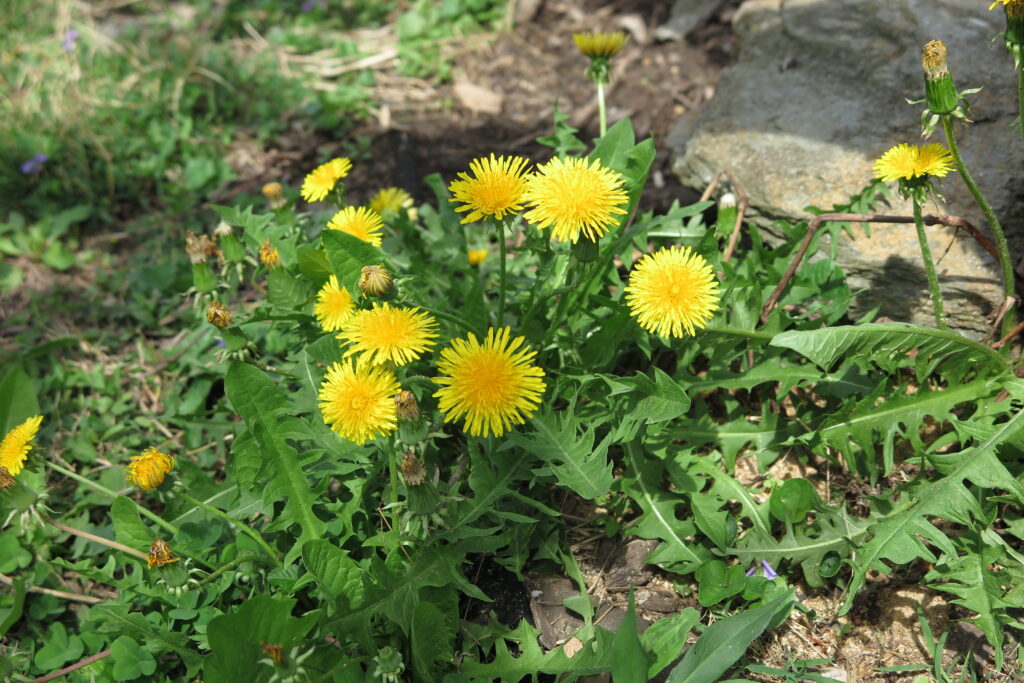
Quick Facts
Growth Rate: Fast
Growth Pattern: Clumping basal rosette
Reproduction Method: Seeds and taproot persistence
Dormancy Period: Winter dormancy in colder climates
Sunlight Needs: Full sun to partial shade
Water Needs: Moderate
Seasonal Changes: Strong spring growth, summer persistence, fall regrowth, winter dormancy
Dandelion Growth and Seasonal Development Introduction
The common dandelion (Taraxacum officinale) is a fast-developing perennial plant known for appearing quickly across lawns, fields, roadsides, and open green spaces. Its growth is easy to notice because the plant often becomes active early in the season, producing green foliage and yellow blooms before many other low-growing plants become visually dominant.
Originally native to Europe and parts of Asia, dandelions now grow across much of the temperate world. They are especially common in North America, where they have become familiar in both urban and rural landscapes. Their ability to develop in many regions has made them one of the most recognizable flowering plants on the planet.
Dandelion growth is not dramatic in height, but it is highly efficient. Instead of becoming tall or woody, the plant invests in a low, persistent form that allows it to return year after year. This makes it different from many seasonal annual flowers that complete their growth and disappear entirely after one growing season.
In everyday settings, dandelions often seem to appear almost overnight. A lawn that looks mostly green one week may suddenly be dotted with yellow flowers the next. That quick visual change is part of what makes the plant so noticeable during spring and early summer.
Dandelion Growth Rate and Seasonal Progression
Dandelions are considered fast-growing plants because they can produce new leaves and flowers quickly once conditions become favorable. In spring, warming temperatures and increased daylight often trigger a strong flush of visible growth. This early activity allows the plant to take advantage of open space before surrounding vegetation becomes thicker.
The plant’s growth rate can vary depending on moisture, sunlight, and soil quality. In rich, moderately moist soil, dandelions may develop broad leaves and repeated flower stalks. In dry or compacted ground, growth may be smaller, but the plant can still remain active and recognizable.
Compared with many perennial wildflowers, dandelions often move through visible growth stages more quickly. Some plants spend a long period building foliage before flowering, while dandelions can shift from leaf growth to blooming in a short time. This gives them a noticeable advantage in disturbed or regularly mowed areas.
Seasonal changes strongly influence how the plant develops. Spring usually brings the most obvious growth, summer may slow the plant during heat or drought, and fall can produce fresh leaves when cooler weather returns. In colder climates, winter growth pauses, but the plant survives below the surface until conditions improve.
Dandelion Growth Patterns and Physical Expansion
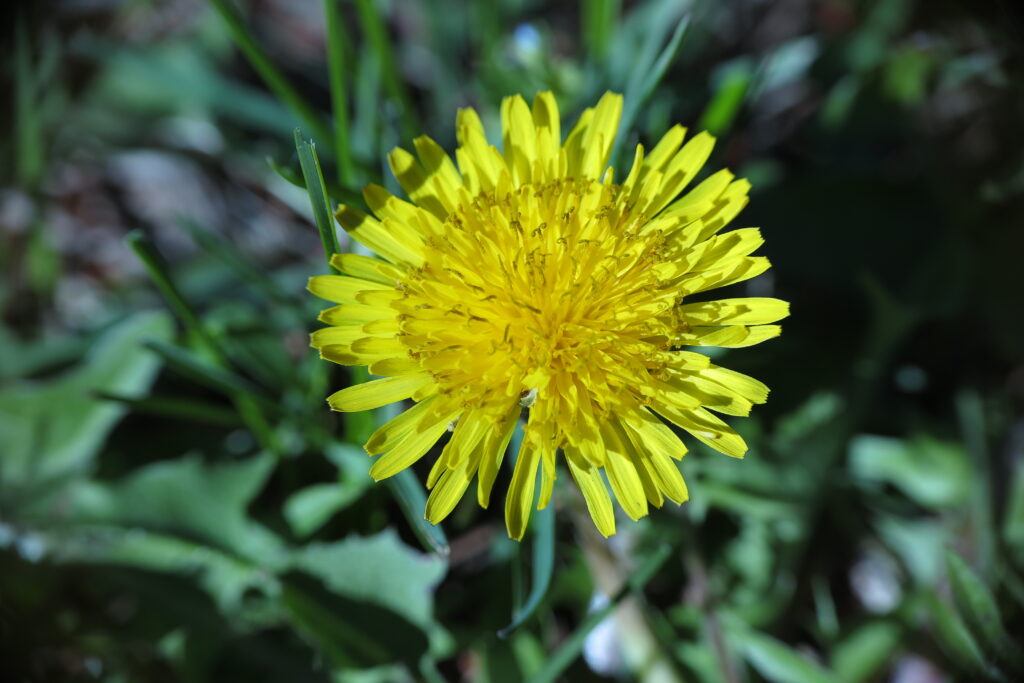
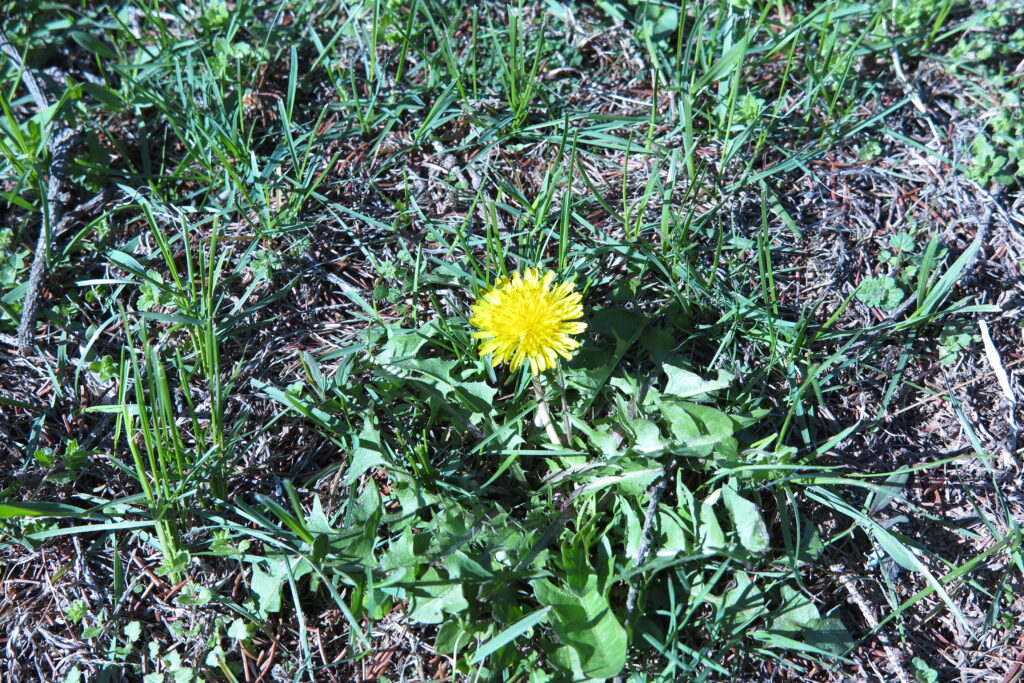
Dandelions grow in a clumping form known as a basal rosette. This means the leaves spread outward from a central point near the ground rather than climbing upward on a tall stem. The result is a low, circular plant shape that can press closely against the soil surface.
As the plant expands, the leaves radiate outward like spokes from the center of a wheel. This shape helps the dandelion occupy open ground efficiently without needing to grow tall. In lawns or short grass, the rosette can spread beneath surrounding blades while still receiving sunlight.
The flower stalks grow differently from the leaves. They rise upright from the center of the plant and hold the yellow flower heads above the foliage. These stems are usually simple and unbranched, giving the plant a clean, direct shape compared with branching wildflowers.
A mature dandelion can look like a small green base with bright yellow markers rising from it. In dense patches, multiple rosettes may grow close together and create a carpet-like appearance across the ground. Single plants, however, can remain separate and easy to see when growing in scattered open spaces.
Dandelion Reproduction and Life Cycle Process
Dandelions reproduce primarily through seeds. After the yellow flower head matures, it transforms into a rounded white seed head made of many tiny wind-carried seeds. Each seed has a light, feathery structure that allows it to lift into the air and travel away from the parent plant.
This seed dispersal method is one reason dandelions spread so successfully. A single seed head can release many seeds, and even a light breeze can carry them into nearby lawns, fields, sidewalk cracks, or garden edges. This allows new plants to appear in places far from the original flower.
The dandelion life cycle begins when a seed reaches a suitable place to germinate. Young plants first develop small leaves close to the ground, then gradually form a stronger rosette and taproot. Once established, the plant can continue returning through multiple seasons.
Persistence is also supported by the taproot. Even if the visible leaves or flower stalks are removed, the root may remain alive and produce new growth. This combination of seed production and root survival makes the dandelion one of the most persistent and successful perennial plants in everyday landscapes.
Popular Searches About Dandelions
Explore Dandelion Guide
Explore More Plants

Support Encounters World
Help support wildlife photography and get behind the scenes discoveries on Patreon.