Dandelion vs Catsear: How to Tell the Difference Between These Similar Yellow Wildflowers
Quick Facts
Plant Type: Perennial Wildflowers
Flower Color: Bright Yellow (Both Species)
Leaf Type: Broadleaf Rosette
Stem Type: Single Hollow Stem vs Branched Hairy Stem
Root System: Taproot (Both Species)
Most Common Identification Difference: Hairless Dandelion vs Hairy Catsear
Native Range: Europe and Asia
Dandelion vs Catsear Introduction and Common Confusion
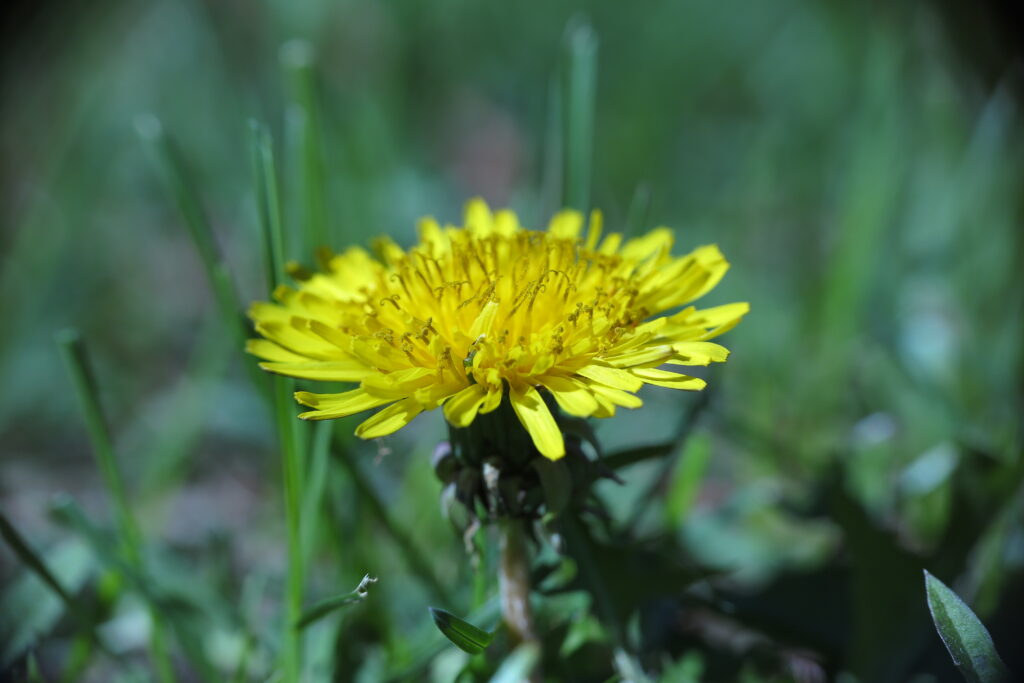
Dandelions and catsear are two of the most frequently confused yellow wildflowers found throughout temperate regions. At first glance, both species appear remarkably similar, producing bright yellow blooms above low-growing leaf rosettes. Their shared appearance often leads observers to assume they are the same plant.
The common dandelion (Taraxacum officinale) and catsear (Hypochaeris radicata) both originated in Europe before spreading to many parts of the world. Today, they can be found growing in lawns, parks, fields, roadsides, and other open landscapes. Their overlapping distributions contribute significantly to identification challenges.
Many people first notice similarities in the flowers. Both species produce yellow blooms that resemble miniature sunbursts against green vegetation. From a distance, distinguishing between them can be surprisingly difficult, especially when only a few plants are present.
Despite these similarities, several reliable features separate the two species. Differences in stems, leaves, flower arrangement, and texture become increasingly obvious with closer examination. Learning these distinctions helps observers confidently identify each plant in the field.
Comparing the Overall Appearance of Dandelions and Catsear
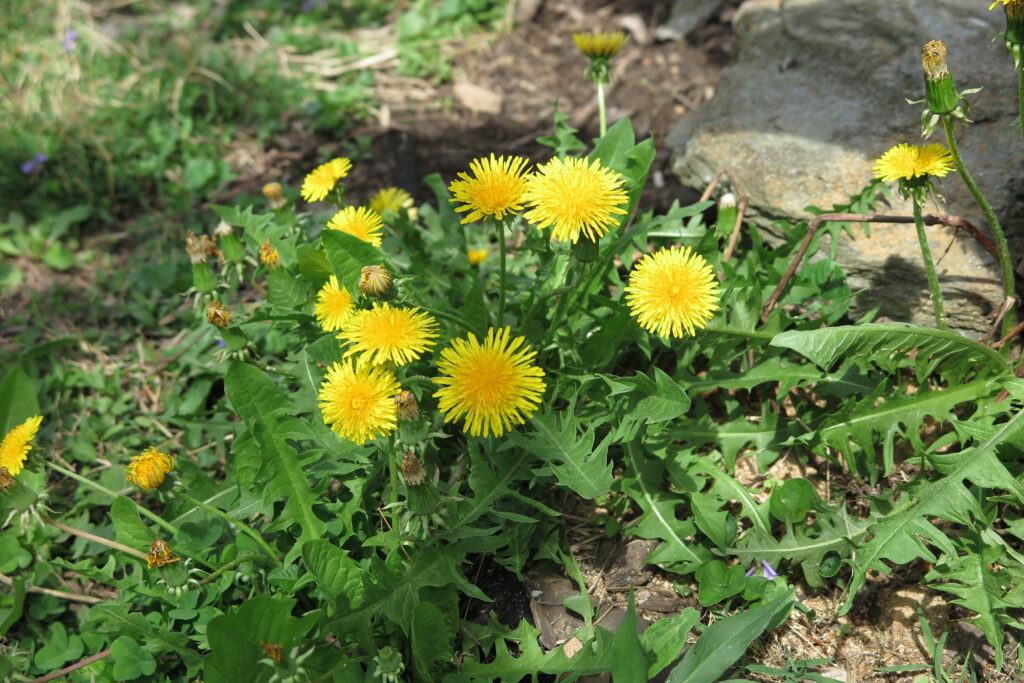
Viewed from a distance, dandelions and catsear share a broadly similar growth form. Both develop low clusters of leaves positioned near the ground and support yellow flower heads above surrounding vegetation. This overall silhouette explains why casual observers frequently mistake one for the other.
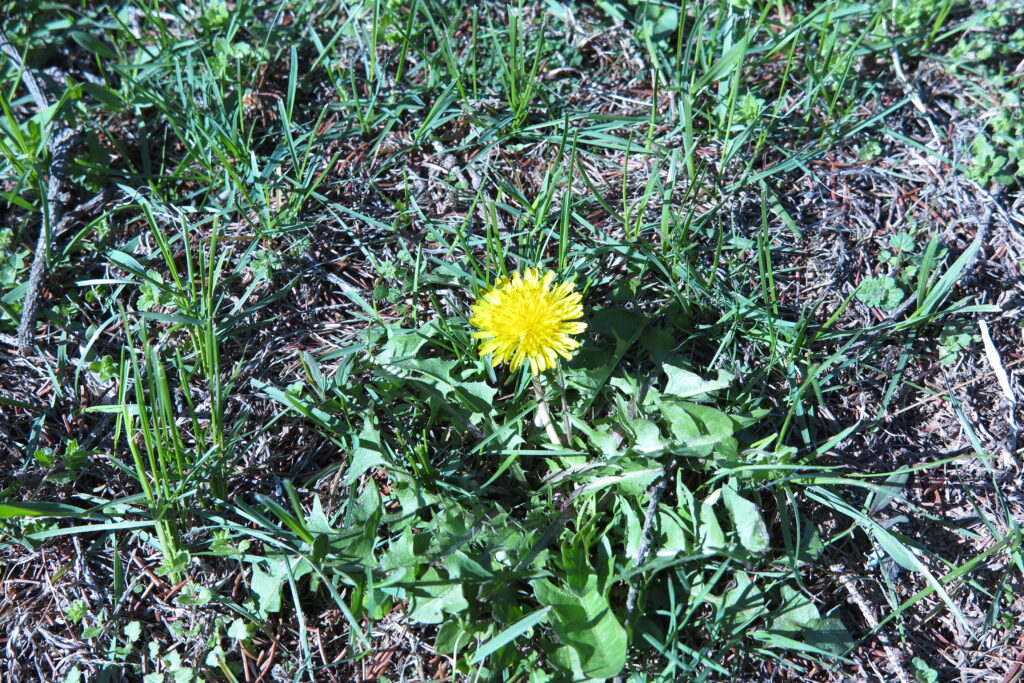
Dandelions generally present a cleaner and more organized appearance. Their leaves emerge from a compact central rosette, while flower stems rise individually from the middle of the plant. This creates a simple structure that appears tidy and symmetrical.
Catsear often appears slightly more sprawling. Mature plants can produce multiple branching flower stems that spread outward in different directions. As a result, catsear sometimes looks less structured than a typical dandelion and may occupy a broader area above the ground.
Flowering stems contribute significantly to overall appearance. Dandelions typically produce a single flower on each stem, creating isolated blooms rising above the foliage. Catsear, by contrast, frequently develops branching stems that support multiple flowers simultaneously.
A useful comparison is to imagine a dandelion as a carefully arranged bouquet with one flower per stalk, while catsear resembles a small branching candelabra supporting several blooms. Both plants remain attractive, but their overall presentation differs noticeably when viewed carefully.
Distinctive Characteristics That Separate Dandelions and Catsear
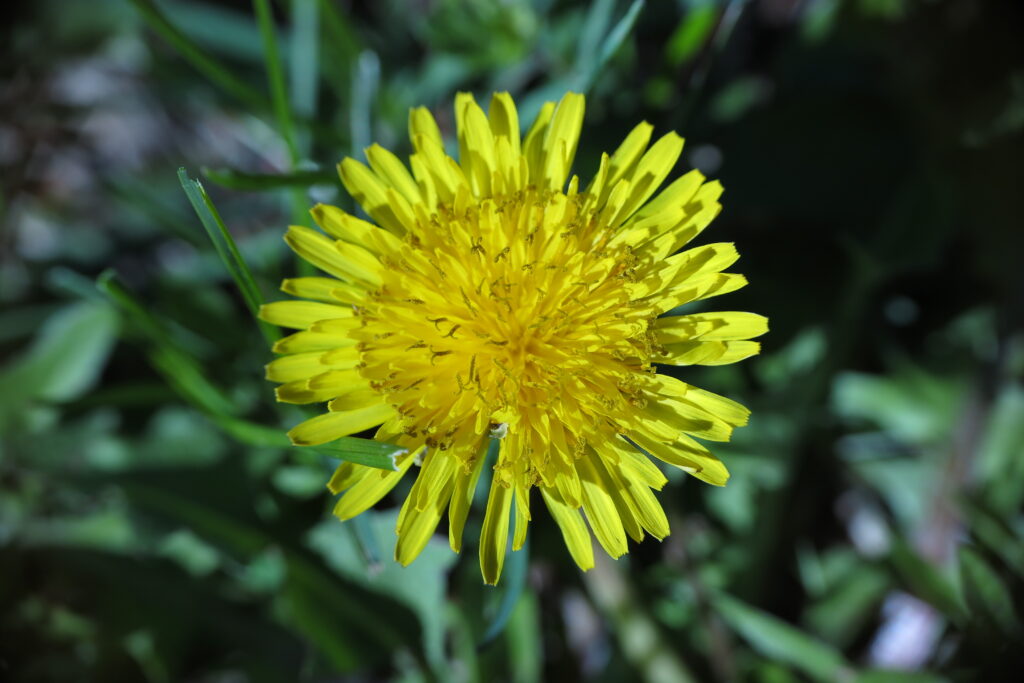
One of the most important differences involves leaf texture. Dandelion leaves are usually smooth or nearly smooth along their surfaces. Catsear leaves, however, often display noticeable hairs that give them a rougher appearance and texture.
Leaf shape can also provide valuable clues. Dandelions typically possess deeply toothed leaves with sharply defined lobes. Catsear leaves are often broader and less dramatically divided, although considerable variation exists between individual plants.
Stem characteristics offer another reliable identifying feature. Dandelion flower stems are hollow, smooth, and completely unbranched. Catsear stems are commonly solid or less obviously hollow, frequently display hairs, and often branch near the top.
The flower arrangement further distinguishes the two species. Dandelions generally support a single flower head on each stem. Catsear regularly produces multiple flower heads from branching stems, creating a more complex floral display.
A practical comparison is to think of dandelions as smooth and streamlined while catsear appears fuzzier and more branched. This contrast becomes especially useful when examining mature flowering specimens. Even without detailed botanical knowledge, observers can often separate the two plants by focusing on these characteristics.
Field Identification Tips for Dandelion vs Catsear
The easiest way to distinguish these species is to examine the flowering stem. If a yellow flower sits alone on a single smooth stem, the plant is likely a dandelion. If the stem branches and supports multiple flowers, catsear becomes the more likely identification.
Hairiness provides another quick field clue. Running a finger gently along the leaves often reveals obvious differences. Catsear typically feels noticeably rougher due to fine hairs, while dandelion foliage is usually smoother and less textured.
Observers should also pay attention to flower distribution. A dandelion plant may produce several stems, but each stem generally supports only one bloom. Catsear frequently creates a branching framework with several flowers emerging from a shared stem system.
Seed heads can sometimes create additional confusion because both species produce white wind-dispersed structures. However, catsear seed heads often appear slightly less uniform and are attached to branching stems rather than solitary stalks. Examining the stem arrangement beneath the seed head usually provides the answer.
A simple field rule works surprisingly well: look for branching and hairs. Hairy leaves combined with branching flower stems strongly suggest catsear. Smooth leaves paired with a single flower on each hollow stem point toward a true dandelion. Using these visual markers together allows reliable identification in most situations.
Popular Searches About Dandelions
Explore Dandelion Guide
Explore More Plants

Support Encounters World
Help support wildlife photography and get behind the scenes discoveries on Patreon.