Common Dandelion Habitat Guide: Where Dandelions Grow and Thrive
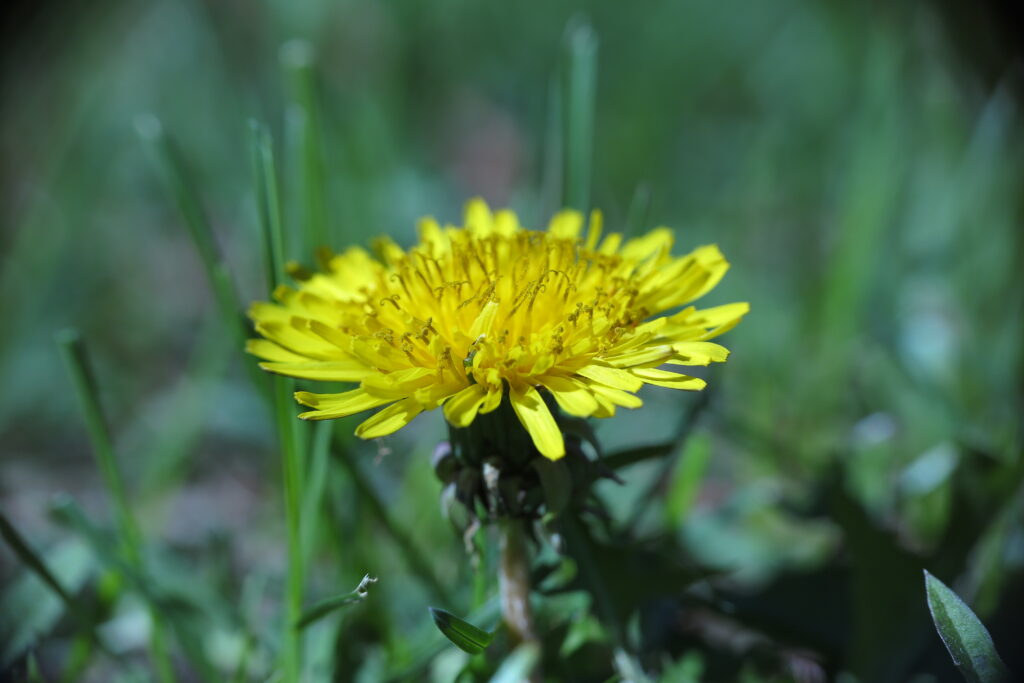
Quick Facts
Primary Habitat: Grasslands, lawns, and open disturbed areas
Secondary Habitat: Roadsides, gardens, meadows, and urban spaces
Soil Type: Loam, clay, sand, and disturbed soils
Soil pH Preference: Slightly acidic to neutral (pH 6.0–7.5)
Moisture Level: Moderate moisture, adaptable to dry conditions
Climate Zone: Temperate climates worldwide
Light Requirements: Full sun to partial shade
Common Dandelion Introduction and Global Distribution
The common dandelion (Taraxacum officinale) is one of the most widespread flowering plants in the world. Originally native to Europe and parts of Asia, it has expanded far beyond its native range and now occurs across nearly every temperate region where people live. Its familiar yellow flowers have become a common sight in both natural and human-altered landscapes.
Unlike many plants that remain restricted to specific regions, the dandelion has successfully established populations across multiple continents. It appears throughout North America, South America, Australia, New Zealand, and numerous other regions where conditions allow growth. Its ability to coexist alongside human development has contributed greatly to its worldwide distribution.
Many people encounter dandelions so frequently that they rarely consider how successful the species truly is. Whether growing near cities, rural communities, or remote travel corridors, the plant often finds opportunities to establish itself. This broad presence makes it one of the most recognizable wildflowers on Earth.
Despite its reputation as a common lawn plant, the dandelion occupies an impressive variety of environments across its global range. Its ability to adapt to different landscapes and environmental conditions has allowed it to spread farther than many other flowering plants. As a result, few species have achieved a comparable level of geographic success.
Common Dandelion Habitat Range and Geographic Adaptability
The common dandelion demonstrates remarkable adaptability throughout its range. Unlike specialized plants that require very specific environmental conditions, dandelions are capable of thriving across a wide variety of geographic regions. This flexibility allows them to occur in locations that differ greatly in climate and landscape.
Across North America alone, dandelions can be found from southern regions with relatively mild winters to northern areas that experience prolonged periods of cold weather. Their ability to survive seasonal changes contributes significantly to their widespread distribution. Few familiar wildflowers occur across such a broad portion of the continent.
Compared to many native wildflowers that remain tied to certain ecosystems, dandelions show far fewer geographic limitations. They readily establish populations in regions where other flowering plants struggle to persist. This adaptability has helped them become more widespread than numerous closely related species.
The species is particularly successful in landscapes influenced by human activity. Areas that experience regular mowing, construction, agriculture, or other forms of disturbance often provide opportunities for dandelions to spread. As people have expanded across the globe, the plant has frequently expanded alongside them.
Today, dandelions occupy a geographic range that spans much of the temperate world. Their distribution continues to demonstrate how adaptable and resilient a single flowering plant can become when environmental requirements remain relatively flexible.
Common Dandelion Growing Environments and Natural Settings
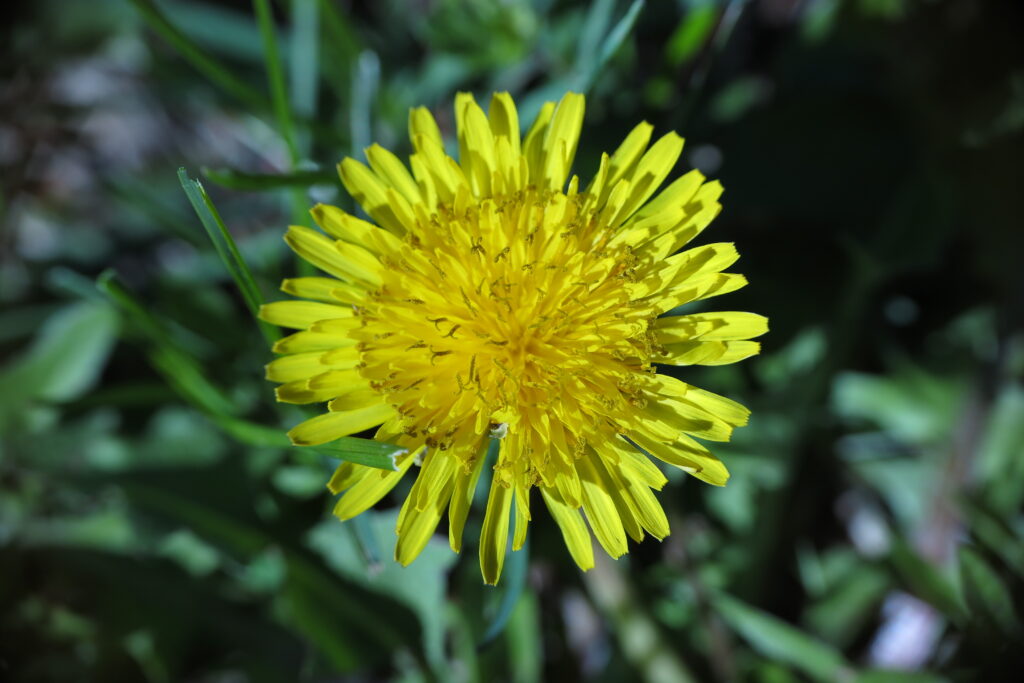
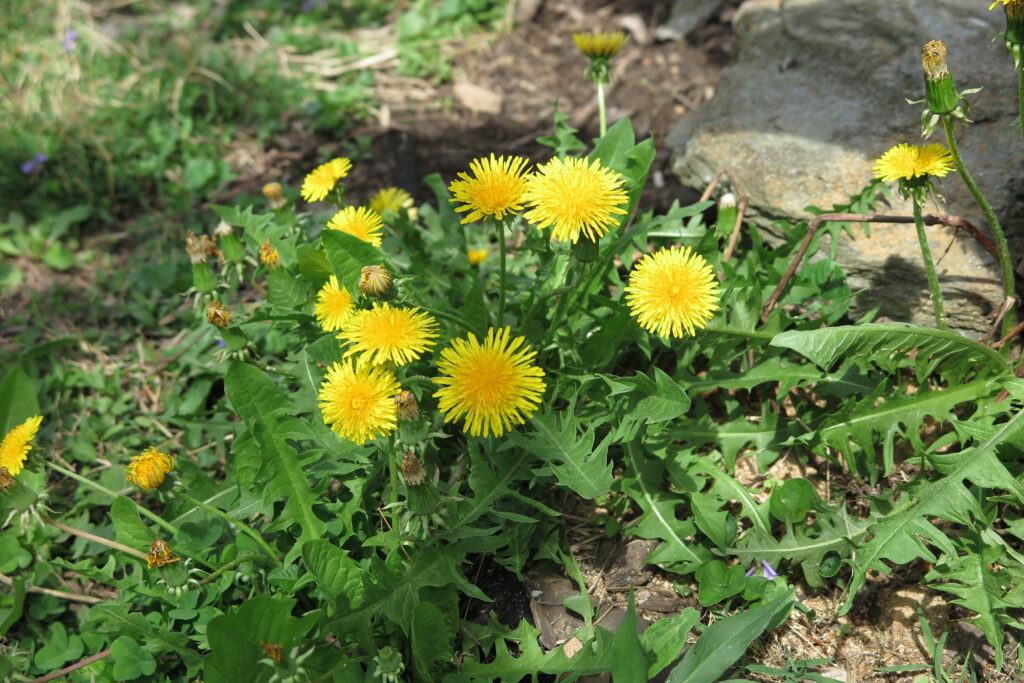
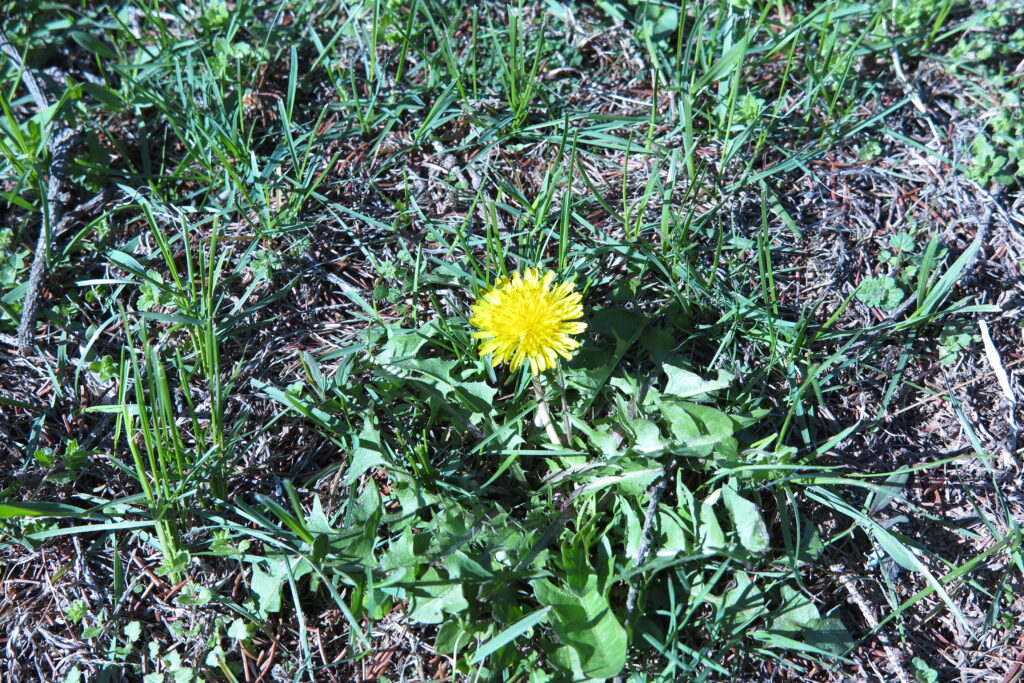
Dandelions thrive in a surprisingly diverse collection of environments. Open grassy areas represent some of their most familiar growing locations, where they often appear scattered among turfgrass and other low-growing vegetation. Their bright flowers can transform ordinary lawns into patches of yellow during peak blooming periods.
Meadows and open fields frequently support healthy dandelion populations. In these settings, the plants benefit from abundant sunlight and reduced competition from taller vegetation. Large flowering displays may develop where conditions remain favorable throughout the growing season.
Roadsides and pathways also provide suitable growing environments. Disturbed soil along transportation corridors creates opportunities for dandelions to establish new populations. Their ability to colonize these areas helps explain why they are commonly observed during travel through both urban and rural landscapes.
The species also performs well in gardens, vacant lots, parks, and suburban green spaces. Some plants appear in highly maintained environments, while others thrive in locations that receive little direct management. This versatility allows dandelions to occupy both cultivated and natural settings.
Within these environments, dandelions often favor open areas over heavily shaded locations. They commonly flourish along edges where sunlight remains readily available. A field margin, sidewalk border, or garden edge may support larger populations than densely shaded interior spaces where light becomes limited.
Environmental Conditions That Support Common Dandelions
One reason for the dandelion’s success is its tolerance for a wide range of environmental conditions. The species grows in many soil types, including loam, sandy soils, clay-rich ground, and heavily disturbed substrates. Unlike plants that require highly specialized soil chemistry, dandelions remain relatively flexible in their requirements.
Moderate soil moisture generally supports vigorous growth, but the plant can also tolerate periods of dryness once established. Its deep taproot helps access water below the surface, allowing survival during conditions that may stress shallower-rooted vegetation. This characteristic contributes significantly to the plant’s resilience.
Dandelions perform best in locations receiving ample sunlight. Full sun often produces abundant flowering and healthy foliage development. However, the species can also persist in partial shade, particularly where surrounding vegetation does not completely block available light.
The plant is well suited to temperate climates that experience seasonal variation. It can withstand cold winters, warm summers, and changing weather conditions throughout the year. This adaptability allows populations to remain established across regions that experience considerable environmental fluctuations.
A useful comparison is to imagine the environmental flexibility of a plant equivalent to a general-purpose tool. While some species function best under highly specific circumstances, dandelions succeed under a broad range of conditions. Their ability to tolerate varied soils, moisture levels, climates, and sunlight exposure helps explain why they have become one of the most widespread flowering plants in the world.
Popular Searches About Dandelions
Explore Dandelion Guide
Explore More Plants

Support Encounters World
Help support wildlife photography and get behind the scenes discoveries on Patreon.