Are Dandelions Invasive? Distribution, Spread, and Ecological Impact Guide
Quick Facts
Plant Type: Perennial Wildflower
Invasive Status: Introduced in many regions, not universally classified as invasive
Spread Method: Wind-dispersed seeds and persistent taproot
Growth Habit: Aggressive colonizer of disturbed areas
Environmental Impact: Low to Moderate depending on region
Management Difficulty: Moderate
Native Range: Europe and Asia
Are Dandelions Invasive? Introduction and Global Expansion
The common dandelion (Taraxacum officinale) is one of the most widespread flowering plants in the world. Originally native to Europe and parts of Asia, it has successfully established populations across much of North America and many other temperate regions. Its remarkable expansion has led many people to question whether the species should be considered invasive.
Unlike plants that remain confined to their native range, dandelions have accompanied human activity for centuries. As people traveled and settled new areas, the plant expanded alongside them. Today, it can be found growing in countless landscapes far beyond its original geographic boundaries.
The term “invasive” is often applied broadly, but not every abundant non-native plant qualifies as a true invasive species. Some plants spread aggressively while causing significant ecological disruption, whereas others simply become common components of existing landscapes. Dandelions frequently occupy a position somewhere between these two perspectives depending on the region being discussed.
Because the species is so familiar, opinions about its impact often vary widely. Gardeners may view it as a persistent weed, while pollinator enthusiasts may appreciate its flowers. Understanding whether dandelions are invasive requires examining their distribution, spread, ecological influence, and interactions with native plant communities.
Dandelion Distribution and Widespread Success
One reason dandelions are frequently associated with invasiveness is their extraordinary distribution. The species now occurs across vast portions of North America, Europe, Asia, Australia, and New Zealand. Few flowering plants have achieved such widespread geographic success.
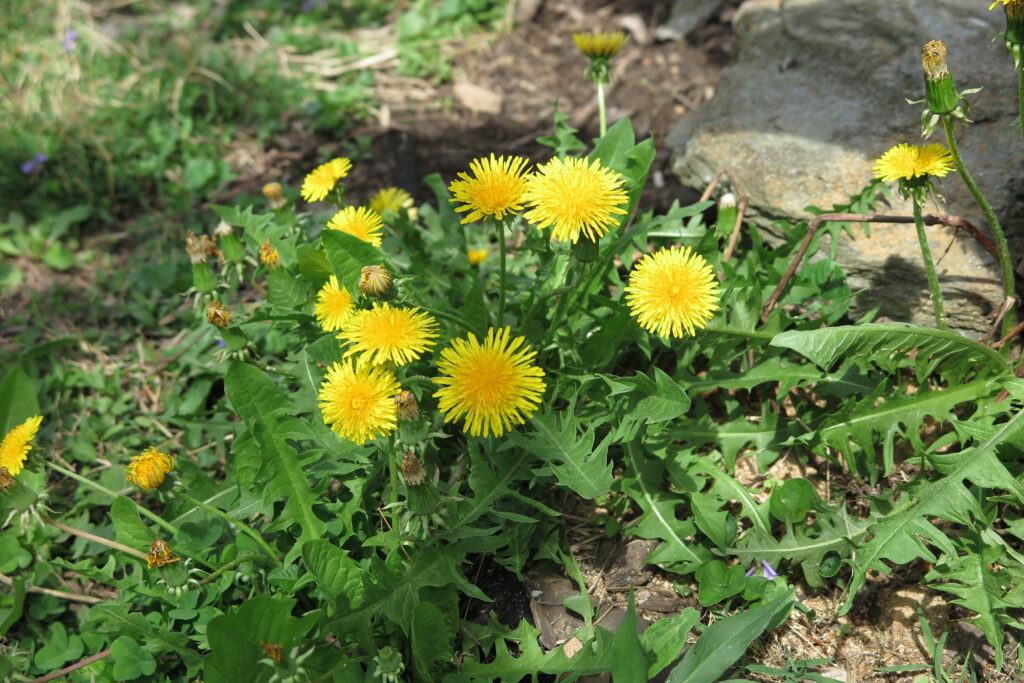
The plant thrives in environments heavily influenced by human activity. Lawns, roadsides, parks, gardens, agricultural fields, and vacant lots often provide ideal opportunities for establishment. As a result, dandelions frequently become among the first plants people notice in developed landscapes.
Compared with many native wildflowers that remain restricted to specific habitats, dandelions display remarkable flexibility. They can tolerate a wide range of temperatures, soil conditions, and levels of disturbance. This adaptability allows populations to persist in locations where more specialized plants struggle.
Another factor contributing to their success is visibility. Bright yellow flowers and white seed heads make dandelions highly noticeable even when present in relatively small numbers. This visibility often creates the impression that populations are larger than they actually are.
A useful comparison is to think of dandelions as ecological opportunists. Rather than dominating untouched wilderness, they frequently take advantage of open spaces created by mowing, construction, foot traffic, or soil disturbance. Their success stems largely from their ability to exploit opportunities that many other plants cannot.
Characteristics That Contribute to Dandelion Spread
Several characteristics help explain why dandelions spread so effectively. One of the most important is seed dispersal. Each mature seed head contains numerous lightweight seeds equipped with parachute-like structures that allow them to travel on air currents.
These floating seeds can move considerable distances from the parent plant. A single gust of wind may carry seeds across lawns, fields, roadsides, or garden beds. This efficient dispersal mechanism enables the species to colonize newly available spaces with remarkable speed.
The plant also benefits from its persistent taproot. Even when leaves or flowers are removed, the underground root often survives. This ability allows established plants to recover after mowing, grazing, or other forms of disturbance that might eliminate less resilient species.
Rapid establishment further contributes to its success. Once seeds germinate, young plants quickly develop the characteristic rosette form that helps them compete for space. Their low-growing structure often allows them to persist in frequently maintained landscapes such as lawns and parks.
Compared with many invasive plants that spread through extensive underground runners or dense thickets, dandelions rely primarily on mobility and persistence. Their strategy resembles a steady expansion rather than an overwhelming takeover. This distinction is important when evaluating their ecological role.
Identifying Dandelions and Understanding Their Ecological Impact
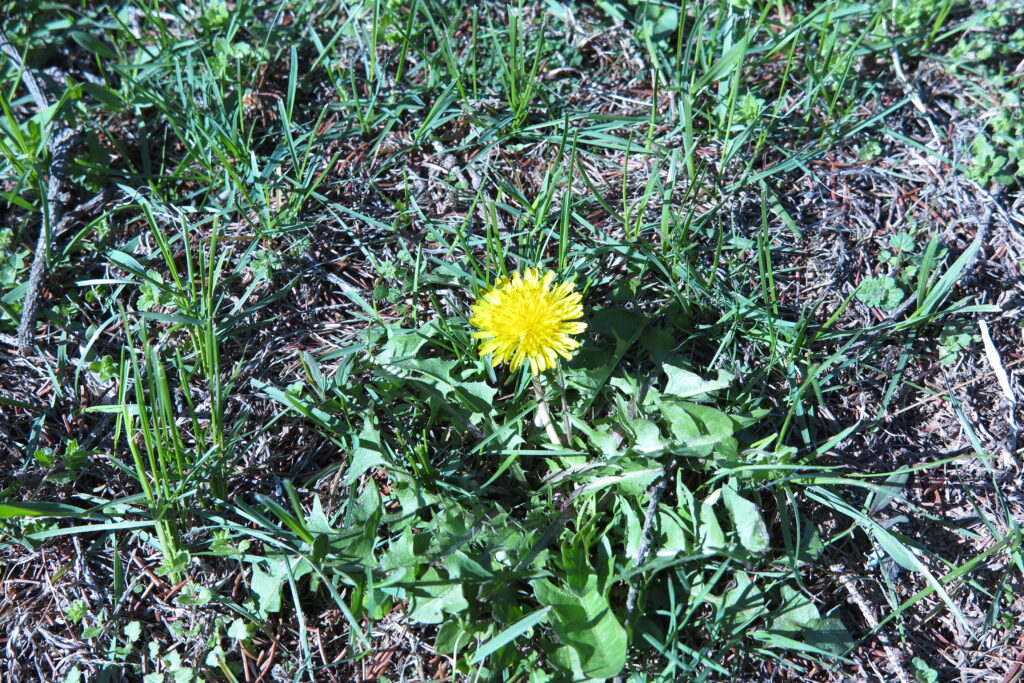
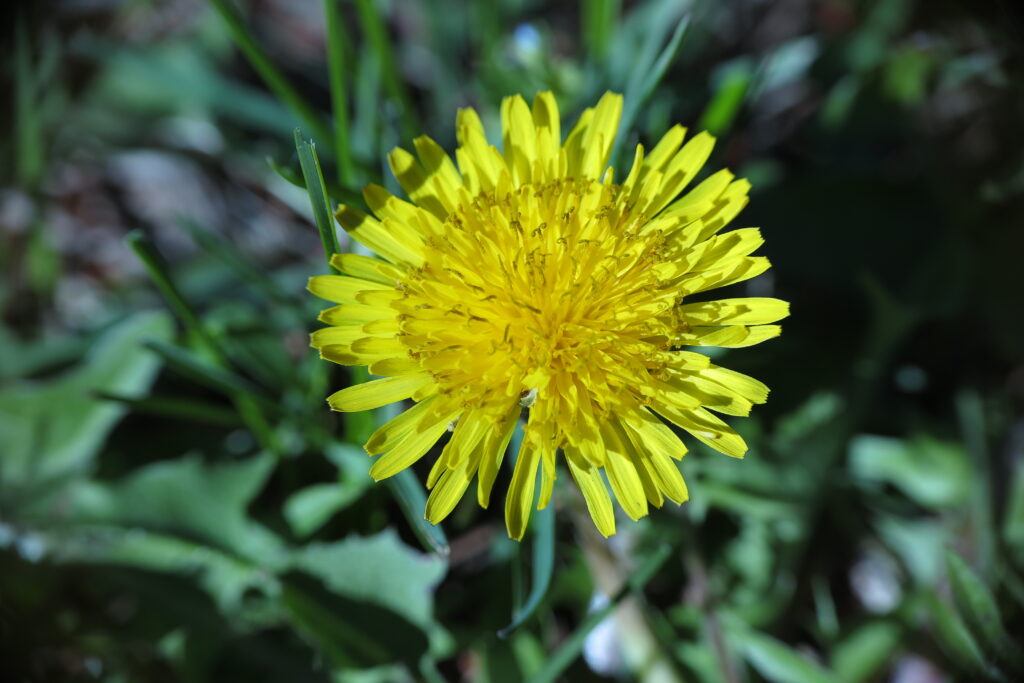
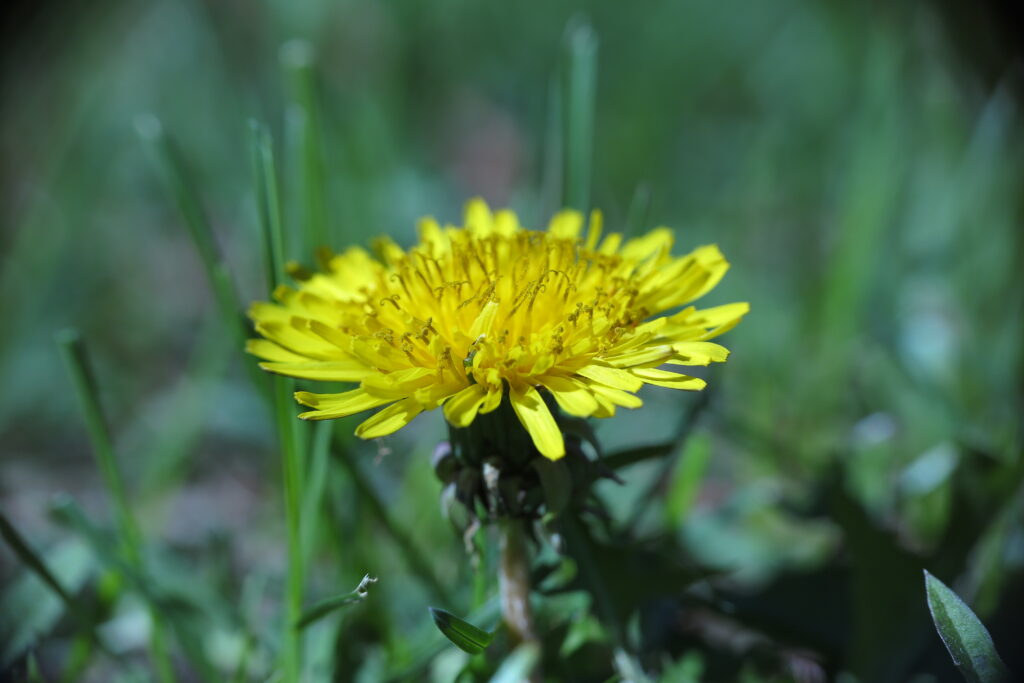
Correct identification is essential when discussing invasiveness because several similar species are commonly mistaken for dandelions. True dandelions produce deeply toothed leaves arranged in a basal rosette. Their bright yellow flowers emerge individually on smooth, hollow stems without branching.
After flowering, the plant develops its famous white seed head. The nearly spherical cluster of wind-borne seeds serves as one of the most recognizable features in the plant kingdom. This structure plays a central role in the species’ ability to spread across landscapes.
In ecological terms, dandelions are often considered naturalized rather than severely invasive in many regions. They are widespread and non-native, but they do not typically form dense monocultures that completely exclude other vegetation. Their impact is generally less dramatic than highly invasive species such as kudzu, Japanese knotweed, or purple loosestrife.
Nevertheless, dandelions can compete with desired vegetation in lawns, gardens, and managed landscapes. Their persistence may increase maintenance requirements for property owners seeking uniform turfgrass or ornamental plantings. This practical impact is one reason the species is frequently viewed as problematic.
A balanced assessment recognizes that dandelions occupy a complex position. They are non-native in many areas, spread efficiently, and establish readily, yet they also provide floral resources for pollinators and rarely transform ecosystems to the extent seen in major invasive species. Understanding this distinction helps place the common dandelion within a broader ecological context.
Popular Searches About Dandelions
Explore Dandelion Guide
Explore More Plants

Support Encounters World
Help support wildlife photography and get behind the scenes discoveries on Patreon.