Dandelion Uses Guide: Common Uses, Benefits, and Practical Applications
Quick Facts
Primary Uses: Food, beverages, ornamental, pollinator support
Edible Parts: Leaves, flowers, roots
Traditional Applications: Culinary and herbal uses
Wildlife Value: Supports pollinators and insects
Garden Use: Pollinator-friendly flowering plant
Human Use History: Centuries of documented use
Native Range: Europe and Asia
Dandelion Uses Introduction and Historical Importance
The common dandelion (Taraxacum officinale) has been valued by people for centuries despite often being dismissed as a common weed. Native to Europe and parts of Asia, the plant spread throughout much of the temperate world and became closely associated with human settlements. Along the way, people discovered numerous practical uses for its leaves, flowers, and roots.
Unlike many wild plants that serve a single purpose, dandelions have been incorporated into food, beverages, gardens, and traditional practices. Their widespread availability made them especially useful in regions where cultivated crops were not always readily available. This versatility helped establish the species as one of the most frequently utilized wildflowers in many cultures.
Throughout history, dandelions have appeared in both rural and urban environments. People harvested them from fields, meadows, gardens, and open spaces, often taking advantage of the plant’s abundance. Because it grows across such a large geographic range, many communities developed their own unique ways of using it.
Today, dandelions remain one of the most recognizable useful wild plants in the world. Interest in foraging, pollinator gardening, and traditional plant knowledge has renewed appreciation for the species. Understanding the various uses of dandelions reveals why this familiar plant continues to attract attention beyond its bright yellow flowers.
Common Dandelion Uses Around the World
One of the most widespread uses of dandelions involves food preparation. The plant has long been collected as an edible wild green, with leaves, flowers, and roots all finding their way into various recipes. This broad culinary value sets it apart from many other common lawn plants.
Leaves are often incorporated into salads, cooked dishes, and vegetable blends. Their slightly bitter flavor provides contrast when mixed with milder ingredients. In some regions, dandelion greens are treated much like spinach, kale, or other leafy vegetables.
The flowers have also earned a place in traditional recipes. Bright yellow petals are sometimes used in jellies, syrups, baked goods, and decorative culinary applications. Their color adds visual interest, making them popular in recipes where appearance is as important as flavor.
Roots represent another significant use. In several cultures, roasted dandelion roots have been prepared as a beverage ingredient. The resulting drink is frequently compared to coffee because of its dark appearance and roasted character, though it possesses its own distinctive qualities.
Compared with many common wildflowers, dandelions provide a greater variety of usable plant parts. Few species offer edible leaves, flowers, and roots simultaneously. This flexibility has contributed significantly to the plant’s longstanding popularity.
Distinctive Characteristics That Make Dandelions Useful
Several physical and biological traits contribute to the usefulness of dandelions. One of the most important is their abundance. Because the species occurs across large portions of the temperate world, people can often locate it without difficulty. Availability has played a major role in the plant’s historical significance.
Another advantage is the number of usable plant parts. The leaves, flowers, and roots each possess different characteristics that support different applications. This diversity allows a single plant to serve multiple purposes rather than providing only one useful feature.
The bright flowers also offer ecological value. Their blooms attract bees, butterflies, and numerous other pollinating insects. In landscapes where few flowers are available, dandelions may provide an important source of nectar and pollen for visiting insects.
Dandelions are additionally valued for their visual appeal. Their golden blooms create noticeable displays in open spaces and can add color to lawns and gardens. Some gardeners intentionally allow dandelions to flower because of the benefits they provide to pollinators.
A useful comparison is to think of the plant as a multi-purpose tool rather than a single-purpose object. While many plants excel in only one area, dandelions contribute food, wildlife resources, ornamental value, and traditional uses. This combination helps explain why they have remained important throughout history.
Recognizing Dandelions for Practical and Everyday Uses
Accurate identification is essential before using any wild plant. Fortunately, dandelions possess several recognizable features that make them relatively easy to identify in the field. Observing multiple characteristics helps ensure confidence when distinguishing them from similar species.
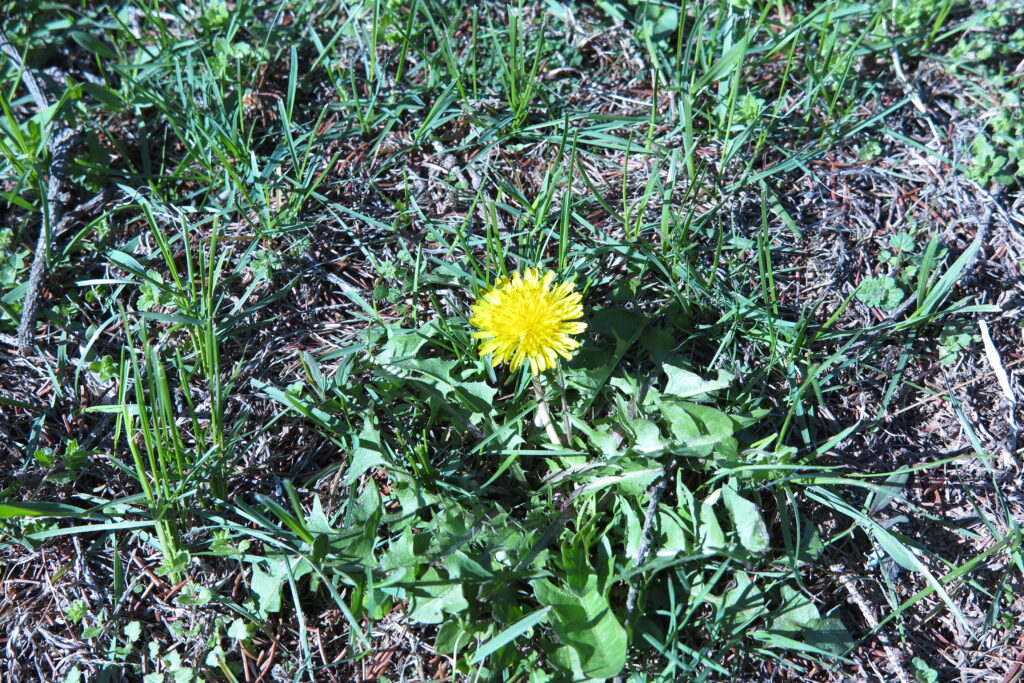
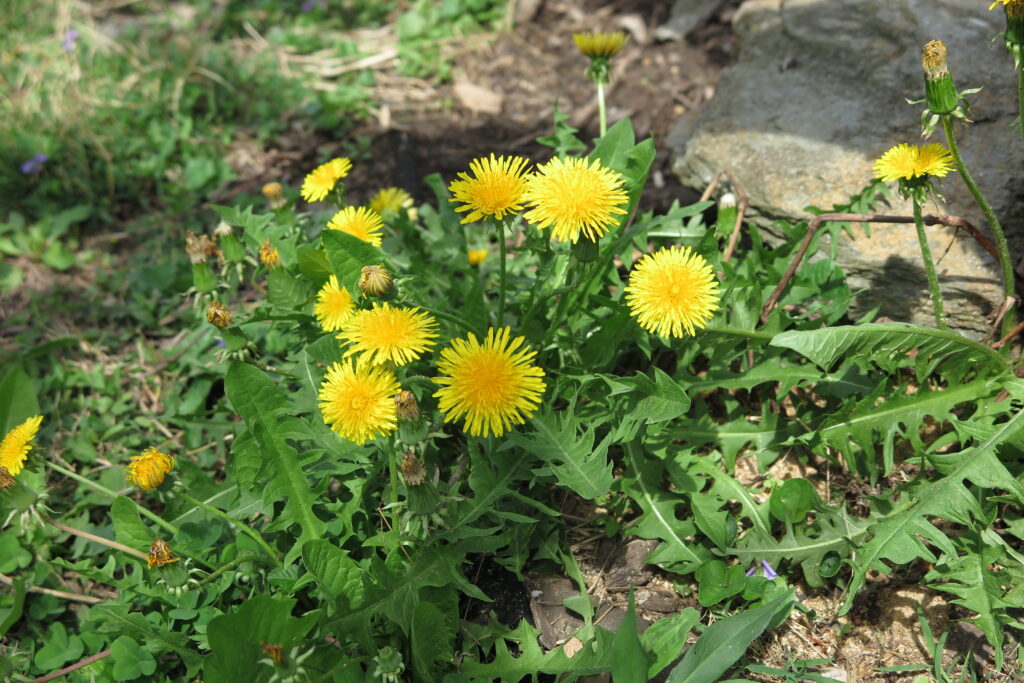
The plant typically forms a low rosette of deeply toothed leaves that emerge directly from the ground. These leaves create a circular arrangement around the center of the plant. Their jagged shape is often one of the first identifying features people notice.
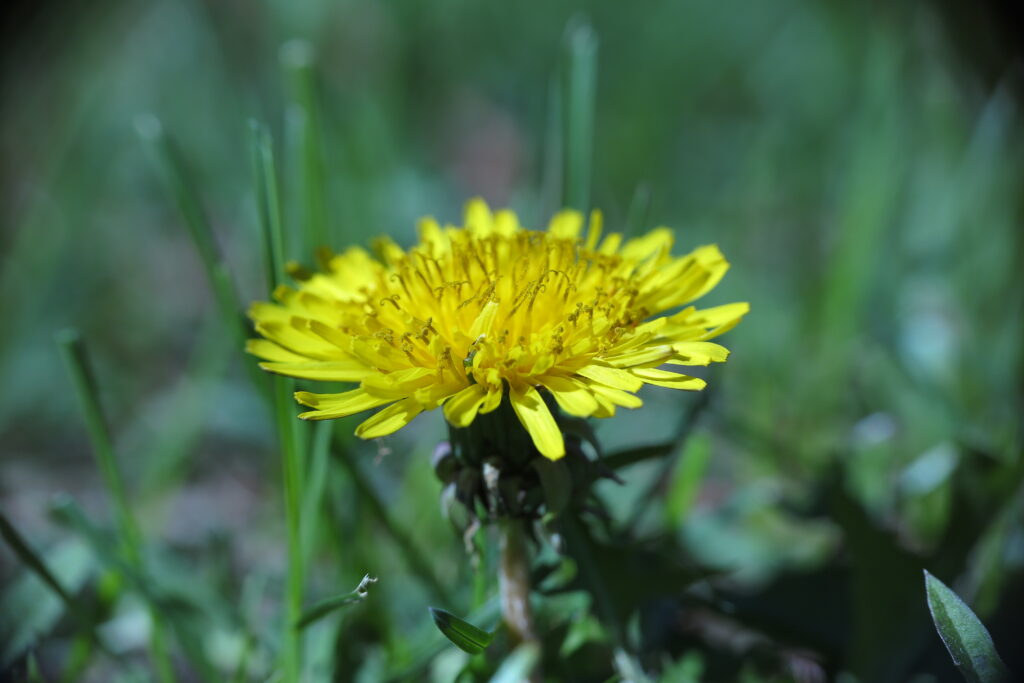
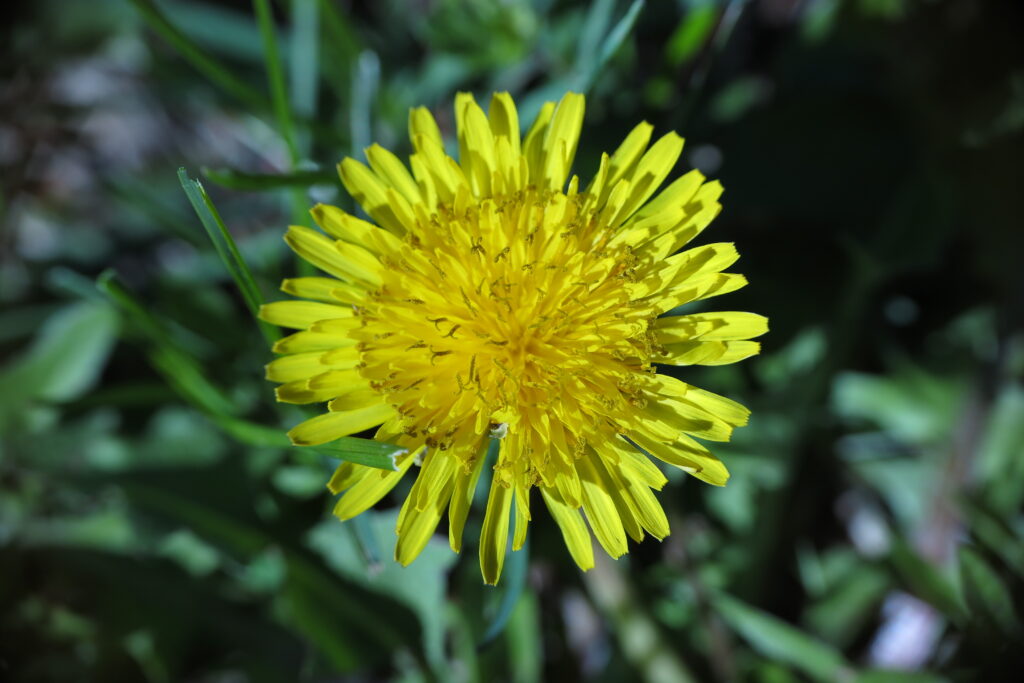
Bright yellow flower heads rise on smooth, hollow, leafless stems. Each stem generally supports a single flower rather than a cluster. This arrangement helps separate true dandelions from some look-alike species that produce branching stems or multiple blooms.
Following flowering, the plant develops its well-known white seed head. The spherical cluster of parachute-like seeds is one of the most recognizable structures in the plant world. This stage often provides additional confirmation when identifying the species.
A practical way to recognize a useful dandelion is to look for the complete combination of toothed leaves, solitary yellow flowers, hollow stems, and white seed heads. When these features occur together, identification is usually straightforward. Correct identification ensures that the plant’s many traditional and modern uses can be appreciated with confidence.
Popular Searches About Dandelions
Explore Dandelion Guide
Explore More Plants

Support Encounters World
Help support wildlife photography and get behind the scenes discoveries on Patreon.