Dandelion Identification Guide: How to Identify Dandelions by Leaves, Flowers, and Structure
Quick Facts
Leaf Shape: Deeply lobed, toothed, lance-shaped
Stem Type: Hollow, leafless flowering stalk
Root System: Deep taproot
Flower Structure: Composite flower head with numerous yellow ray florets
Growth Form: Basal rosette
Texture: Smooth to slightly coarse foliage
Color Variations: Bright yellow flowers, medium to dark green leaves, white seed heads
Dandelion Identification and Recognition Overview
The common dandelion (Taraxacum officinale) is one of the easiest wildflowers to recognize, yet it is also one of the most frequently confused with similar yellow-flowered plants. Native to Europe and Asia but now found across much of the temperate world, it has become a familiar sight in lawns, parks, roadsides, fields, and gardens. Its widespread distribution means many people encounter it regularly, even if they never stop to examine its identifying features.
At first glance, the plant appears simple. Bright yellow flowers rise above a low cluster of green leaves, creating a distinctive appearance that stands out against grass and surrounding vegetation. This familiar image has made the dandelion one of the most recognizable flowering plants in North America and many other regions.
Although many people can identify a dandelion from a distance, closer observation reveals several characteristics that separate it from look-alike species. Features such as leaf shape, stem structure, root type, and flower arrangement provide reliable clues for identification. Learning these details helps distinguish true dandelions from plants such as catsear, sow thistle, and false dandelions.
When viewed as a whole, the species presents a consistent appearance regardless of location. Whether growing beside a sidewalk, in an open meadow, or among lawn grasses, the plant maintains the same recognizable form. This consistency makes it an excellent species for learning basic plant identification skills.
Dandelion Physical Structure and Overall Growth Form
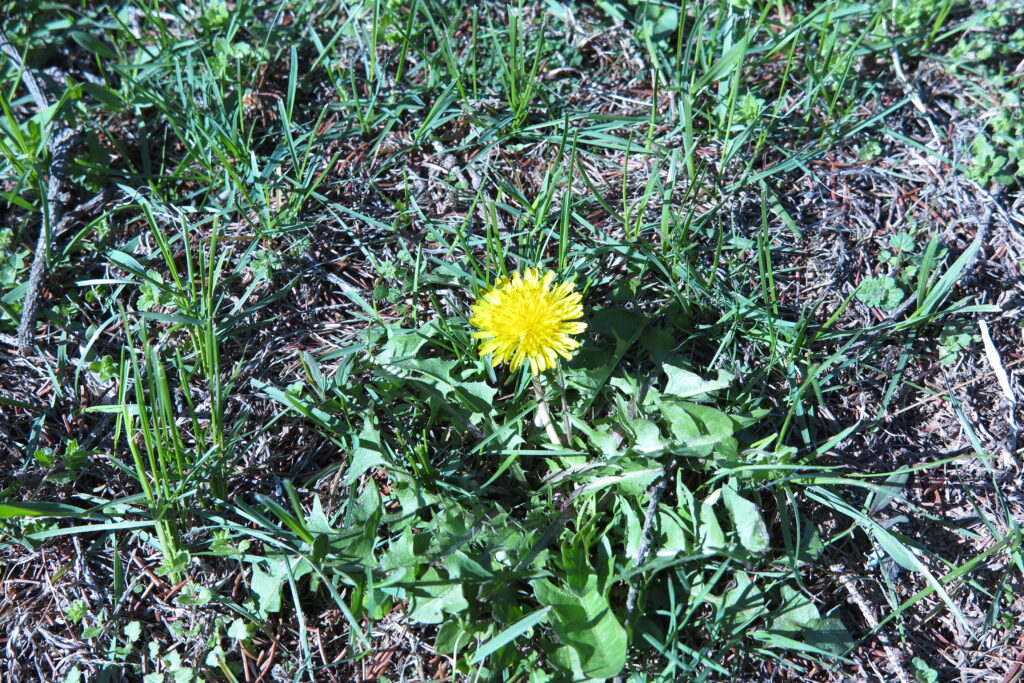
The overall structure of a dandelion is compact and low-growing. Rather than producing an upright central stem with branches, the plant develops as a basal rosette, meaning all leaves emerge from a single point at ground level. This arrangement creates a circular growth pattern that spreads outward close to the soil surface.
Most mature plants remain relatively short, with the foliage rarely extending far above surrounding grasses. The flower stalks provide the only significant vertical growth, rising above the leaf cluster to display the bright flower heads. This combination creates a plant that appears both grounded and highly visible.
Viewed from above, a mature dandelion often resembles a green wheel with spokes radiating from its center. The leaves spread outward in all directions, creating a balanced form that efficiently occupies available space. This structure helps the plant remain stable while maximizing access to sunlight.
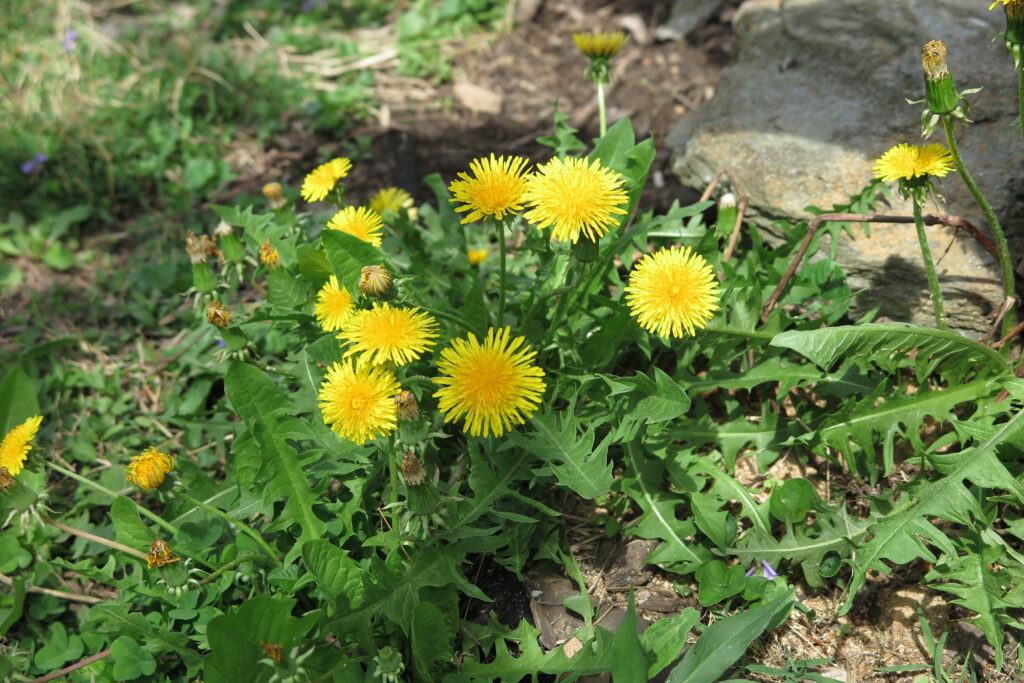
In natural settings, individual dandelions may occur alone or as part of dense groups. A cluster of plants can create a low carpet of green foliage punctuated by yellow blooms. Compared to taller wildflowers that form upright stands, dandelions remain close to the ground and blend naturally into surrounding vegetation.
One useful comparison is to imagine a small green fountain emerging directly from the soil. The leaves flow outward at the base while flower stalks rise vertically from the center. This overall appearance is one of the most reliable visual clues when identifying the species in the field.
Dandelion Leaf, Stem, and Root Characteristics
The leaves are among the most distinctive features of the dandelion. They are typically long, narrow, and deeply lobed, with pointed sections extending outward along each side. These tooth-like projections often point backward toward the center of the plant, creating the characteristic appearance that inspired the common name.
Leaf coloration ranges from medium green to dark green depending on environmental conditions. The surface is generally smooth, though some plants may display slight texture or variation along the margins. Individual leaves can vary in size, but they usually maintain the same recognizable shape throughout the plant.
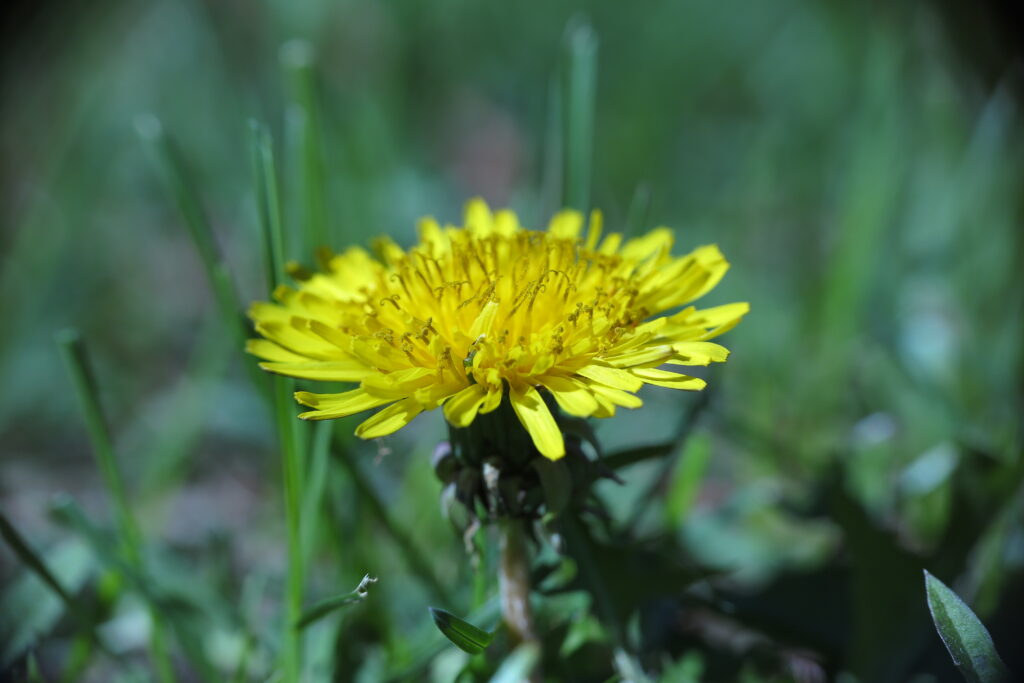
The flowering stems differ significantly from the leaves. They are smooth, hollow, and completely leafless, extending upward from the center of the rosette. Unlike many similar yellow-flowered plants that branch or support multiple flowers, each dandelion stem typically carries a single flower head.
Breaking a stem often reveals a hollow interior and a milky white sap. These characteristics provide valuable identification clues when uncertainty exists. Few common lawn plants combine both features in the same way.
Below the surface, the plant develops a strong taproot. Rather than spreading through a network of shallow roots, the dandelion sends a thick central root downward into the soil. This structure resembles a narrow carrot and serves as an important storage organ that helps the plant survive adverse conditions.
Dandelion Flowers and Seed Head Identification Features
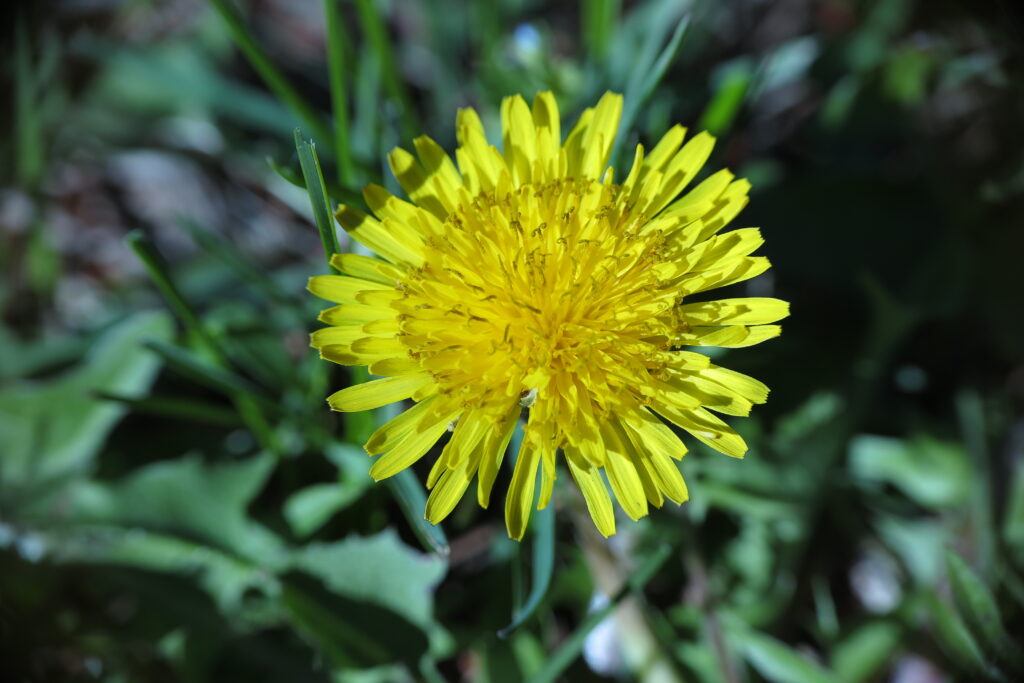
The flower head is perhaps the most recognizable part of the dandelion. What appears to be a single flower is actually a composite structure made up of numerous tiny yellow florets packed closely together. These florets form a circular head that resembles a miniature sun when fully open.
Flower color is usually a rich golden yellow, making the blooms highly visible against green vegetation. Individual flower heads open during favorable daylight conditions and close when weather becomes poor or light levels decrease. This behavior gives the plant a slightly different appearance throughout the day.
After flowering, the plant develops one of its most famous identifying features: the seed head. As the yellow florets fade, the flower transforms into a nearly perfect white sphere composed of numerous attached seeds. Each seed possesses a delicate parachute-like structure that helps carry it through the air.
The seed head often resembles a small puffball or a carefully crafted white globe. Even people unfamiliar with plant identification frequently recognize this stage because of its association with blowing seeds into the wind. Few other common lawn plants produce such a symmetrical and distinctive seed structure.
When identifying dandelions, observing both flowers and seed heads provides strong confirmation. The combination of bright yellow composite flowers and rounded white seed spheres is difficult to confuse once recognized. Together, these reproductive structures help make the common dandelion one of the most easily identified plants in the world.
Popular Searches About Dandelions
Explore Dandelion Guide
Explore More Plants

Support Encounters World
Help support wildlife photography and get behind the scenes discoveries on Patreon.