Are Dandelions Edible? Complete Guide to Edible Dandelion Leaves, Flowers, and Roots
Quick Facts
Edible Status: Edible
Edible Parts: Leaves, flowers, roots
Flavor Profile: Bitter to mildly sweet depending on plant part
Traditional Uses: Salads, teas, cooked greens, coffee substitutes
Preparation Methods: Raw, cooked, dried, brewed
Toxicity: Non-toxic to humans when properly identified
Native Range: Europe and Asia
Are Dandelions Edible? Introduction to This Familiar Wild Plant
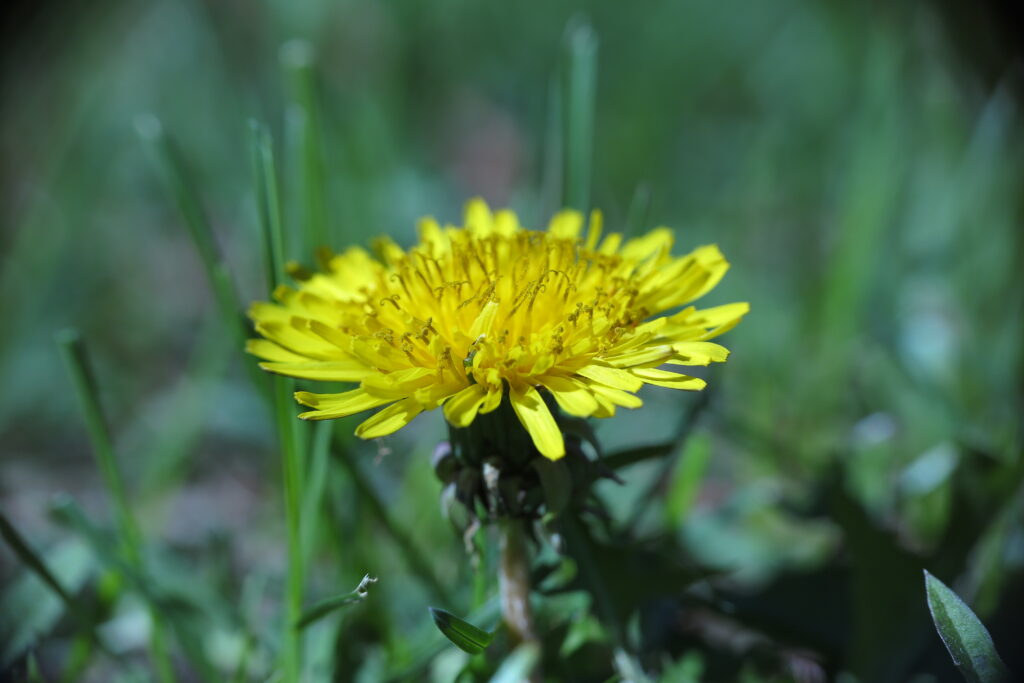
The common dandelion (Taraxacum officinale) is one of the most recognizable plants in the world, yet many people are surprised to learn that it is also edible. Found across much of North America, Europe, Asia, Australia, and other temperate regions, this familiar yellow-flowered plant has a long history of use as both a food source and a traditional herbal ingredient. Its widespread presence has allowed generations of people to become familiar with its potential uses.
Unlike many wild plants that require specialized knowledge to identify, dandelions are often easy to recognize. Their bright flowers and distinctive leaf clusters make them familiar sights in lawns, gardens, meadows, and open spaces. Because they are so common, they are frequently one of the first wild edible plants people learn about.
Throughout history, different cultures have incorporated dandelions into everyday meals. Leaves, flowers, and roots have all been collected and prepared in various ways. This versatility has contributed to the plant’s reputation as one of the most useful edible wildflowers found across temperate regions.
Despite their popularity among foragers, proper identification remains important. Many people overlook dandelions because they are so common, but understanding their edible qualities begins with recognizing the plant correctly. Once identified, dandelions offer several edible parts that can be used in a variety of culinary applications.
Edible Parts of the Dandelion Plant
One of the reasons dandelions are so widely valued is that nearly every major part of the plant can be used. The leaves, flowers, and roots each possess unique characteristics that make them useful for different purposes. Unlike many plants that provide only a single edible feature, dandelions offer multiple options from a single specimen.
The leaves are perhaps the most commonly consumed portion. Young leaves are often harvested for salads and fresh preparations because they tend to be less bitter than mature foliage. Their flavor is frequently compared to arugula or other leafy greens that possess a slightly sharp taste.
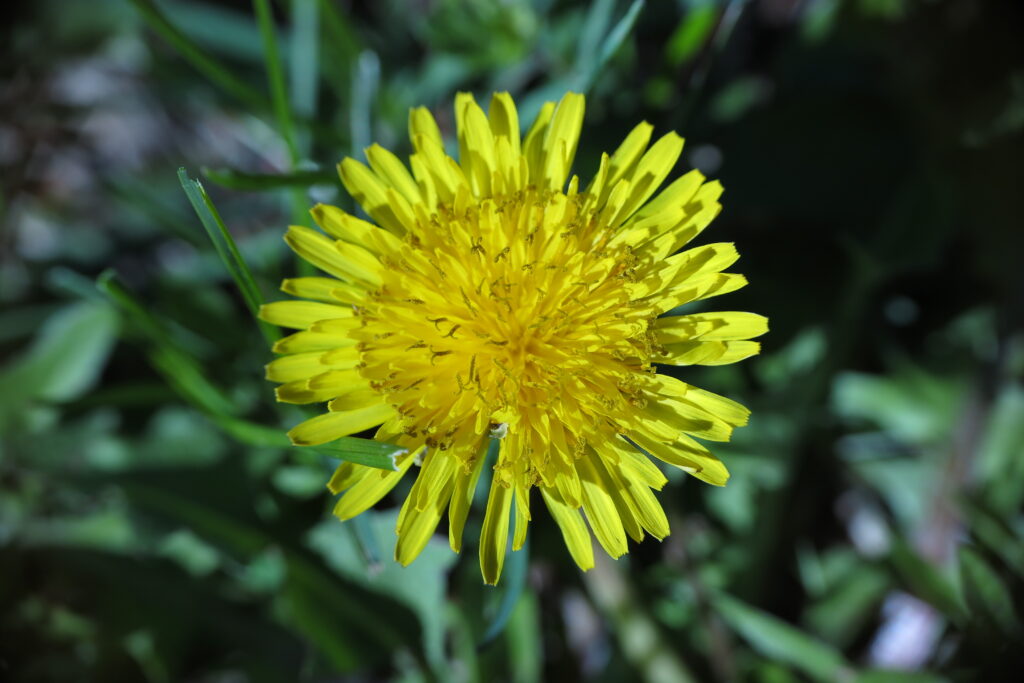
Dandelion flowers are also edible and have been used in a variety of recipes. Their bright yellow petals can be added to salads, baked goods, jellies, and beverages. The petals contribute color and visual appeal while offering a mild flavor that differs noticeably from the leaves.
The root provides another edible component. When cleaned and prepared, dandelion roots can be cooked, dried, or roasted. Roasted roots are especially well known because they have traditionally been used as a coffee substitute in some regions.
A useful way to think about the plant is as a natural three-part food source. The leaves function as greens, the flowers provide colorful edible blooms, and the roots serve as a usable underground ingredient. Few common wild plants offer such a wide range of edible options.
Dandelion Culinary Characteristics and Flavor Profile
Dandelions are often described as having a flavor that changes depending on which part of the plant is consumed. This variation makes the species particularly interesting from a culinary perspective. Different plant parts contribute distinct textures and tastes to recipes.
The leaves typically possess the strongest flavor. Many people describe them as pleasantly bitter, especially when compared to cultivated lettuce. Younger leaves are generally milder, while older leaves can develop a more pronounced bitterness that some people compare to certain specialty greens.
Flower petals tend to be much milder. Their flavor is often subtle and slightly sweet when compared to the foliage. Because of their bright appearance, flowers are frequently valued as much for visual presentation as for taste.
Roots provide a completely different experience. Once roasted, they develop deeper earthy notes that differ significantly from the leaves and flowers. This transformation has led many people to use roasted roots in warm beverages and traditional preparations.
Compared to many edible weeds, dandelions offer a wider range of culinary possibilities. A single plant can contribute ingredients for salads, teas, cooked dishes, baked goods, and beverages. This versatility helps explain why the species has remained popular among foragers and gardeners for generations.
How to Identify Edible Dandelions Safely
Before consuming any wild plant, accurate identification is essential. Fortunately, dandelions possess several characteristics that make them relatively easy to recognize. Observing multiple identifying features helps ensure confidence before harvesting.
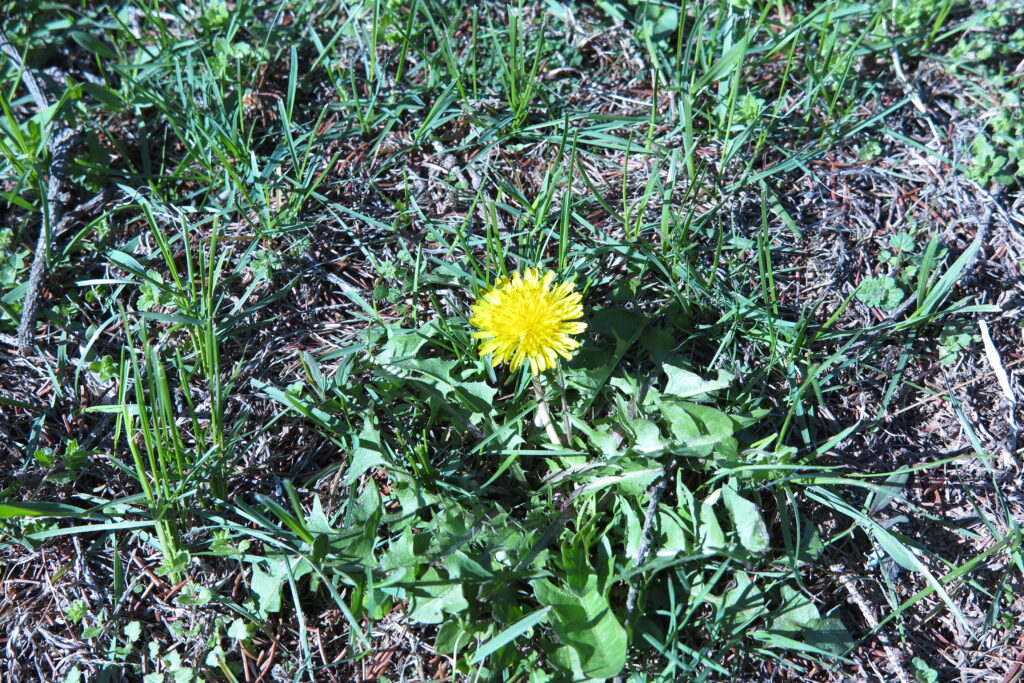
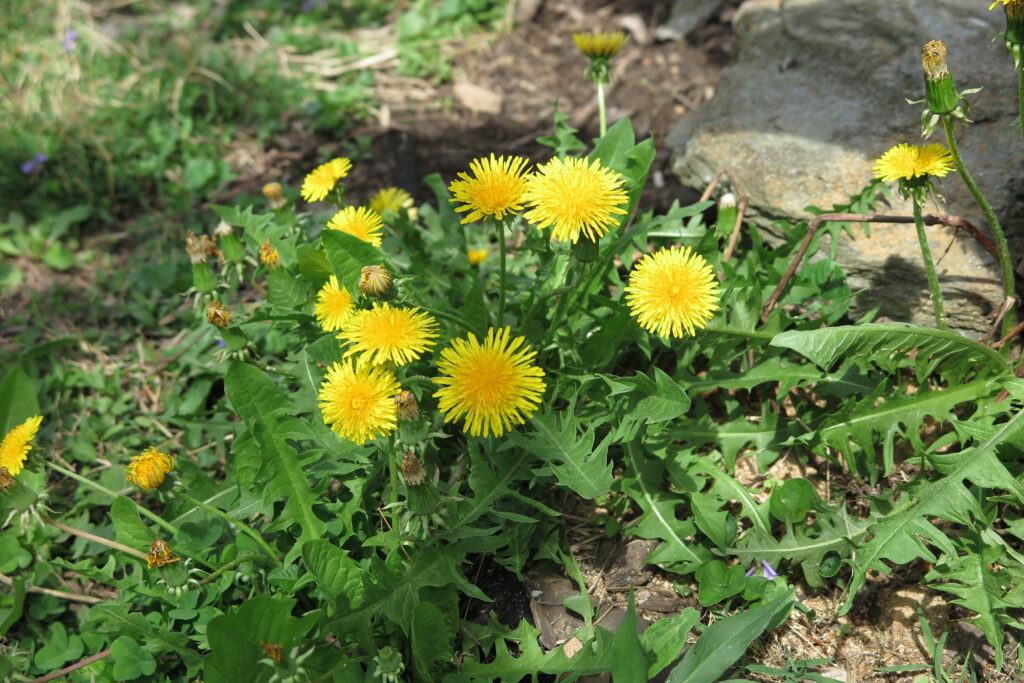
The plant typically forms a low-growing rosette of deeply toothed leaves. These leaves emerge directly from the base rather than growing along an upright stem. Their jagged appearance is one of the easiest features to recognize in the field.
Flowering plants produce bright yellow flower heads supported by smooth, leafless stems. Each stem generally supports a single flower. This differs from several look-alike species that may display branching stems or multiple flowers along the same stalk.
After flowering, the plant develops its well-known white seed head. The nearly spherical cluster of parachute-like seeds provides another useful identification clue. Few common lawn plants produce such a distinctive structure.
One of the most important safety considerations is avoiding plants that may have been exposed to pesticides, herbicides, roadside pollutants, or other contaminants. Even correctly identified dandelions should only be harvested from clean locations. Proper identification and responsible collection practices help ensure that edible dandelions remain a safe and enjoyable wild food resource.
Popular Searches About Dandelions
Explore Dandelion Guide
Explore More Plants

Support Encounters World
Help support wildlife photography and get behind the scenes discoveries on Patreon.