Dandelion Pollinators Guide: What Pollinators Visit Dandelions and Why They Matter
Quick Facts
Primary Pollinators: Bees, butterflies, flies, beetles
Pollinator Value: High
Nectar Source: Yes
Pollen Source: Yes
Flower Color: Bright Yellow
Bloom Season: Spring through Fall
Native Range: Europe and Asia
Dandelion Pollinators Introduction and Ecological Importance
The common dandelion (Taraxacum officinale) is often viewed as a simple lawn flower, yet it plays an important role in supporting pollinating insects. Native to Europe and Asia and now widespread throughout much of the temperate world, the species has become one of the most familiar flowering plants available to pollinators. Its bright blooms frequently appear in places where insects can easily locate them.
Across parks, fields, roadsides, gardens, and residential lawns, dandelions provide a consistent source of floral resources. Their flowers attract a wide variety of insects, many of which rely on flowering plants for food. Because dandelions are so common, they often serve as one of the most accessible nectar and pollen sources in everyday landscapes.
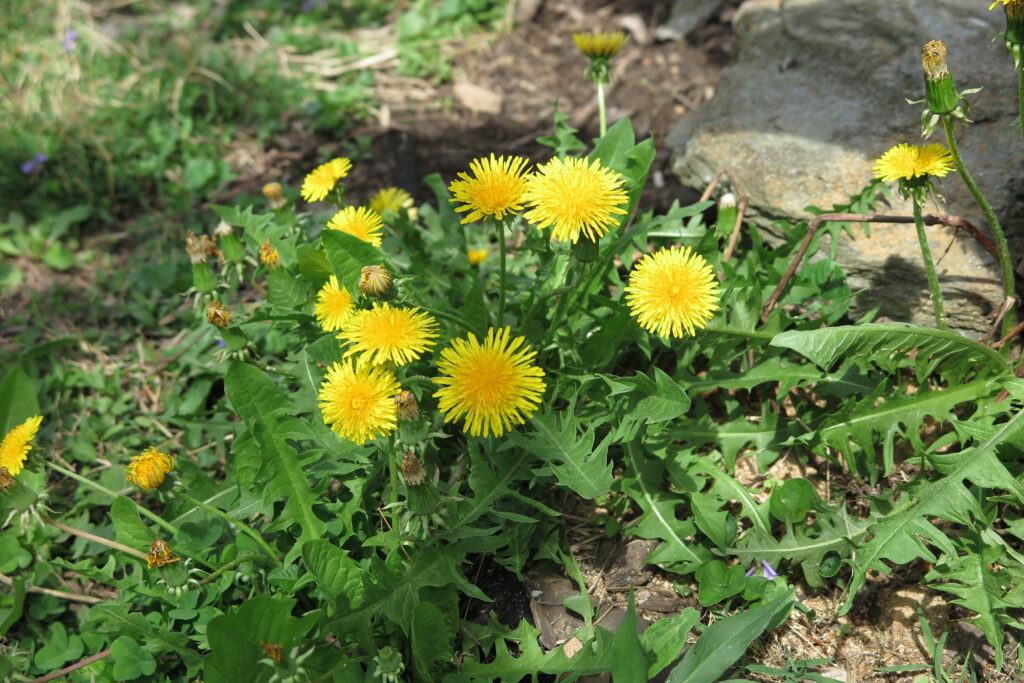
Many people overlook the ecological value of dandelions because of their abundance. However, the plant’s widespread distribution means it contributes resources across enormous geographic areas. A single flowering patch may support dozens of visiting insects throughout the day.
The relationship between dandelions and pollinators demonstrates how even common plants can contribute to local biodiversity. While the species may not be native everywhere it grows, its flowers are frequently visited by insects searching for food. Understanding these interactions helps explain why dandelions remain important components of many ecosystems.
Dandelion Flowers and Their Attraction to Pollinators
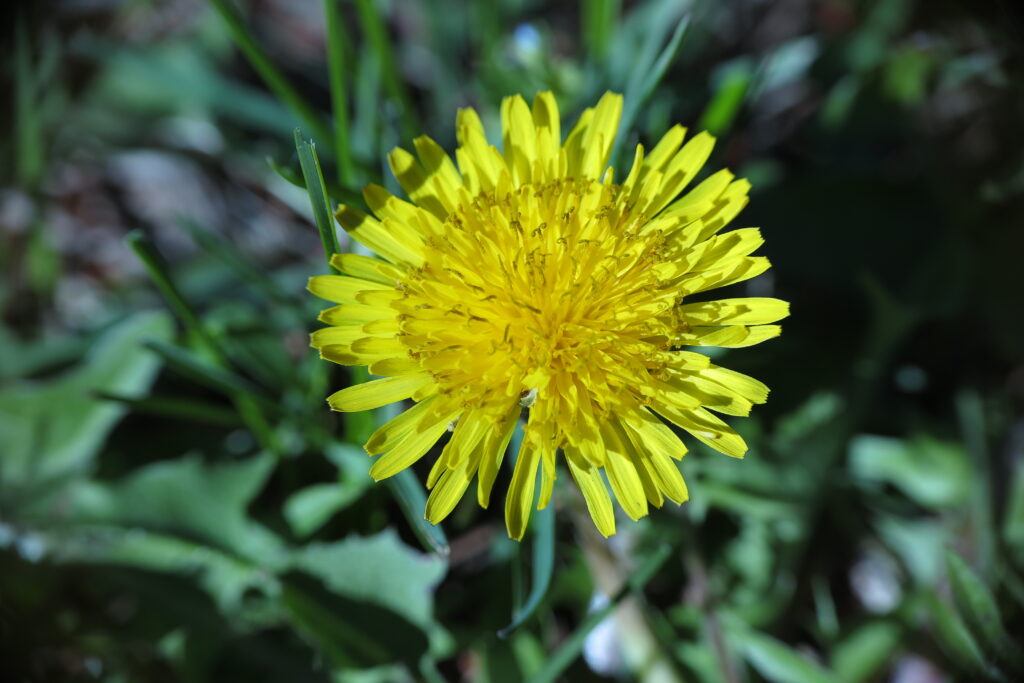
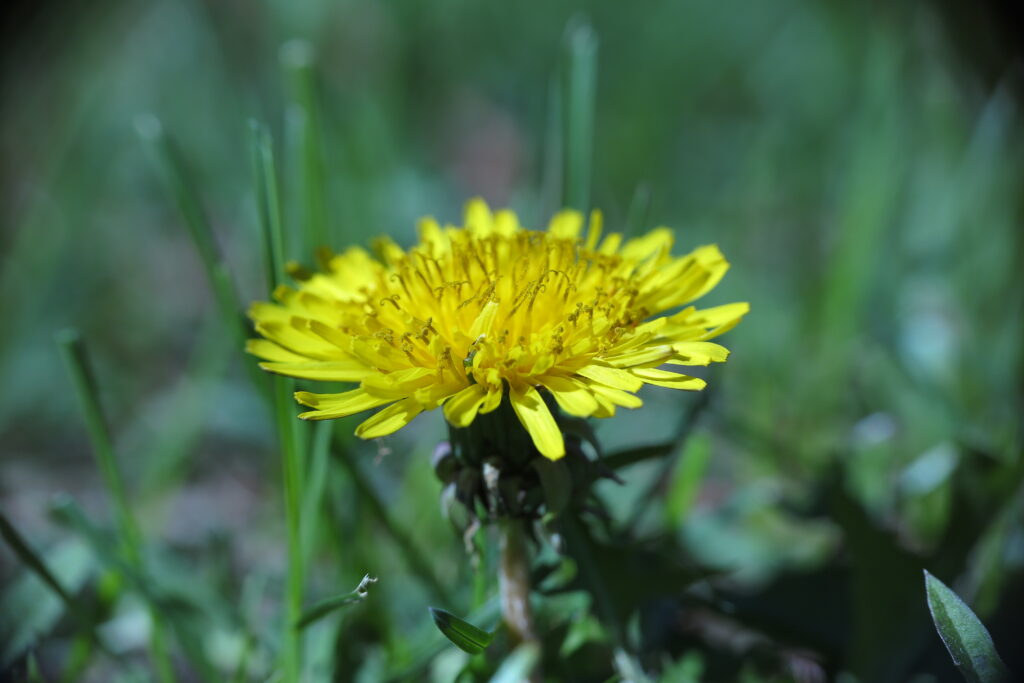
Dandelion flowers are highly visible to pollinating insects. Their bright yellow coloration stands out against surrounding vegetation, making them easy targets for insects flying overhead. This visual contrast helps pollinators locate blooms quickly while searching for nectar and pollen.
Unlike flowers that remain hidden within dense vegetation, dandelion blooms are often positioned above surrounding grass. Their elevated display creates a noticeable signal that can be detected from a distance. In open landscapes, large groups of flowering dandelions may create broad patches of yellow that attract repeated insect visits.
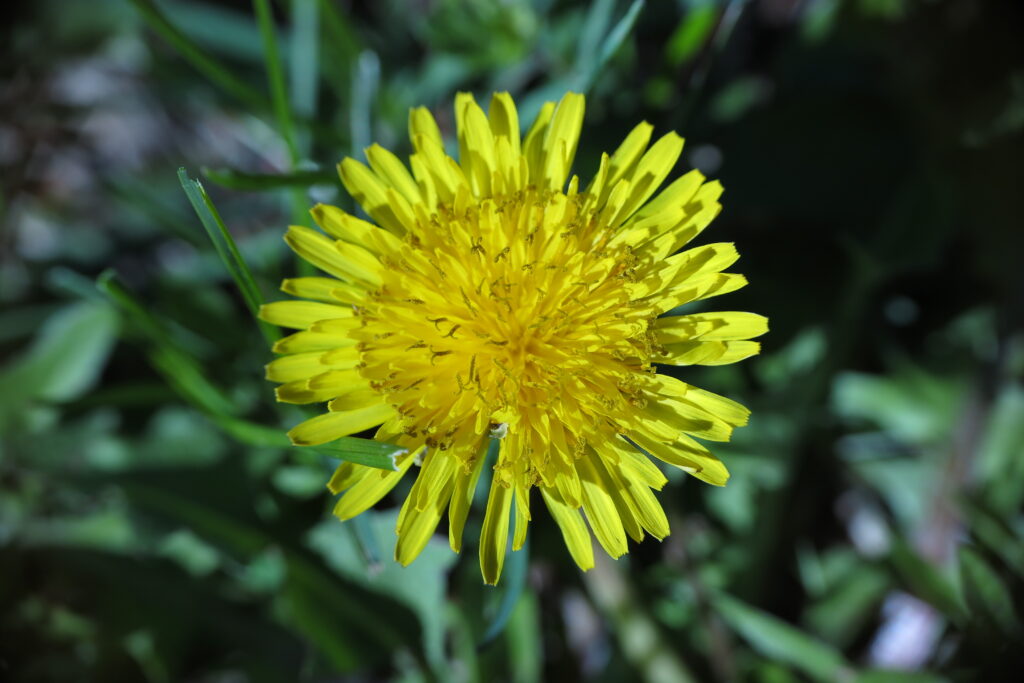
The flower head itself contains numerous tiny florets packed into a single circular structure. This arrangement creates a concentrated feeding area where insects can access resources efficiently. Rather than moving between many small flowers, a pollinator can visit multiple florets within a single bloom.
Another factor contributing to pollinator interest is the plant’s long flowering period. Dandelions may bloom across extended portions of the growing season, providing repeated opportunities for insects to feed. This prolonged availability helps make the species a dependable resource in many locations.
A useful comparison is to imagine a roadside rest stop for traveling insects. The bright flowers act as highly visible markers, while the nectar and pollen provide the resources visitors need. This combination of visibility and accessibility contributes significantly to the plant’s pollinator value.
Common Pollinators That Visit Dandelions
Bees are among the most frequent visitors to dandelion flowers. Honey bees, bumble bees, and numerous native bee species regularly collect pollen and nectar from the blooms. Their visits often occur throughout daylight hours whenever flowers remain open and weather conditions are favorable.
Butterflies may also utilize dandelions as feeding stations. While not every butterfly species visits the plant regularly, many individuals take advantage of the readily available nectar. The broad flower surface provides a convenient landing platform for feeding insects.
Various fly species are commonly observed on dandelion flowers as well. Hover flies, in particular, often visit the blooms while searching for nectar. Although flies are sometimes overlooked as pollinators, they can contribute meaningfully to pollination activity in many habitats.
Beetles and other insects occasionally visit dandelions too. Some species feed directly on floral resources, while others use the flower heads as temporary resting places. This diversity of visitors demonstrates that the plant supports more than just a narrow group of pollinators.
Compared with flowers that attract only specialized insects, dandelions appeal to a broad range of species. Their accessibility allows many different pollinators to benefit from the resources they provide. This generalist strategy helps explain why the blooms remain so active during flowering periods.
How to Observe Pollinators on Dandelion Flowers
One of the easiest ways to identify pollinator activity is simply to watch flowering dandelions on a warm day. Bright yellow blooms often attract insects within minutes, especially when multiple flowers are present in the same area. Patience and careful observation frequently reveal surprising levels of activity.
Bees are often the most obvious visitors because they move deliberately between flowers while collecting resources. Their bodies may become coated with yellow pollen during feeding. Observing these pollen-covered insects provides a clear indication of the flower’s value to pollinator communities.
Butterflies typically display different behavior. Rather than moving rapidly between florets, they often pause on the flower surface while extending their feeding structures into the bloom. Their larger size and colorful wings make them particularly easy to spot.
Hover flies can sometimes be mistaken for small bees because of their similar coloration. However, their flight behavior often differs noticeably. They may hover motionless above flowers before landing briefly to feed, creating a distinctive observation opportunity.
A practical way to appreciate dandelion pollinators is to imagine each flower as a small wildlife observation platform. By watching a patch of blooms for several minutes, visitors can often observe multiple insect species interacting with the same resource. These repeated visits highlight the important role dandelions play in supporting pollinating insects throughout much of their range.
Popular Searches About Dandelions
Explore Dandelion Guide
Explore More Plants

Support Encounters World
Help support wildlife photography and get behind the scenes discoveries on Patreon.