Dandelion Facts Guide: 25 Fascinating Facts About Dandelions, Their Uses, and Identification
Quick Facts
Plant Type: Perennial Wildflower
Family: Asteraceae (Daisy Family)
Average Height: 2–18 inches (5–45 cm)
Bloom Color: Bright Yellow
Flower Type: Composite Flower Head
Native Range: Europe and Asia
Edible Status: Edible
Dandelion Facts Introduction and Overview
The common dandelion (Taraxacum officinale) is one of the most recognizable flowering plants in the world. Its bright yellow flowers, distinctive leaves, and iconic white seed heads have made it familiar to generations of people across multiple continents. Despite being considered a weed by some, the species possesses a fascinating natural history that extends far beyond lawns and gardens.
Originally native to Europe and parts of Asia, dandelions now occur throughout much of the temperate world. They have adapted successfully to a wide variety of environments and are commonly encountered in both urban and rural landscapes. Their widespread presence has allowed them to become one of the most studied and recognizable wildflowers on Earth.
Many people interact with dandelions without realizing how unusual the plant truly is. Features such as its flower structure, seed dispersal system, and deep taproot distinguish it from many other common flowering plants. These characteristics have contributed significantly to its ecological and cultural importance.
This guide explores some of the most interesting facts about dandelions, from their scientific classification and physical characteristics to their relationship with people and wildlife. Understanding these details helps reveal why such a familiar plant continues to attract attention from gardeners, naturalists, and researchers alike.
Interesting Facts About Dandelion Characteristics
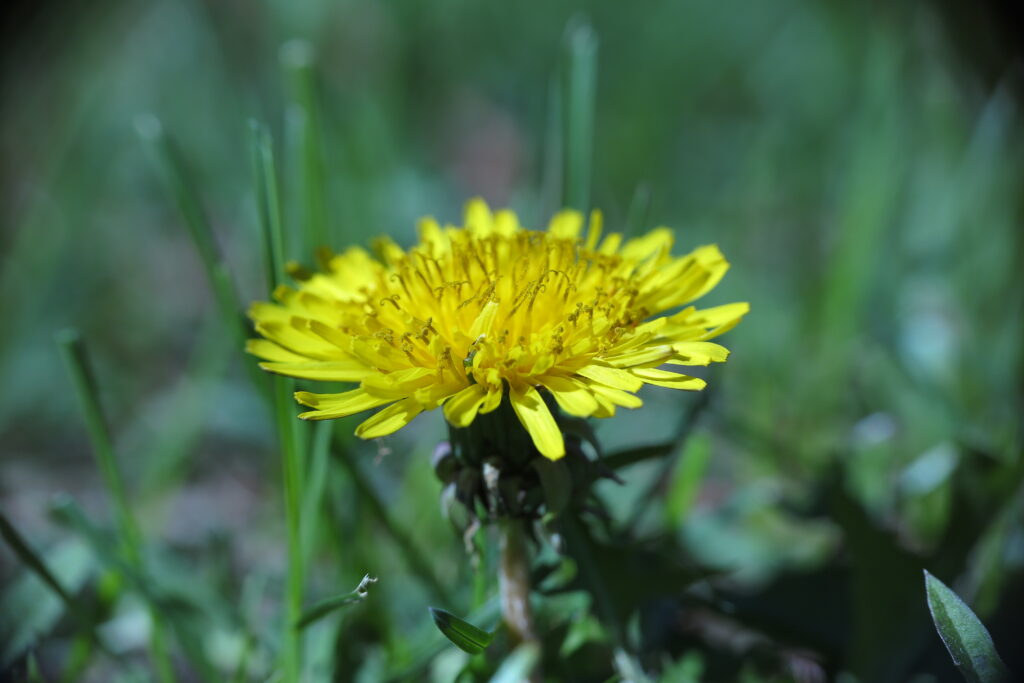
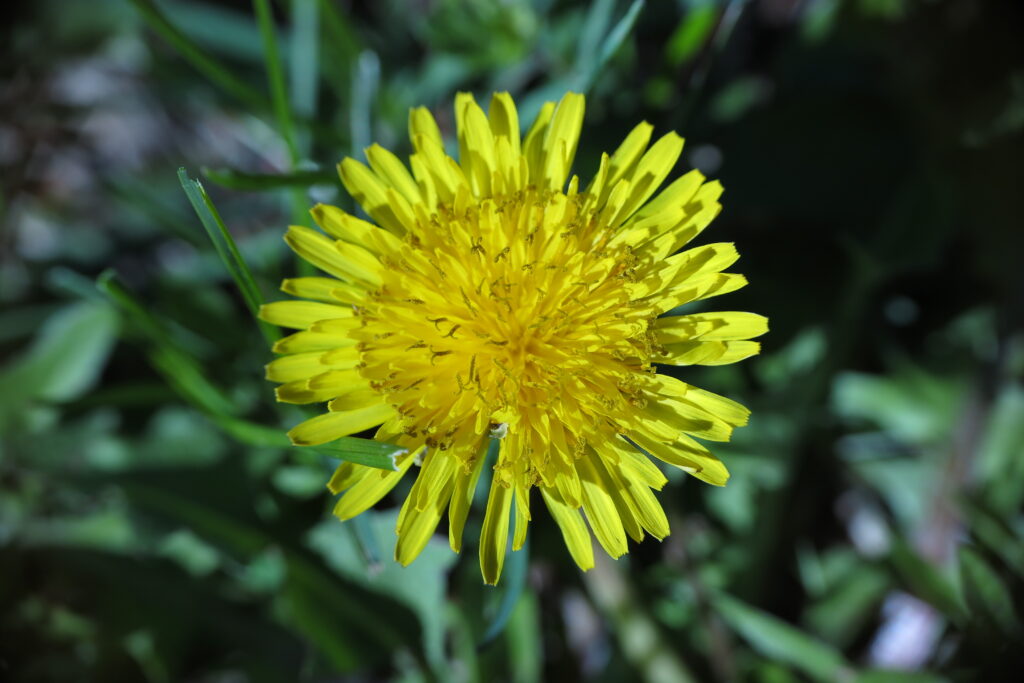
One surprising fact is that a dandelion “flower” is not actually a single flower. The bright yellow bloom is composed of hundreds of tiny individual florets packed together into a single flower head. This arrangement is shared with many members of the daisy family but often goes unnoticed.
Another interesting characteristic is the plant’s famous taproot. While the visible portion of the dandelion remains relatively small, the root can extend surprisingly deep below the surface. This underground structure helps the plant access water and survive challenging conditions.
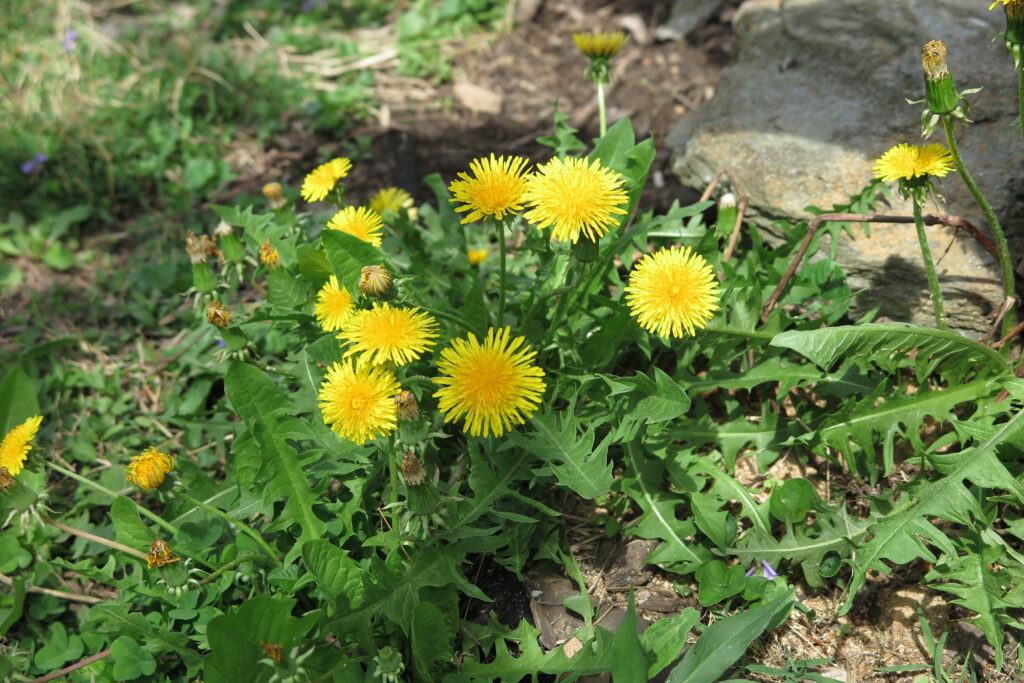
Dandelion leaves inspired the plant’s common name. The word “dandelion” originated from a French phrase meaning “lion’s tooth,” a reference to the sharply toothed appearance of the foliage. The jagged leaf margins remain one of the species’ most recognizable features.
The flower heads follow a daily rhythm. During favorable conditions they open fully to display their bright yellow florets, while poor weather or darkness often causes them to close. This behavior gives the plant a changing appearance throughout the day.
Perhaps most famous is the white seed head that develops after flowering. These nearly perfect spheres contain numerous parachute-equipped seeds ready to travel on the wind. Few plant structures are as instantly recognizable as a mature dandelion seed head.
Dandelion Facts About Uses and Ecological Value
Dandelions have been used by people for centuries. The leaves, flowers, and roots are all considered edible when properly identified and collected from clean locations. This makes the species one of the most widely recognized edible wild plants.
The flowers provide important resources for pollinating insects. Bees, butterflies, hover flies, and other visitors frequently use dandelions as sources of nectar and pollen. Their blooms often attract noticeable insect activity during flowering periods.
Roasted dandelion roots have traditionally been used as a coffee substitute in some regions. While the resulting beverage differs from coffee, it remains one of the plant’s most well-known historical uses. This demonstrates the versatility of different plant parts.
Another notable fact is the plant’s adaptability. Dandelions can grow in lawns, fields, gardens, roadsides, and numerous other environments. Their ability to thrive in diverse conditions has contributed significantly to their global success.
Compared with many common wildflowers, dandelions provide an unusually broad range of benefits. They offer food for people, resources for pollinators, and visual interest through much of the growing season. This combination helps explain why the species remains so widely appreciated despite its reputation as a weed.
How to Identify Dandelions and Common Misconceptions
One of the most common misconceptions is that every yellow lawn flower is a dandelion. Several species, including catsear, sow thistle, and false dandelion, can appear similar from a distance. Careful observation is necessary for accurate identification.
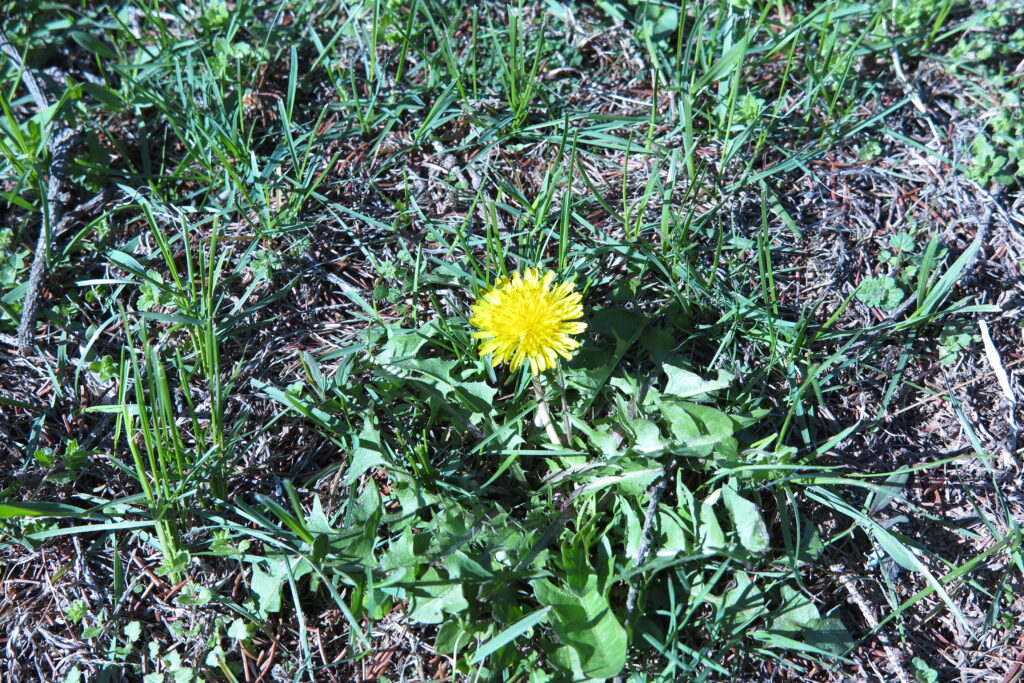
True dandelions produce deeply toothed leaves arranged in a basal rosette. These leaves emerge directly from the ground rather than from an upright stem. Their distinctive shape remains one of the most useful identification features.
Flowering stems provide another important clue. Dandelions typically produce a single flower on each smooth, hollow, leafless stem. Many look-alike species develop branching stems or support multiple flowers along the same stalk.
After flowering, the plant forms its famous white seed head. This spherical structure consists of numerous seeds attached to delicate parachute-like bristles. The combination of yellow flowers and white seed heads makes the species easy to recognize during different stages of development.
A useful fact to remember is that successful identification relies on observing several characteristics together rather than focusing on a single feature. Deeply toothed leaves, hollow stems, solitary flowers, and spherical seed heads collectively provide strong confirmation. When these traits appear together, observers can confidently identify a true dandelion.
Popular Searches About Dandelions
Explore Dandelion Guide
Explore More Plants

Support Encounters World
Help support wildlife photography and get behind the scenes discoveries on Patreon.