Early Saxifrage Growth Guide: Growth Rate, Development, Reproduction, and Life Cycle
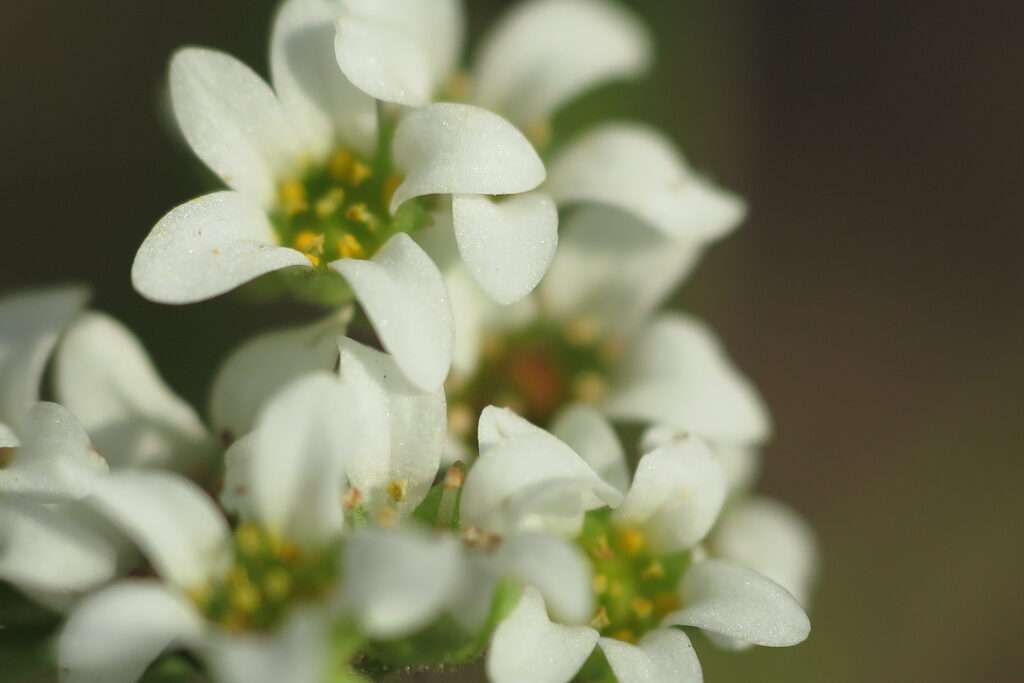
Quick Facts
Growth Rate: Moderate
Growth Pattern: Clumping, Upright
Reproduction Method: Seeds
Dormancy Period: Late Fall Through Winter
Sunlight Needs: Partial Shade to Full Sun
Water Needs: Moderate
Seasonal Changes: Spring Growth and Flowering, Summer Foliage, Winter Dormancy
Early Saxifrage Development Throughout the Year
Early Saxifrage (Micranthes virginiensis) is a perennial wildflower recognized for its ability to emerge and flower during the early stages of the growing season. Native to eastern North America, the species has adapted to environments that experience clear seasonal transitions. Its annual cycle reflects these changing conditions and contributes to its success across a broad geographic range.
Many native spring wildflowers rely on precise seasonal timing, and Early Saxifrage is no exception. The plant begins active growth when temperatures start rising after winter, taking advantage of favorable conditions before surrounding vegetation becomes fully developed. This strategy allows it to complete important stages of development during a relatively short window.
Observers often notice how quickly the plant becomes visible once spring arrives. Seemingly dormant patches suddenly produce fresh foliage and flowering stems, creating a noticeable transformation across the landscape. This seasonal reappearance is one of the defining characteristics of the species.
Although the plant remains modest in size, its yearly progression follows a predictable pattern. Growth, flowering, seed production, and dormancy occur in sequence, creating a cycle that repeats annually. Understanding this process provides valuable insight into how Early Saxifrage survives and persists across generations.
Early Saxifrage Growth Rate and Seasonal Development
Early Saxifrage is generally considered a moderate-growing perennial. It does not spread aggressively across landscapes, yet it establishes dependable populations that return year after year. Growth occurs steadily rather than rapidly, allowing the plant to maintain stable colonies over long periods.
Development begins early in the growing season when dormant plant tissues become active. Fresh leaves emerge first, followed by the elongation of flowering stems. These stages occur relatively quickly once environmental conditions become favorable, giving the plant a head start before many later-season species begin active growth.
The flowering period represents one of the most important phases of development. During this time, energy that has been stored during previous seasons supports the production of stems and blossoms. The resulting floral display marks the peak of visible growth for the year.
A useful comparison is a carefully planned schedule rather than a sudden burst of activity. Some plants expand rapidly and continuously throughout the growing season, but Early Saxifrage follows a more measured progression. Its development is efficient, predictable, and closely tied to seasonal conditions.
Following flowering, growth gradually slows as resources are redirected toward maintaining foliage and supporting seed production. As temperatures rise later in the year, visible activity becomes less dramatic. The plant then prepares for dormancy and the eventual arrival of the next growing season.
Physical Growth Patterns and Plant Structure
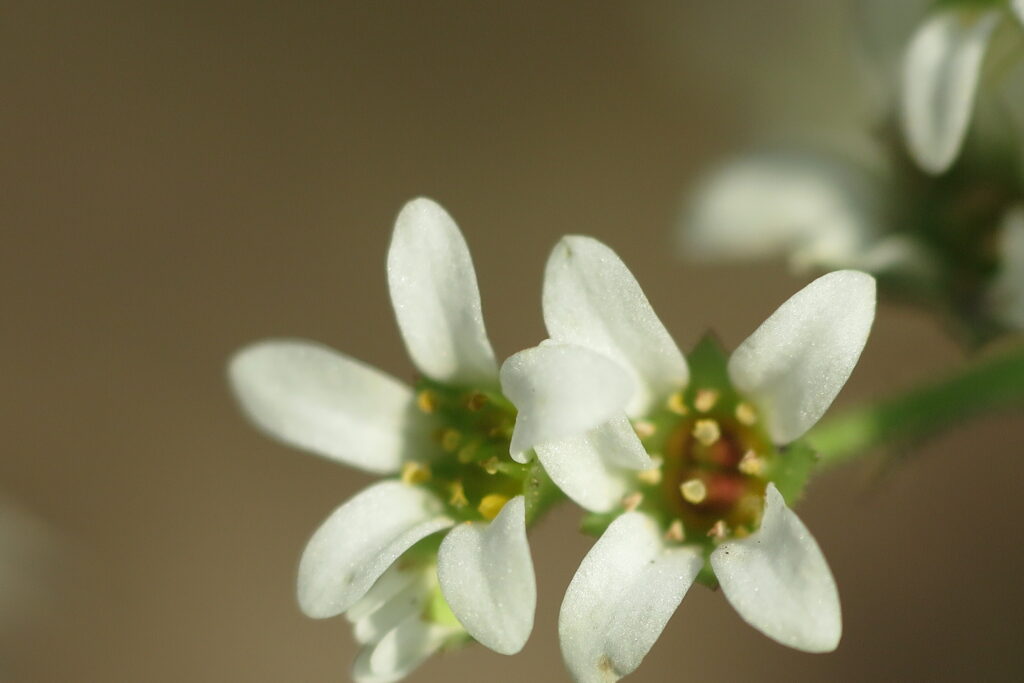
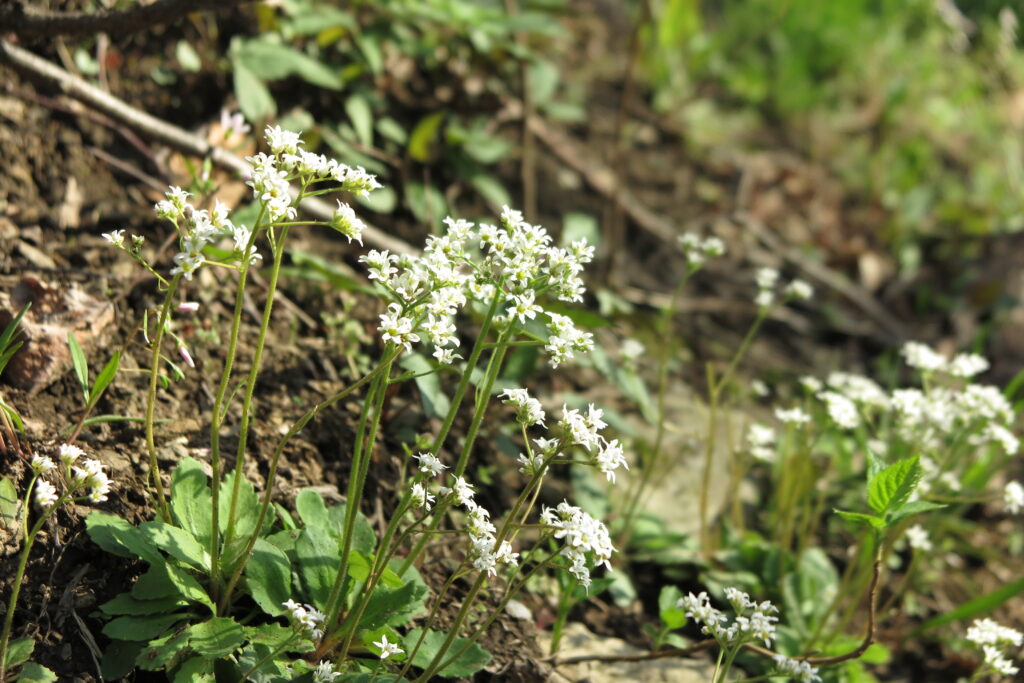
The growth form of Early Saxifrage is best described as clumping and upright. Individual plants develop from a compact basal rosette that remains close to the ground. From this central point, slender stems extend upward to support flowering structures.
Unlike creeping groundcovers or spreading vines, Early Saxifrage remains relatively localized. New growth occurs around the established plant rather than through long runners or extensive underground expansion. This growth style creates distinct clusters rather than broad colonies covering large areas.
A useful comparison is a fountain rising from a single base. The foliage remains concentrated near the ground while flowering stems extend upward and outward. This arrangement gives the plant a graceful appearance despite its relatively small size.
As plants mature, the clump may become slightly larger and more robust. Additional leaves and flowering stems contribute to a fuller appearance without dramatically increasing the overall footprint. This steady enlargement helps maintain healthy populations while preserving the plant’s compact character.
The upright structure also improves visibility. Even when growing among surrounding vegetation, flowering stems rise above nearby leaves and groundcover. This elevated growth pattern makes Early Saxifrage surprisingly noticeable despite its modest dimensions.
Early Saxifrage Reproduction and Life Cycle Stages
Seed production serves as the primary method of reproduction for Early Saxifrage. Following successful pollination, flowers develop small seed capsules that eventually mature and release their contents. These seeds provide the next generation of plants and allow populations to persist over time.
The life cycle begins when seeds germinate under favorable conditions. Young seedlings establish roots and produce their first leaves, gradually developing into juvenile plants. During this stage, growth remains focused on building a stable foundation rather than producing flowers.
As plants mature, they enter the reproductive phase and begin generating flowering stems each spring. Pollination leads to seed formation, completing the reproductive portion of the cycle. This process allows genetic material to be transferred to future generations and supports long-term population stability.
A useful comparison is a relay race in which each generation passes responsibility to the next. Mature plants produce seeds that establish future individuals, ensuring continuity within the population. This cycle repeats year after year across suitable habitats.
The final stage of the annual cycle is dormancy. As autumn progresses and temperatures decline, visible growth gradually slows. Above-ground activity decreases while the plant conserves energy within underground structures, remaining alive through winter and preparing for another season of growth when favorable conditions return.
Popular Searches About Early Saxifrage
Explore Early Saxifrage Guide
Explore More Plants

Support Encounters World
Help support wildlife photography and get behind the scenes discoveries on Patreon.