Early Saxifrage Habitat: Where Early Saxifrage Grows and Environmental Preferences
Quick Facts
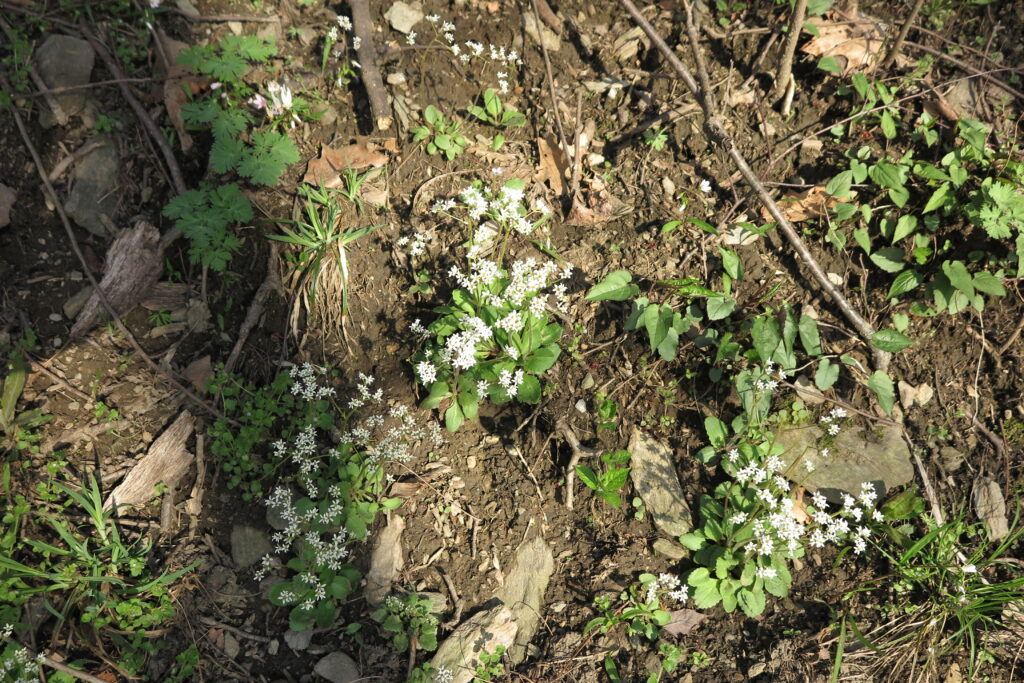
Primary Habitat: Open Woodlands and Rocky Forest Slopes
Secondary Habitat: Hillsides, Woodland Clearings, Bluffs, and Rocky Outcrops
Soil Type: Well-Drained Loam, Sandy Soil, and Rocky Substrates
Soil pH Preference: Slightly Acidic to Neutral
Moisture Level: Moderate
Climate Zone: Temperate Regions
Light Requirements: Partial Shade to Full Sun
Early Saxifrage Across North American Landscapes
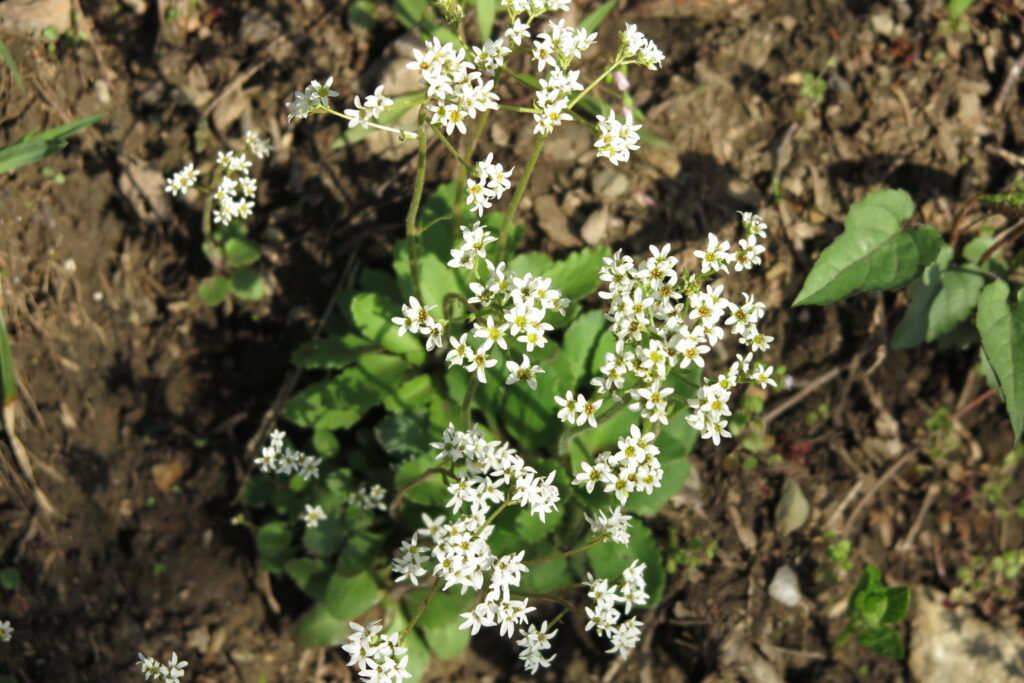
Early Saxifrage (Micranthes virginiensis) is a native perennial wildflower found throughout much of eastern North America. It is one of many spring-blooming species that emerge during the transition between winter and the growing season. The plant’s distribution spans a wide geographic area, allowing it to appear in numerous landscapes and ecological communities.
From southern Canada through portions of the eastern and central United States, Early Saxifrage contributes to seasonal displays of native wildflowers. Although often overlooked due to its modest size, it plays an important role in the biodiversity of many natural environments. Its presence frequently signals the arrival of spring conditions.
The species is associated with landscapes that experience distinct seasonal changes. Cool winters, mild springs, and warm summers characterize much of its range. These conditions support the annual appearance of flowering stems that become visible before many larger plants dominate the landscape.
Naturalists often encounter Early Saxifrage in places where native vegetation remains relatively intact. The plant blends into surrounding ecosystems while still producing eye-catching white flowers. Its ability to occupy diverse natural settings has helped maintain healthy populations across much of its native distribution.
Geographic Distribution and Habitat Range of Early Saxifrage
Early Saxifrage possesses a broader distribution than many woodland wildflowers. Its range extends across multiple states and provinces, allowing it to occupy a large portion of eastern North America. This widespread occurrence demonstrates a degree of ecological flexibility that some native wildflowers lack.
Compared to species restricted to isolated habitats, Early Saxifrage occurs across a relatively large geographic area. A useful comparison can be made with rare alpine plants that exist only within narrow mountain ranges. Early Saxifrage, by contrast, has successfully established populations across a much wider region.
Despite its broad distribution, the species remains strongly associated with temperate environments. It is not commonly found in extremely arid deserts, tropical regions, or far northern tundra ecosystems. Instead, it occupies areas where seasonal conditions align with its environmental requirements.
Regional populations often appear remarkably similar despite occurring hundreds of miles apart. Plants found in northern portions of the range share many characteristics with those growing farther south. This consistency contributes to the species’ recognizable identity throughout its distribution.
The plant’s adaptability allows it to thrive in multiple states and ecological provinces while maintaining stable populations. Rather than being confined to a single narrow region, it persists across a diverse collection of landscapes. This broad range is one reason Early Saxifrage remains a familiar spring wildflower throughout much of eastern North America.
Common Growing Environments of Early Saxifrage
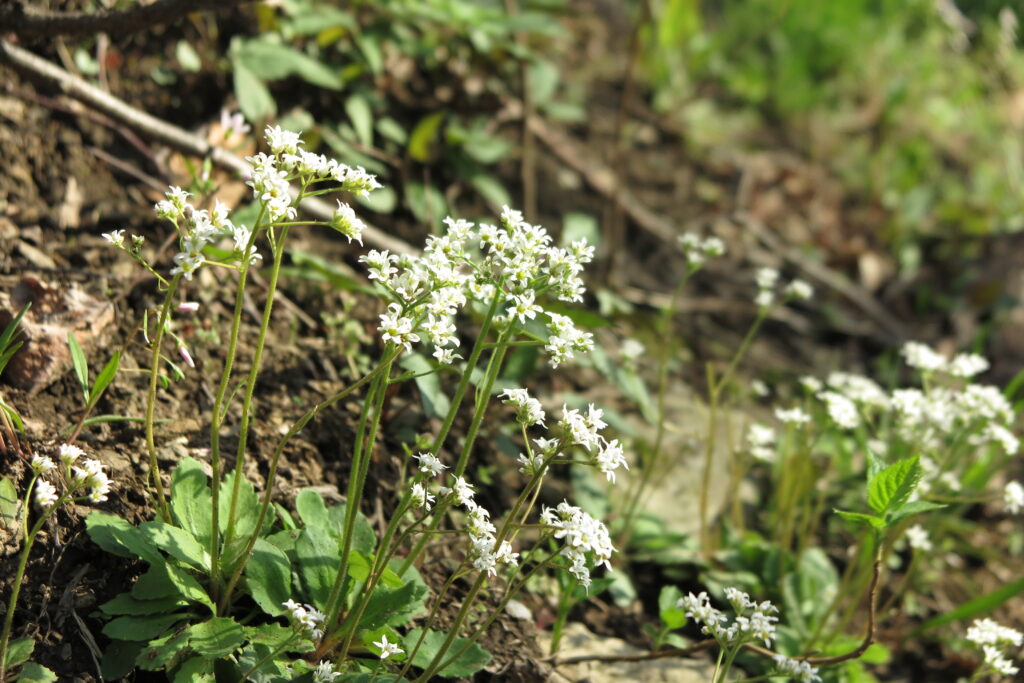
Woodland environments represent some of the most common places to encounter Early Saxifrage. Open forests with moderate sunlight often provide suitable growing conditions. These settings allow flowering stems to rise above surrounding vegetation while still benefiting from partial canopy cover.
Rocky hillsides and exposed slopes also support healthy populations. These locations frequently provide reduced competition from larger plants, allowing Early Saxifrage to occupy spaces that might otherwise remain sparsely vegetated. The plant often appears among scattered stones, leaf litter, and native groundcover species.
Forest clearings provide another favorable environment. Areas receiving increased sunlight due to canopy openings often support strong flowering displays during spring. In these locations, Early Saxifrage may grow alongside other native wildflowers that take advantage of seasonal light reaching the forest floor.
A useful example of habitat variation can be seen between woodland interiors and forest edges. Some populations thrive beneath scattered trees, while others occur closer to open spaces where sunlight is more abundant. This flexibility allows the species to occupy a range of light conditions without becoming restricted to a single habitat type.
Rocky bluffs, upland forests, and lightly disturbed natural areas may also contain populations of Early Saxifrage. These environments share characteristics that favor native perennial wildflowers. The plant’s ability to utilize multiple landscape settings contributes significantly to its overall distribution.
Environmental Conditions That Support Early Saxifrage
Well-drained soils are among the most important factors supporting Early Saxifrage. The species performs best where water moves through the soil efficiently rather than remaining trapped for long periods. Excessively saturated conditions are generally less favorable than sites offering balanced moisture levels.
Moderate moisture helps maintain healthy growth throughout the active season. A useful comparison is the soil found beneath mature woodland trees after a spring rain. The ground remains moist enough to support vegetation but avoids becoming continuously waterlogged.
Terrain also influences where Early Saxifrage grows successfully. Slopes, rocky ridges, and elevated woodland sites often provide the drainage conditions the species prefers. These landscapes reduce standing water while creating a stable environment for native wildflowers.
Light conditions typically range from partial shade to periods of direct sunlight. During early spring, before trees produce dense foliage, many habitats receive increased sunlight. This seasonal light availability helps create suitable environmental conditions for flowering and overall plant health.
Surrounding vegetation commonly includes native woodland herbs, ferns, grasses, and spring wildflowers. Together, these plants create communities adapted to temperate forest ecosystems. Within these settings, Early Saxifrage benefits from the combination of well-drained soil, moderate moisture, seasonal sunlight, and natural vegetation that characterize many of its preferred habitats.
Popular Searches About Early Saxifrage
Explore Early Saxifrage Guide
Explore More Plants

Support Encounters World
Help support wildlife photography and get behind the scenes discoveries on Patreon.