Early Saxifrage Reproduction Guide: Pollination, Seed Production, and Reproductive Strategies
Quick Facts
Primary Reproduction Method: Seeds
Pollination Type: Insect Pollination
Main Pollinators: Native Bees, Flies, and Small Insects
Flowering Period: Early Spring
Seed Development: Late Spring
Vegetative Reproduction: Limited
Reproductive Success: Moderate to High in Suitable Conditions
How Early Saxifrage Reproduces in the Wild
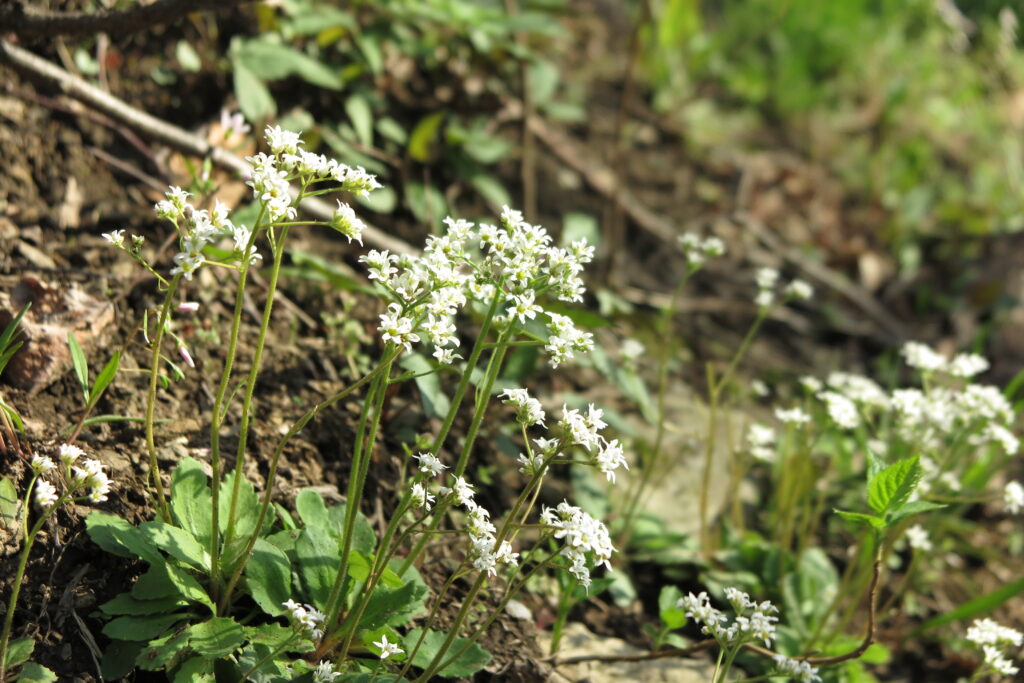
Early Saxifrage (Micranthes virginiensis) relies primarily on sexual reproduction through flowers and seeds. This strategy allows populations to maintain genetic diversity while establishing new plants across suitable habitats. As a native perennial wildflower, its reproductive cycle is closely tied to seasonal changes and the activity of spring pollinators.
The species begins its reproductive phase shortly after producing flowering stems. During early spring, clusters of white blossoms emerge above the foliage and become visible to a variety of insects. These flowers serve as the foundation of the plant’s reproductive system and play a critical role in producing future generations.
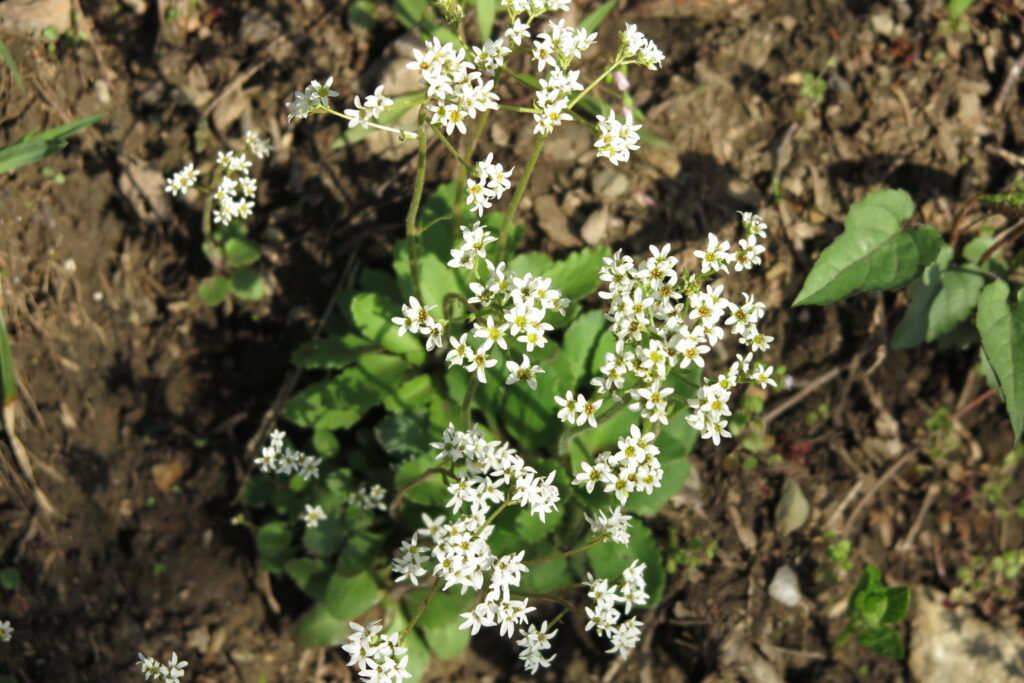
Unlike plants that spread aggressively through runners or extensive underground structures, Early Saxifrage invests much of its reproductive effort into seed production. This approach allows the species to colonize new locations while maintaining healthy populations over time. The resulting distribution pattern often appears as scattered groups of individual plants rather than large continuous colonies.
Successful reproduction depends on a sequence of interconnected events. Flower production, pollinator visitation, fertilization, seed development, and seed dispersal must all occur in the correct order. When these stages proceed successfully, the species is able to persist across a broad geographic range and continue contributing to native plant communities.
Early Saxifrage Pollination Process
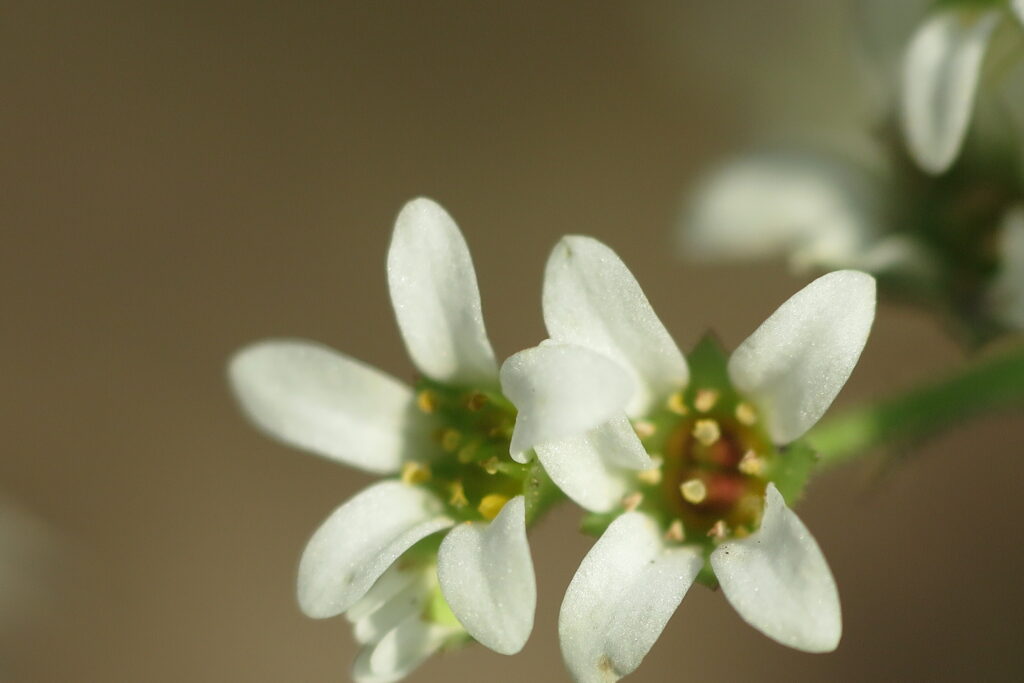
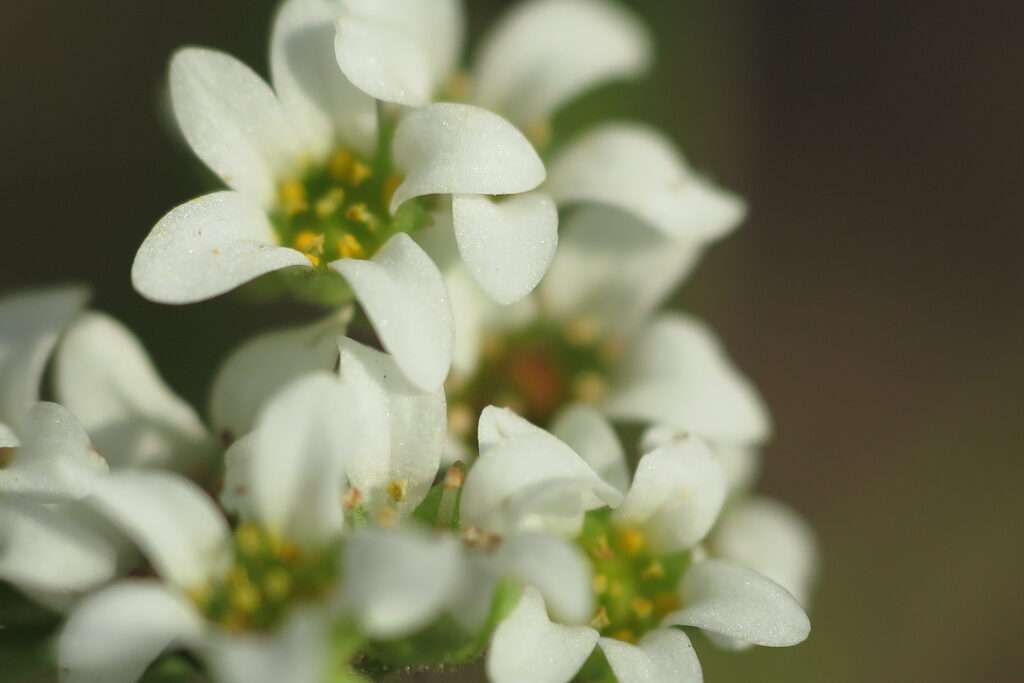
Pollination begins when flowers open during the spring blooming season. The bright white petals and exposed reproductive structures make the blossoms accessible to a variety of insects searching for nectar and pollen. These visitors unintentionally transport pollen between flowers while feeding.
Native bees are among the most effective pollinators. Small solitary bees frequently visit the blossoms during warm spring days, moving from flower to flower as they collect resources. Their activity helps transfer pollen and increases the likelihood of successful fertilization.
Hoverflies, small flies, and other insects may also contribute to pollination. Although some visitors are less efficient than bees, their collective activity still plays an important role in moving pollen throughout a population. Multiple pollinator species create a more resilient reproductive system than dependence on a single insect group.
A useful comparison is a delivery network connecting separate locations. Pollinators act as carriers that transport pollen between flowers, allowing reproductive processes to continue. Without these visitors, successful seed production would become much less likely.
Flower structure further supports pollination. The open arrangement of petals provides easy access to reproductive parts, making the flowers usable by a wide range of insects. This accessibility helps maximize pollination opportunities during the relatively short flowering season.
Seed Development and Production
Once pollination occurs, fertilized flowers begin transitioning into seed-producing structures. Energy that was previously directed toward maintaining blooms is redirected toward developing seeds. This marks the beginning of the next major stage in the reproductive cycle.
As development progresses, small seed capsules form where flowers were previously located. These capsules protect developing seeds while they mature. Over time, the seeds accumulate the resources needed to support future germination and seedling establishment.
A useful comparison is packing supplies for a future journey. Each seed contains the genetic information and stored resources necessary to begin life as a new plant. The seed capsule functions as a protective container until dispersal becomes possible.
Individual plants may produce numerous seeds during a successful growing season. This reproductive output helps compensate for the fact that not every seed will germinate or survive to maturity. Producing multiple seeds increases the probability that some offspring will establish successfully.
Environmental conditions can influence seed production. Favorable weather, healthy pollinator activity, and adequate plant health generally contribute to stronger reproductive success. When these factors align, Early Saxifrage can produce a substantial number of viable seeds.
Seed Dispersal and New Plant Establishment
After seeds mature, dispersal becomes the final stage of the reproductive process. Seed capsules eventually release their contents, allowing seeds to move away from the parent plant. This distribution reduces competition and creates opportunities for colonization of suitable nearby locations.
Most seeds disperse relatively short distances compared to species adapted for long-range transport. Wind, gravity, water movement, and occasional animal interactions may all contribute to dispersal. These mechanisms help spread seeds throughout local habitats while maintaining stable populations.
A useful comparison is scattering small pebbles across a surface. Most land close to the original point, while a few may travel farther depending on environmental conditions. Early Saxifrage seeds follow a similar pattern of mostly local dispersal.
Once seeds reach suitable locations, germination can occur when environmental conditions become favorable. Emerging seedlings begin developing roots and leaves, gradually establishing themselves as independent plants. This stage is often the most vulnerable period in the life cycle because young plants must compete with surrounding vegetation and environmental challenges.
Successful establishment completes the reproductive cycle. Seedlings mature into flowering adults capable of producing seeds of their own, beginning the process again. Through pollination, seed production, dispersal, and establishment, Early Saxifrage maintains populations across eastern North America and continues thriving as one of the region’s characteristic native spring wildflowers.
Popular Searches About Early Saxifrage
Explore Early Saxifrage Guide
Explore More Plants

Support Encounters World
Help support wildlife photography and get behind the scenes discoveries on Patreon.