Early Saxifrage Care Guide: Watering, Sunlight, Soil, and Maintenance Tips
Quick Facts
Care Difficulty: Easy to Moderate
Sunlight Needs: Partial Shade to Full Sun
Water Requirements: Moderate
Preferred Soil: Well-Drained Loam, Sandy Soil, or Rocky Soil
Fertilizer Needs: Low
Maintenance Level: Low
Best Garden Use: Native Woodland Gardens and Wildflower Plantings
Growing Early Saxifrage Successfully in the Garden
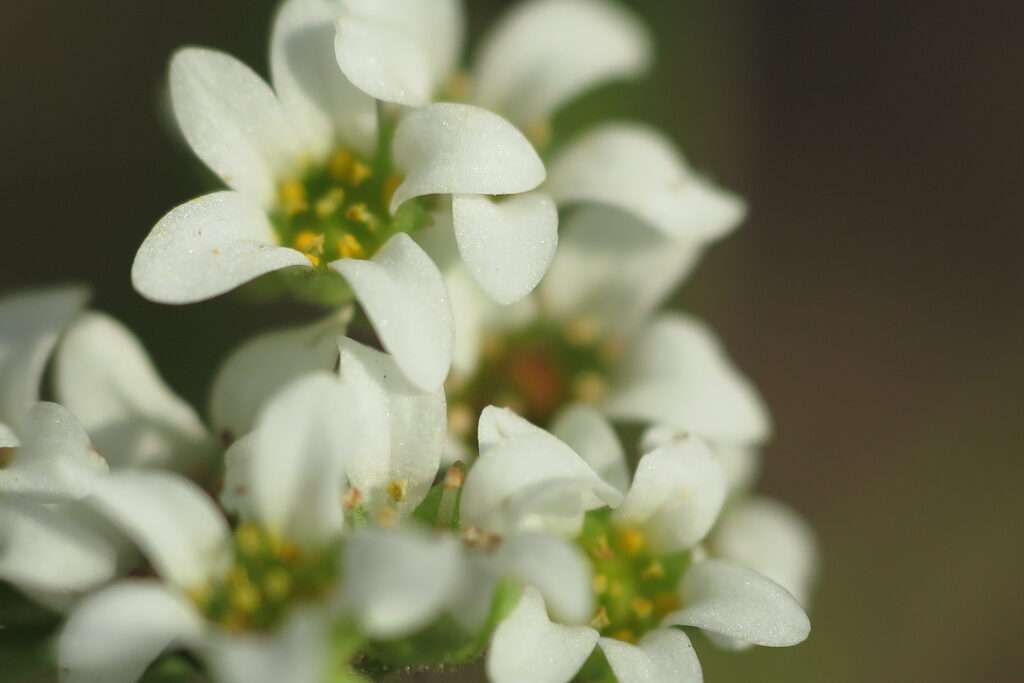
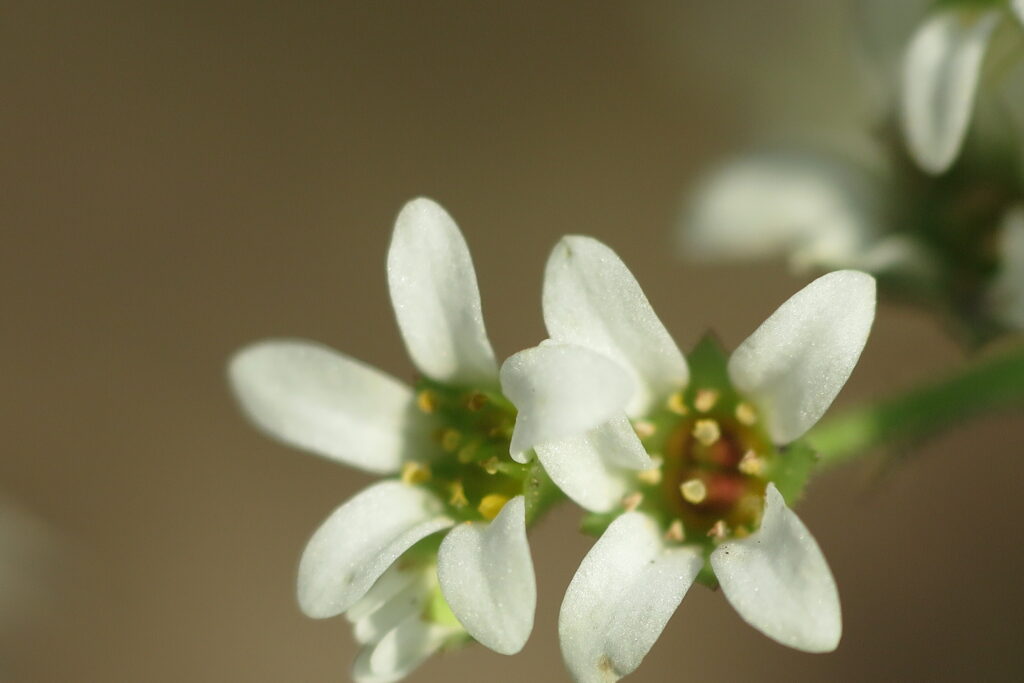
Early Saxifrage (Micranthes virginiensis) is a native North American wildflower valued for its delicate white blooms and early-season appearance. Although it is often encountered in natural settings, the species can also be grown successfully in gardens that mimic its preferred conditions. Gardeners interested in native plants frequently choose Early Saxifrage because of its subtle beauty and relatively low maintenance requirements.
Unlike highly cultivated ornamental flowers that demand constant attention, Early Saxifrage generally performs well when provided with suitable environmental conditions. Once established, it relies more on proper placement than intensive care. This characteristic makes it attractive to gardeners seeking native species that blend naturally into the landscape.
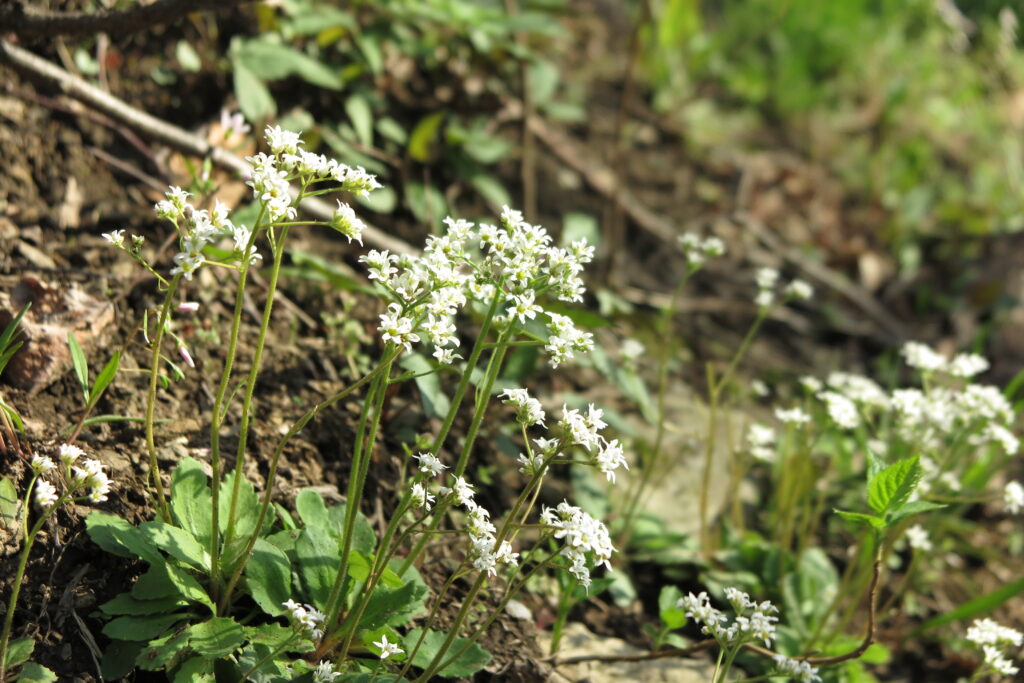
The plant is especially useful in woodland gardens, native plant collections, and naturalized landscapes. Its modest size allows it to fit comfortably among other spring wildflowers without overwhelming neighboring plants. When planted in appropriate conditions, it often returns year after year with minimal intervention.
Successful care begins with understanding the species’ natural preferences. Soil quality, moisture levels, sunlight exposure, and seasonal maintenance all influence long-term performance. Providing these basic requirements creates the foundation for healthy growth and reliable flowering.
Early Saxifrage Sunlight and Soil Requirements
Light conditions play an important role in the overall health of Early Saxifrage. Partial shade is often considered ideal because it resembles the filtered sunlight found in many natural woodland environments. Morning sunlight combined with afternoon shade frequently produces excellent results.
The species also tolerates locations receiving greater amounts of direct sun. In cooler climates, full-sun sites may support healthy flowering provided moisture levels remain adequate. Areas with excessive heat and prolonged drying conditions are generally less favorable than sites offering balanced light exposure.
Soil quality is equally important. Early Saxifrage performs best in well-drained soils that allow water to move freely through the root zone. Loamy soils enriched with organic matter often provide ideal growing conditions because they balance moisture retention and drainage.
A useful comparison is a sponge that remains slightly moist without becoming saturated. Healthy soil for Early Saxifrage should function in much the same way. Excess water should drain efficiently while enough moisture remains available to support plant growth.
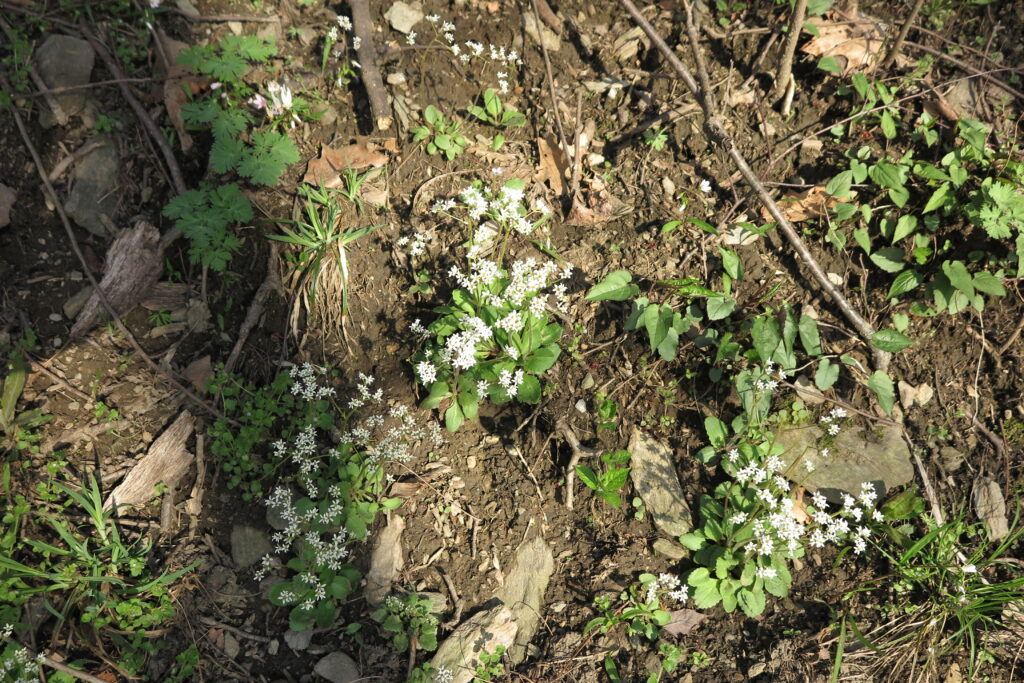
Rocky soils and sandy loams can also support the species when other conditions are suitable. Many native populations occur in locations where drainage is excellent and competition from larger plants is limited. Recreating these conditions often contributes to long-term success in cultivation.
Watering and Seasonal Maintenance for Healthy Plants
Moderate moisture supports the best overall performance from Early Saxifrage. Newly planted specimens benefit from regular watering while establishing their root systems. Consistent moisture during the establishment period encourages stronger development and improves survival rates.
Once established, the species becomes relatively resilient and typically requires less supplemental watering. Natural rainfall often provides sufficient moisture in many regions. During prolonged dry periods, occasional deep watering can help maintain healthy foliage and support flowering performance.
Maintenance requirements remain relatively low compared to many ornamental species. Removing dead stems and spent flowering stalks can improve appearance while keeping plantings tidy. Gardeners who prefer a more natural look may choose to leave some seed-producing structures intact.
A useful comparison is caring for a native woodland fern rather than a highly managed bedding plant. The goal is not constant intervention but rather occasional support when conditions require it. This low-maintenance character is one reason Early Saxifrage appeals to native plant gardeners.
Mulching can provide additional benefits by helping conserve soil moisture and moderate temperature fluctuations. A light layer of leaf litter or organic mulch often mimics natural woodland conditions while improving overall plant health.
Long-Term Care and Garden Performance
One of the greatest strengths of Early Saxifrage is its ability to persist for years when planted in suitable locations. Once established, healthy plants often return each spring with little assistance. This reliability makes the species valuable for gardeners seeking long-term native plantings.
Fertilizer requirements are generally minimal. Excessive fertilization may encourage lush growth that does not reflect the plant’s natural character. In most situations, healthy soil containing organic matter provides sufficient nutrients without the need for frequent feeding.
Companion planting can also contribute to long-term success. Native woodland wildflowers, ferns, and shade-tolerant perennials often pair well with Early Saxifrage. These combinations create natural-looking plant communities while maintaining compatible growing conditions.
A useful comparison is maintaining a mature woodland garden rather than a formal annual flower bed. The focus shifts from constant management to preserving favorable conditions. Healthy soil, moderate moisture, and appropriate light often accomplish more than intensive intervention.
Gardeners who provide suitable growing conditions are typically rewarded with dependable spring blooms and attractive foliage. The species thrives when allowed to express its natural growth habits rather than being forced into heavily managed settings. With thoughtful placement and modest care, Early Saxifrage can remain a beautiful and reliable component of native landscapes for many years.
Popular Searches About Early Saxifrage
Explore Early Saxifrage Guide
Explore More Plants

Support Encounters World
Help support wildlife photography and get behind the scenes discoveries on Patreon.