Early Saxifrage Blooming Guide: Flowering Season, Bloom Time, and Spring Display
Quick Facts
Blooming Season: Early Spring to Mid-Spring
Peak Bloom Period: March to May (Varies by Region)
Flower Color: White
Bloom Duration: Several Weeks
Flower Arrangement: Branched Clusters
Pollination Method: Insect Pollination
Primary Bloom Trigger: Rising Spring Temperatures and Increasing Daylight
Early Saxifrage and Its Spring Blooming Season
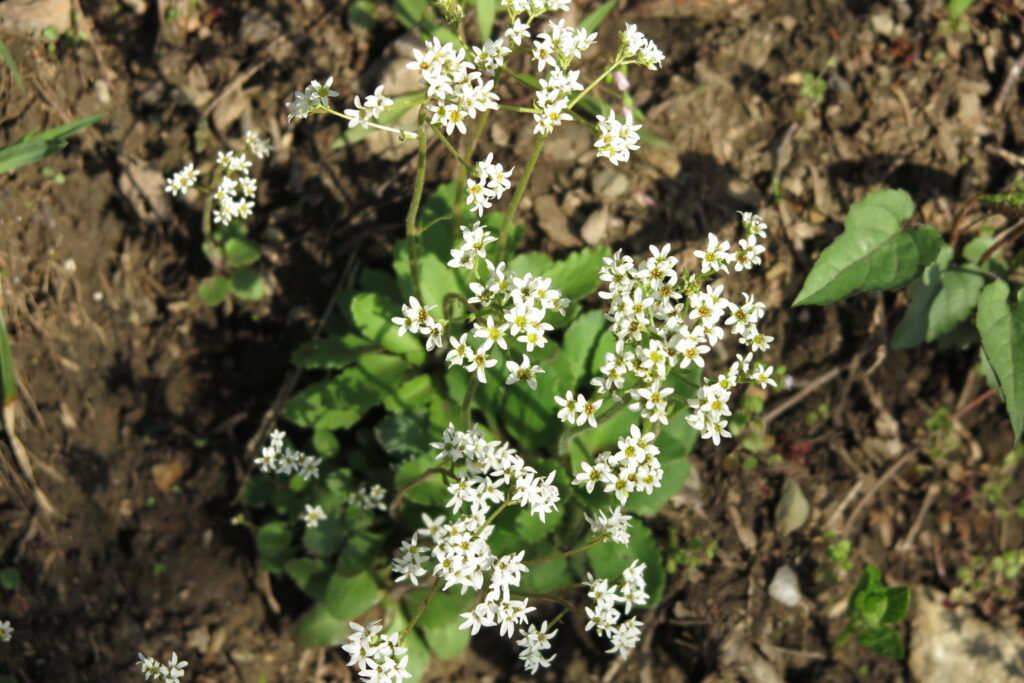
Few native wildflowers signal the arrival of spring as effectively as Early Saxifrage (Micranthes virginiensis). While many plants remain dormant or are only beginning to produce foliage, this species develops clusters of bright white flowers that stand out against the muted colors of early-season landscapes. Its blooming period often coincides with one of the most dramatic seasonal transitions of the year.
Across eastern North America, Early Saxifrage is recognized as one of the earlier-flowering perennial wildflowers. The appearance of its blossoms frequently occurs before forests become fully leafed out, allowing the flowers to receive greater visibility and sunlight. This timing contributes significantly to the plant’s ecological and visual importance.
The flowering season varies somewhat depending on geographic location and annual weather patterns. Southern populations often begin blooming earlier than those growing farther north. Despite these regional differences, the species consistently flowers during the spring portion of the growing season.
Naturalists, photographers, and native plant enthusiasts frequently look forward to its appearance each year. The bright flowers create noticeable displays even when only a few plants are present. Because blooms emerge during a period when flowering resources are relatively limited, they often attract considerable attention from both people and pollinators.
Early Saxifrage Bloom Timing and Flower Development
The blooming process begins as temperatures gradually rise following winter. Dormant plants respond to increasing daylight and warming soil conditions by producing flowering stems. This transition may occur rapidly once favorable environmental signals are present.
Flower buds develop near the tops of slender stems before opening into clusters of white blossoms. The progression from bud formation to full bloom often occurs over several days, creating a gradual transformation rather than an overnight display. Observers who revisit the same population may notice significant changes within a short period.
A useful comparison is the slow opening of a theater curtain before a performance begins. At first, only hints of the flowers are visible. As buds continue opening, the full floral display becomes increasingly prominent until the plant reaches peak bloom.
Peak flowering usually occurs when most blossoms within a cluster have opened simultaneously. During this stage, the white flowers become highly visible against surrounding vegetation. Large populations can create impressive spring scenes despite the relatively small size of individual blooms.
Bloom duration often extends for several weeks depending on weather conditions. Cooler temperatures may prolong flowering, while periods of unusual heat can shorten the display. These environmental influences help explain annual variation in bloom timing and longevity.
What Early Saxifrage Flowers Look Like During Bloom
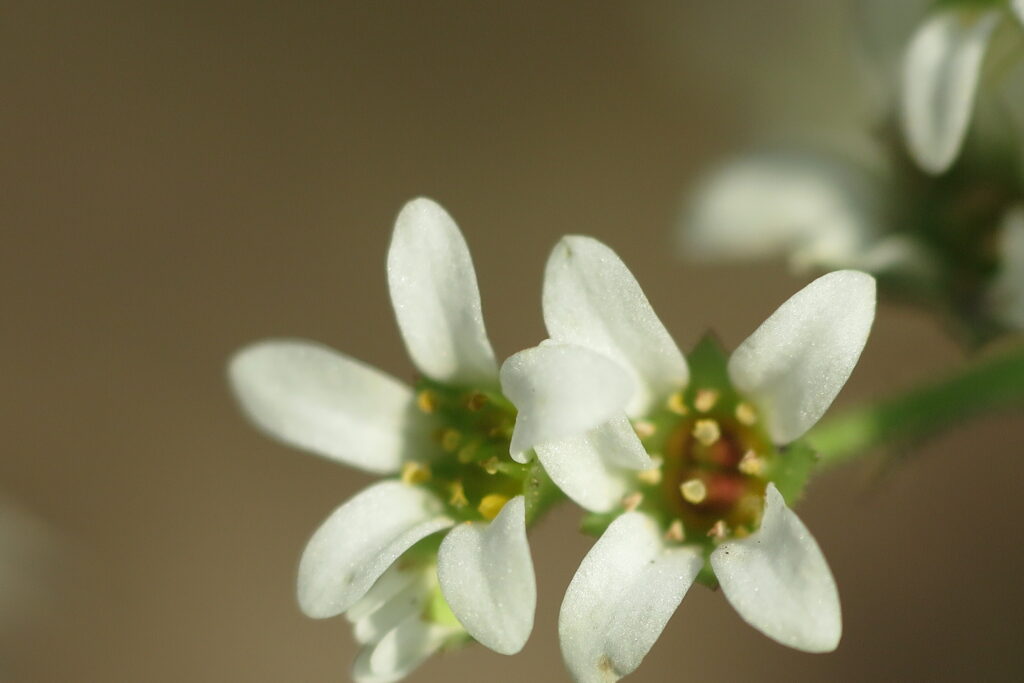
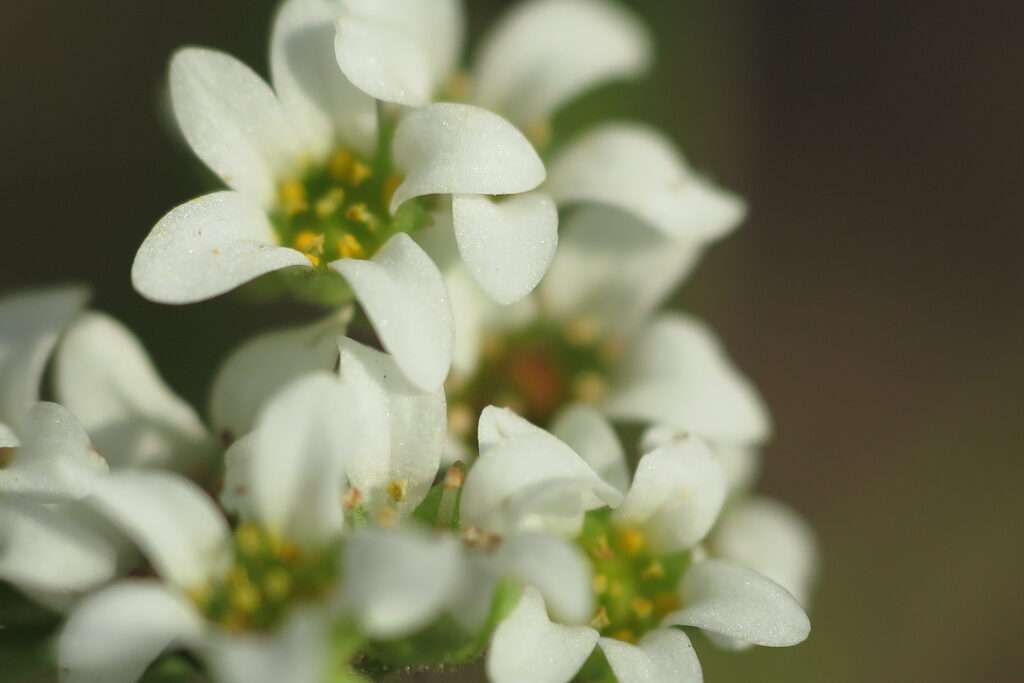
The flowers of Early Saxifrage are relatively small but highly distinctive. Each blossom consists of five white petals surrounding a central cluster of reproductive structures. The bright coloration allows flowers to stand out clearly against the green foliage and brown leaf litter often present during spring.
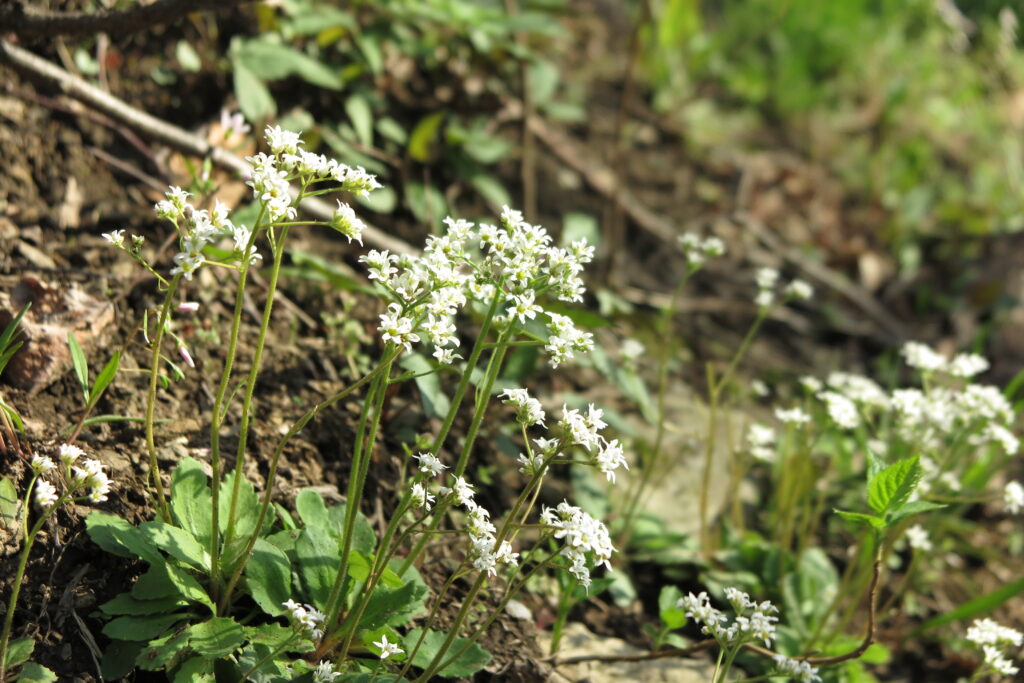
Rather than producing a single flower, the plant develops branching clusters containing numerous blossoms. This arrangement increases visual impact and creates the appearance of a miniature bouquet elevated above the ground. The clustered display contributes significantly to the species’ attractiveness.
A useful comparison is a collection of tiny white stars suspended on slender stems. Individual flowers may be delicate, but together they create a striking display that is easy to recognize. The open arrangement also gives the plant an airy and graceful appearance.
The flowers often appear brighter because they bloom before dense vegetation develops around them. With fewer competing blooms present, the white petals become especially noticeable. This visibility helps both pollinators and human observers locate flowering plants.
Flower clusters may sway gently in spring breezes due to the slender nature of the stems. This movement adds another layer of visual interest and further distinguishes the species from plants producing heavier or more compact flower structures.
Factors That Influence Early Saxifrage Blooming Success
Temperature is one of the most important influences on flowering performance. Mild spring weather generally supports strong blooming displays, while unusually late freezes may affect flower development. The timing of seasonal warming often determines when flowering begins.
Sunlight availability also contributes to bloom production. Areas receiving adequate spring sunlight frequently support more abundant flowering than heavily shaded locations. This relationship is especially important before tree canopies fully develop later in the season.
A useful comparison is charging a battery before powering a device. Plants rely on stored energy and favorable environmental conditions to support flowering. When these resources are available, blooms tend to be more numerous and longer lasting.
Moisture levels influence flower quality as well. Consistent soil moisture during the active growing period helps support healthy stem and flower development. Excessively dry conditions may reduce the number of blooms or shorten the flowering period.
The blooming season of Early Saxifrage represents one of the most important stages in the plant’s annual cycle. Bright white flowers, early seasonal timing, and extended floral displays contribute to its popularity among wildflower enthusiasts. Whether encountered in a woodland clearing or along a rocky hillside, a flowering population of Early Saxifrage remains one of the most recognizable signs that spring has arrived.
Popular Searches About Early Saxifrage
Explore Early Saxifrage Guide
Explore More Plants

Support Encounters World
Help support wildlife photography and get behind the scenes discoveries on Patreon.