Early Saxifrage Life Cycle Guide: Growth Stages, Seasonal Development, and Annual Changes
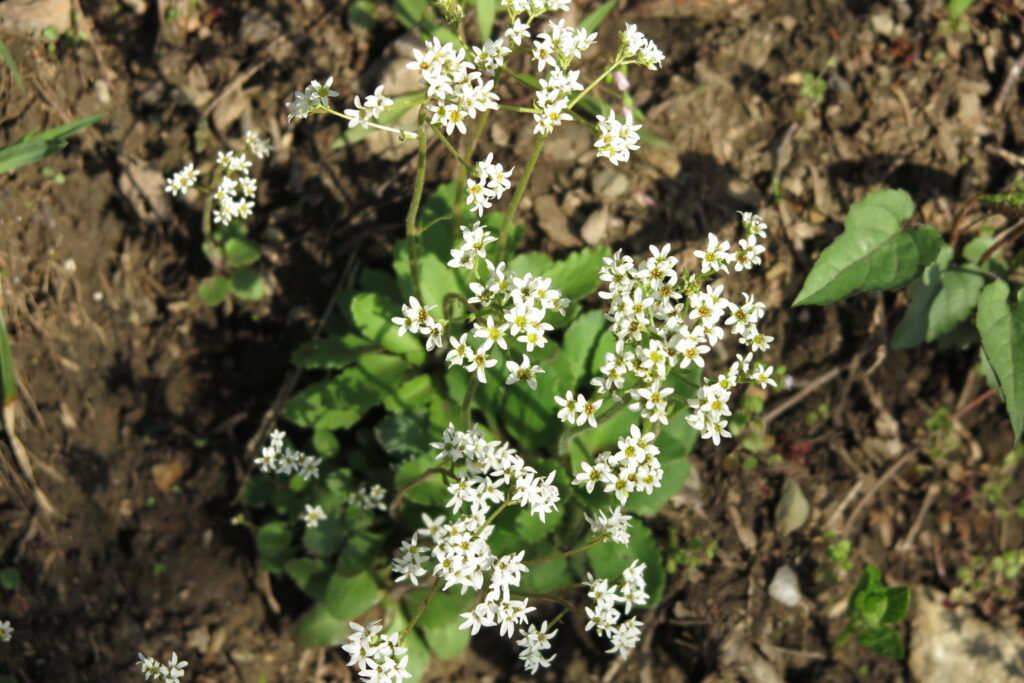
Quick Facts
Life Cycle Type: Perennial
Emergence Period: Late Winter to Early Spring
Flowering Stage: Early Spring to Mid-Spring
Seed Production: Late Spring
Dormancy Period: Fall Through Winter
Primary Reproduction: Seeds
Average Lifespan: Multiple Years
Understanding the Early Saxifrage Life Cycle
Early Saxifrage (Micranthes virginiensis) follows a perennial life cycle that allows it to survive and return year after year. Unlike annual plants that complete their entire existence within a single growing season, this native wildflower persists through repeated cycles of growth, flowering, seed production, and dormancy. Its seasonal rhythm is closely connected to the changing conditions of temperate North American ecosystems.
Throughout much of its range, the species experiences cold winters followed by warming spring temperatures. These seasonal transitions serve as environmental signals that help regulate development. The plant remains largely inactive during unfavorable periods before becoming active again when conditions improve.
One of the most notable aspects of the Early Saxifrage life cycle is its timing. The species begins visible development earlier than many neighboring wildflowers, allowing it to take advantage of sunlight and resources before dense vegetation emerges. This strategy has contributed to its success across a broad geographic range.
Although individual plants may appear delicate during flowering, they are supported by a life cycle refined through generations of adaptation. Each stage serves a specific purpose, from early growth and flowering to seed production and winter survival. Together, these stages create a dependable annual pattern that repeats throughout the plant’s lifespan.
Early Saxifrage Emergence and Early Growth Stages
The life cycle begins each year when dormant plants respond to the arrival of spring. As temperatures gradually rise and daylight increases, stored energy within the plant supports the production of new growth. Fresh leaves emerge from the basal rosette, signaling the start of another growing season.
During this stage, the plant focuses on rebuilding above-ground structures. The foliage expands and begins collecting sunlight through photosynthesis, providing energy for future development. This early investment in leaf production helps prepare the plant for flowering later in the season.
A useful comparison is the reopening of a business after a seasonal closure. Before major activities can occur, the foundation must be reestablished and operations resumed. Early Saxifrage follows a similar approach by producing foliage before moving into its reproductive phase.
Young plants follow a comparable process after germination. Seedlings first develop roots and small leaves before gradually maturing into established individuals. During these early stages, growth remains concentrated on building strength rather than producing flowers.
As development continues, the plant transitions from vegetative growth to flower production. This shift marks the beginning of one of the most recognizable phases in the Early Saxifrage life cycle. The appearance of flowering stems signals that reproductive activity is about to begin.
Flowering and Seed Production Stages
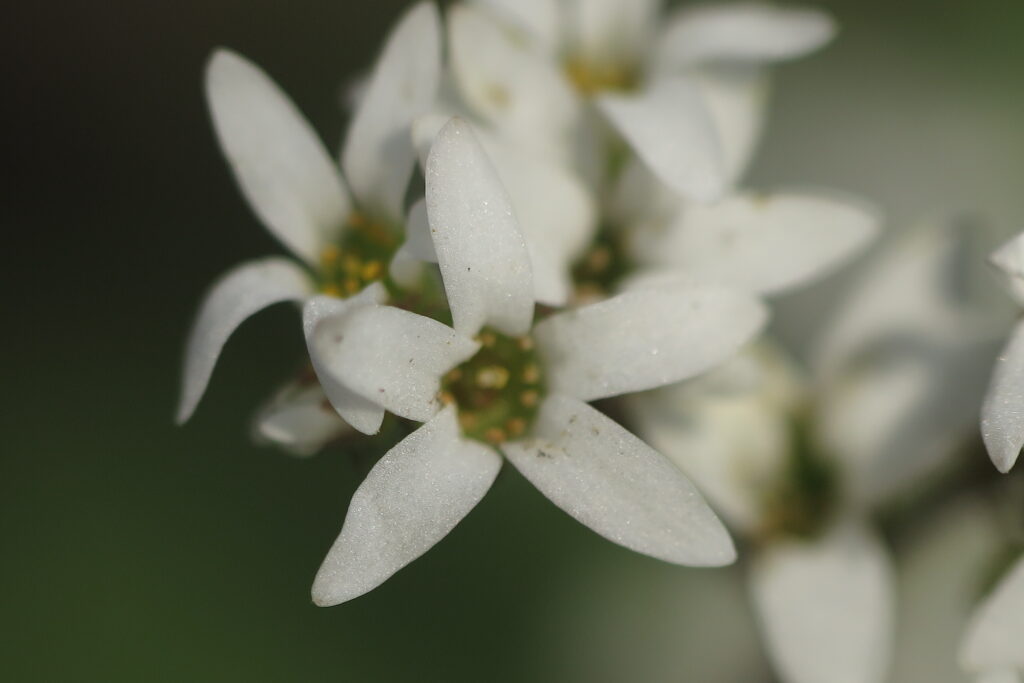
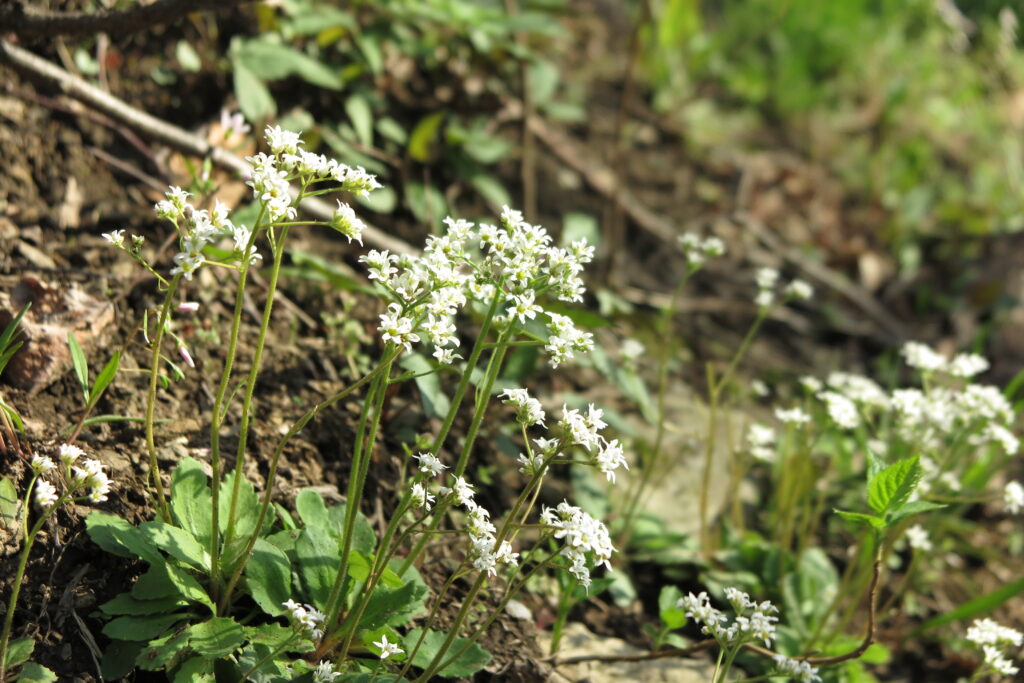
Flowering represents the most visible stage of the Early Saxifrage life cycle. Upright stems emerge from the basal foliage and support branching clusters of white blossoms. These flowers attract pollinating insects while facilitating the transfer of pollen between plants.
Successful pollination initiates the next phase of development. Fertilized flowers begin directing energy toward seed production rather than maintaining blooms indefinitely. Although flowering may last several weeks, its primary purpose is ultimately reproductive.
A useful comparison is a fruit tree producing blossoms before forming fruit. The flowers themselves are visually appealing, but they also serve as essential structures leading to the next stage of the life cycle. Early Saxifrage follows a similar sequence as flowers transition into seed-producing structures.
As seed capsules mature, they gradually prepare for dispersal. Within these capsules, developing seeds contain the genetic material necessary for future generations. This stage ensures the continuation of populations even as individual plants age and eventually decline.
Seed production contributes significantly to the species’ persistence across its range. New seedlings establish over time, helping maintain healthy populations and allowing the plant to occupy suitable habitats for generations. The reproductive phase therefore plays a central role in long-term survival.
Dormancy and Long-Term Survival Strategies
Following seed production, Early Saxifrage gradually enters the final stage of its annual cycle. Above-ground activity begins slowing as environmental conditions become less favorable. Energy is redirected toward structures that support survival through upcoming seasonal changes.
During autumn, growth decreases and the plant prepares for winter dormancy. Visible activity may become limited, but important biological processes continue beneath the soil surface. Resources accumulated during the growing season help sustain the plant through periods when active growth is not possible.
A useful comparison is placing a computer into sleep mode rather than shutting it down completely. Activity becomes minimal, yet the system remains ready to resume operation when conditions improve. Early Saxifrage employs a similar strategy during dormancy.
Winter dormancy protects the plant from environmental stress associated with freezing temperatures and limited resources. By reducing above-ground activity, the species conserves energy while waiting for favorable conditions to return. This adaptation is common among many perennial wildflowers found in temperate regions.
When spring arrives once again, the cycle begins anew. Dormant tissues become active, leaves emerge, flowering stems develop, and seeds are eventually produced. Through this repeating sequence of growth, reproduction, and dormancy, Early Saxifrage maintains stable populations and continues serving as one of the earliest blooming native wildflowers in eastern North America.
Popular Searches About Early Saxifrage
Explore Early Saxifrage Guide
Explore More Plants

Support Encounters World
Help support wildlife photography and get behind the scenes discoveries on Patreon.