Early Saxifrage Planting Guide: How to Plant, Establish, and Grow Early Saxifrage
Quick Facts
Best Planting Time: Spring or Fall
Planting Method: Seeds, Nursery Plants, or Divisions
Spacing Recommendation: 6–12 Inches Apart
Preferred Soil: Well-Drained Loam, Sandy Soil, or Rocky Soil
Sunlight Requirements: Partial Shade to Full Sun
Water Needs During Establishment: Moderate
Difficulty of Establishment: Easy to Moderate
Getting Started with Early Saxifrage Planting
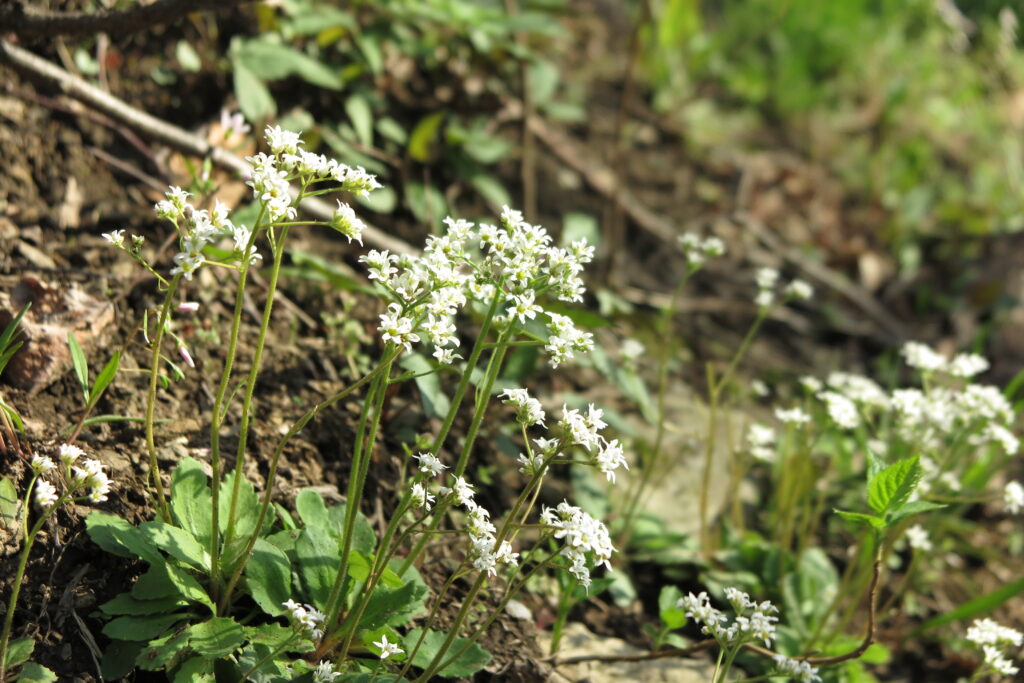
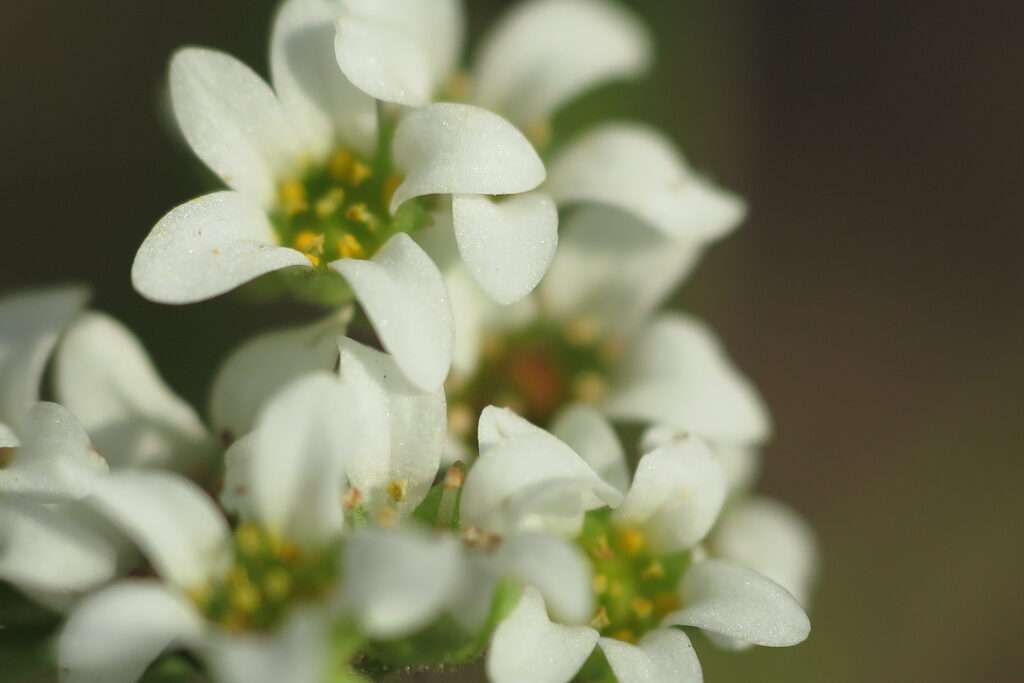
Early Saxifrage (Micranthes virginiensis) is a native perennial wildflower that can bring seasonal interest and ecological value to gardens, native plant landscapes, and woodland plantings. Its delicate white flowers appear during spring, providing early color while many other plants are only beginning to emerge. Establishing the species successfully begins with thoughtful planting practices that reflect its natural preferences.
Many gardeners are drawn to Early Saxifrage because of its understated beauty and ability to fit naturally into a wide range of native plant designs. Unlike large ornamental flowers that dominate a planting area, this species contributes subtle elegance and blends comfortably with surrounding vegetation. Proper planting helps ensure these qualities develop fully over time.
The species is often introduced through nursery-grown plants, divisions, or seed. Each method offers advantages depending on the gardener’s goals and available resources. Regardless of the approach, success depends largely on selecting a suitable location and preparing the site appropriately.
Planting should be viewed as the foundation for long-term health rather than a single gardening task. Soil preparation, spacing, moisture management, and site selection all influence future growth. Investing time during the planting stage often results in stronger, more resilient plants later.
Choosing the Best Location for Early Saxifrage
Site selection is one of the most important factors affecting establishment success. Early Saxifrage generally performs best in locations that receive partial shade, particularly where sunlight is available during part of the day without prolonged exposure to intense afternoon heat. These conditions often resemble those found in its native environments.
Woodland gardens, native plant borders, and lightly shaded landscape beds are frequently excellent choices. Areas beneath open tree canopies often provide an effective balance of sunlight and protection. Such locations help support healthy growth while preventing excessive stress during warmer periods.
Soil conditions deserve equal attention. Well-drained soil is essential because prolonged saturation can interfere with root development. Loamy soils enriched with organic matter are often ideal, although the species can also perform well in sandy or rocky substrates with adequate drainage.
A useful comparison is selecting a home with proper drainage and comfortable temperatures. Even the healthiest plant may struggle if placed in unsuitable conditions. Careful site selection dramatically improves the likelihood of successful establishment and long-term performance.
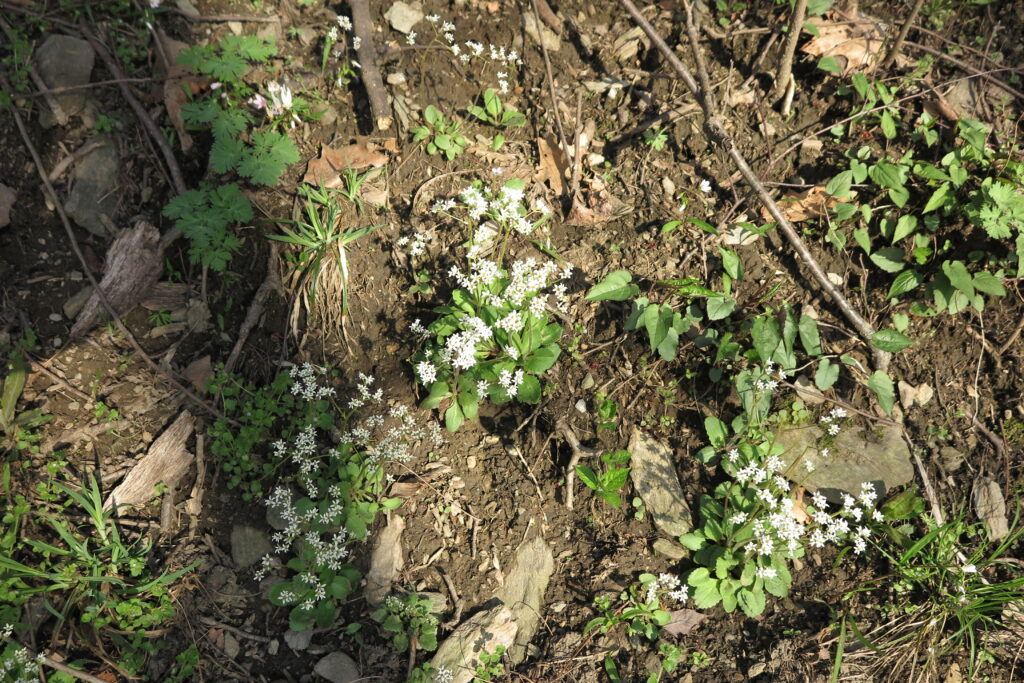
The surrounding landscape should also be considered. Planting among compatible native species often creates more natural and visually appealing displays. These combinations can help replicate the conditions under which Early Saxifrage naturally thrives.
Planting Methods and Establishment Techniques
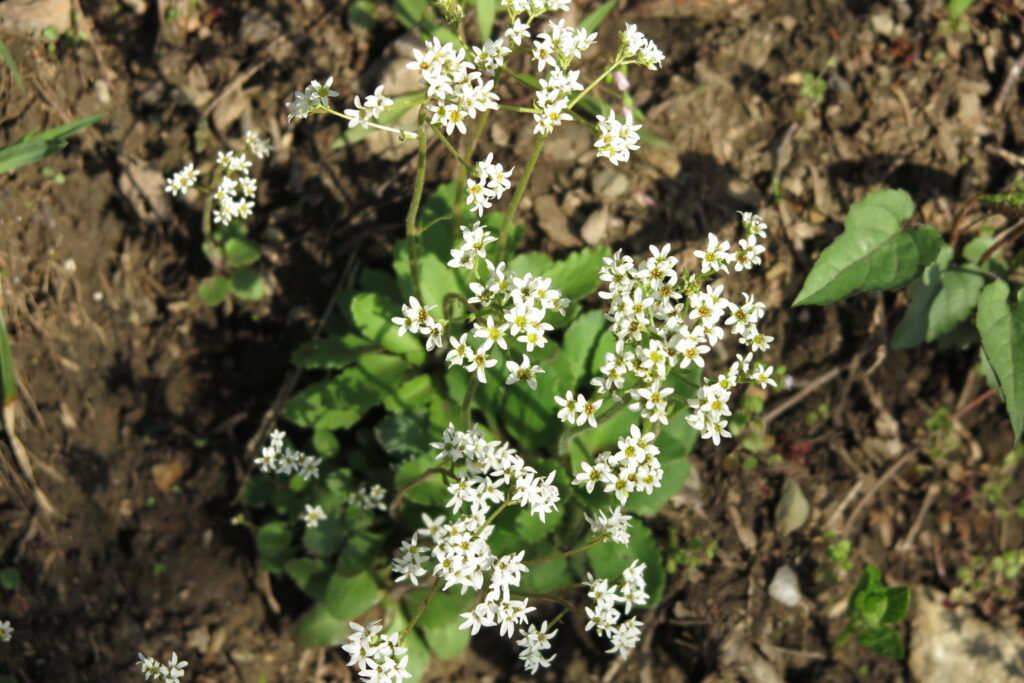
Container-grown nursery plants are often the easiest way to establish Early Saxifrage. These plants already possess developed root systems and can adapt relatively quickly when transplanted into suitable conditions. Planting holes should generally be slightly wider than the root ball while maintaining a similar depth.
When planting, roots should be positioned naturally rather than bent or crowded. Backfilling with native soil encourages roots to expand into the surrounding area. Gently firming the soil around the plant helps eliminate air pockets while maintaining adequate root contact.
Seeds provide another planting option, particularly for gardeners interested in larger naturalized plantings. Seed-grown plants often require additional patience because establishment occurs more gradually than with mature transplants. However, successful germination can produce healthy populations adapted to local conditions.
A useful comparison is the difference between moving into a completed house and building one from the ground up. Nursery plants provide a more immediate result, while seeds require time to develop. Both approaches can succeed when proper care is provided.
Spacing is also important during planting. Allowing approximately 6–12 inches between plants provides room for natural development while maintaining a cohesive appearance. Appropriate spacing improves airflow and reduces unnecessary competition during establishment.
Watering and Early Care After Planting
Water management is especially important during the weeks immediately following planting. Newly established Early Saxifrage benefits from consistent moisture while roots become established within the surrounding soil. The goal is to maintain moderate moisture without creating waterlogged conditions.
Deep watering is generally more beneficial than frequent shallow applications. Moisture that penetrates deeper into the soil encourages roots to grow downward and develop greater stability. This practice often results in healthier plants capable of tolerating future environmental fluctuations.
A useful comparison is training an athlete rather than providing temporary support. Strong root development creates long-term resilience, while shallow watering may encourage weaker growth. Establishment success often depends on these early care practices.
Mulching can provide additional support during the establishment phase. A light layer of shredded leaves or organic mulch helps conserve moisture, moderate temperature fluctuations, and reduce competition from weeds. Woodland-style mulches often complement the plant’s natural appearance particularly well.
As plants become established, care requirements gradually decrease. Healthy specimens begin functioning more independently and require less intervention. With proper planting, suitable site selection, and attentive early care, Early Saxifrage can become a long-lasting component of native gardens, woodland plantings, and naturalized landscapes, returning each spring with its distinctive display of delicate white flowers.
Popular Searches About Early Saxifrage
Explore Early Saxifrage Guide
Explore More Plants

Support Encounters World
Help support wildlife photography and get behind the scenes discoveries on Patreon.