Early Saxifrage Benefits Guide: Ecological Value, Pollinator Support, and Garden Advantages
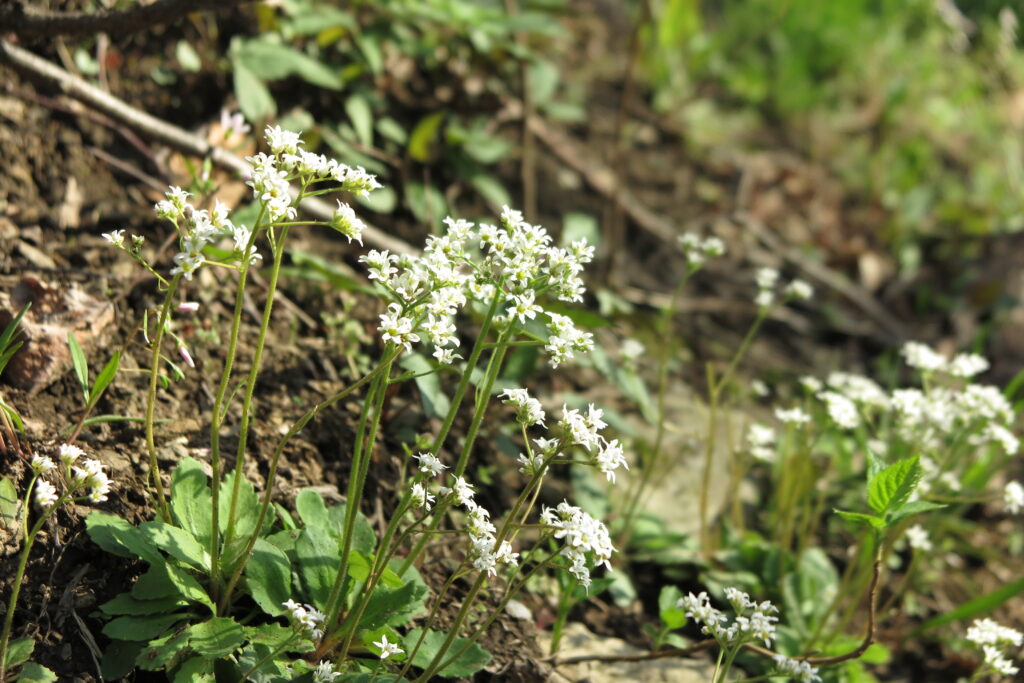
Quick Facts
Primary Benefit: Supports Early-Season Pollinators
Secondary Benefit: Native Biodiversity Enhancement
Wildlife Value: Nectar and Pollen Source
Garden Use: Woodland and Native Plant Gardens
Maintenance Level: Low
Erosion Control Value: Moderate
Conservation Importance: Supports Native Ecosystems
Why Early Saxifrage Is a Valuable Native Wildflower
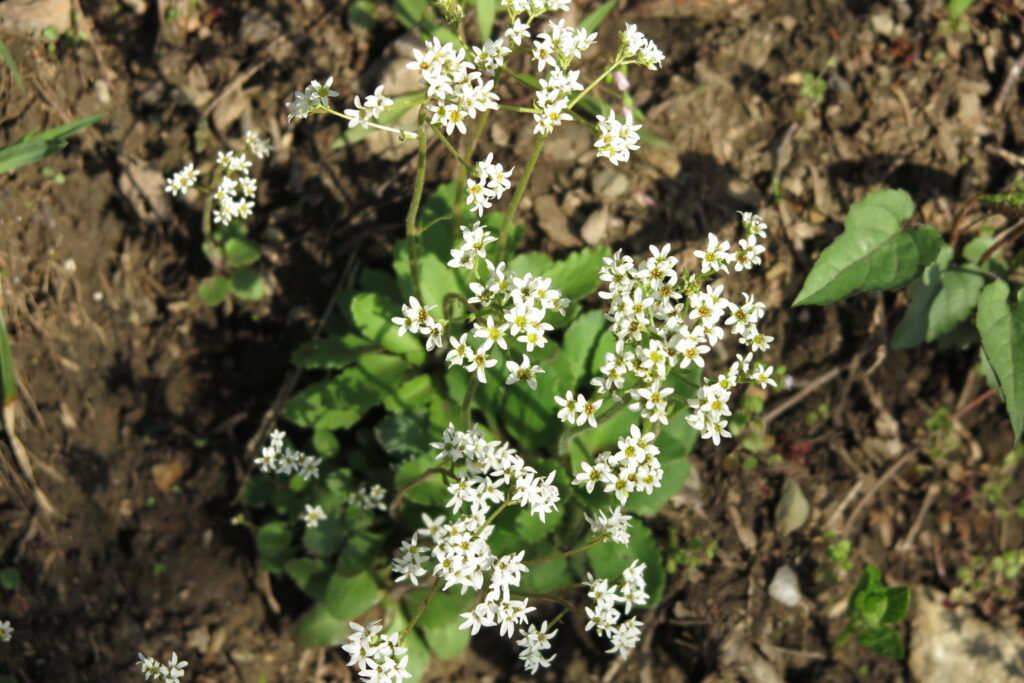
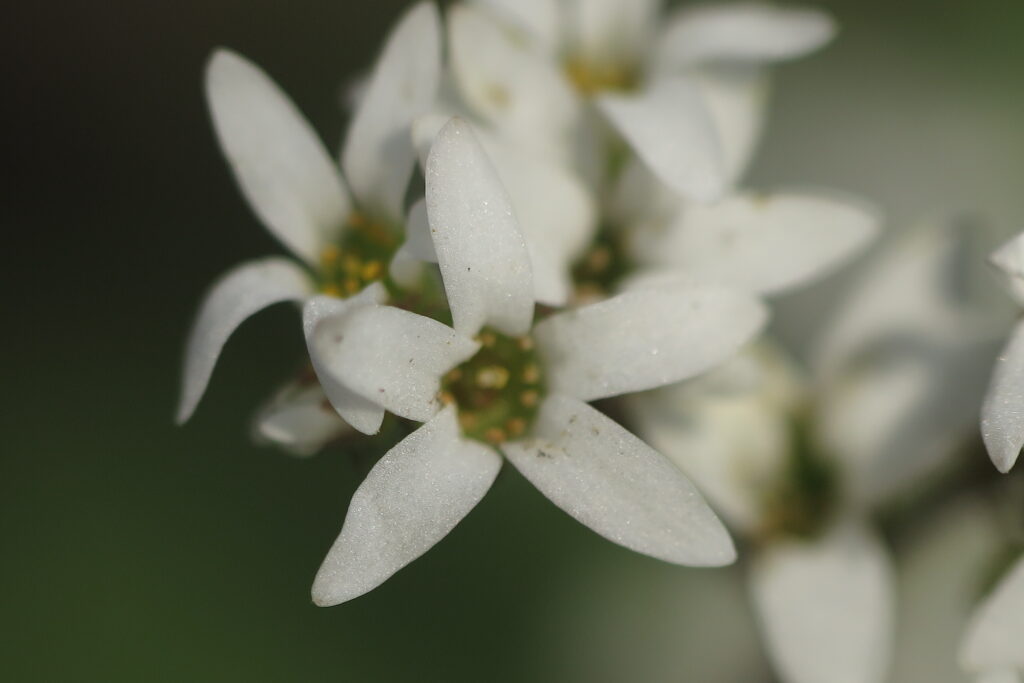
Early Saxifrage (Micranthes virginiensis) may not possess the large flowers or dramatic appearance of some ornamental plants, but it provides a variety of benefits that make it an important component of native landscapes. As one of the earlier spring-blooming wildflowers in eastern North America, it contributes both ecological and aesthetic value. Its role extends beyond simple beauty and supports a variety of natural processes.
Many native plant enthusiasts appreciate Early Saxifrage because it represents a species that evolved alongside local wildlife. These long-standing relationships allow the plant to contribute naturally to ecosystem function. Native wildflowers often provide benefits that introduced ornamentals cannot fully replicate.
The species also serves as a reminder that ecological importance is not always linked to size. Although relatively small, Early Saxifrage participates in pollinator support, biodiversity conservation, and habitat enrichment. Its presence helps strengthen native plant communities during a critical part of the growing season.
Beyond ecological contributions, the plant offers practical advantages for gardeners interested in sustainable landscaping. Low maintenance requirements, attractive flowers, and compatibility with native garden designs have made it increasingly popular among homeowners and restoration projects alike.
Early Saxifrage Benefits for Pollinators and Wildlife
One of the greatest benefits of Early Saxifrage is its value to pollinating insects. The plant blooms during a period when floral resources can be limited, providing nectar and pollen at a time when many insects are emerging from winter inactivity. These early-season resources help support pollinator survival and activity.
Native bees are among the most common visitors. Solitary bees, mining bees, and other spring-active species often utilize the flowers as a food source. Because these insects appear before many summer flowers begin blooming, access to reliable nectar sources becomes especially important.
Hoverflies, small flies, beetles, and other beneficial insects may also visit the blossoms. While not all visitors are equally effective pollinators, the collective activity supports ecological diversity. The flowers function as part of a larger network of native plant-pollinator interactions.
A useful comparison is a small grocery store opening before larger businesses begin operating. While not the largest resource available, it provides essential support when options are limited. Early Saxifrage fills a similar role by supplying food resources during a critical seasonal window.
The benefits extend beyond pollinators themselves. Healthy pollinator populations contribute to the reproduction of countless plant species throughout the ecosystem. By supporting these insects early in the season, Early Saxifrage indirectly benefits many other plants and wildlife species.
Ecological Benefits Within Native Plant Communities
Early Saxifrage contributes to biodiversity by adding another layer of plant diversity to natural landscapes. Native ecosystems function most effectively when numerous species coexist and perform different ecological roles. The presence of Early Saxifrage increases this diversity and helps strengthen overall ecosystem resilience.
Its flowering period complements those of other native wildflowers. Different species bloom at different times, creating a sequence of resources available throughout the growing season. Early Saxifrage helps fill the early portion of this schedule before many later-flowering plants become active.
A useful comparison is a relay team in which each participant contributes during a specific stage of the race. Early Saxifrage handles part of the ecological workload during spring, while other species take over later in the year. This coordinated timing helps maintain continuous support for wildlife.
The species also contributes to habitat complexity. Even small native plants influence soil conditions, provide shelter for insects, and contribute organic material to surrounding environments. These subtle effects accumulate over time and support healthier ecosystems.
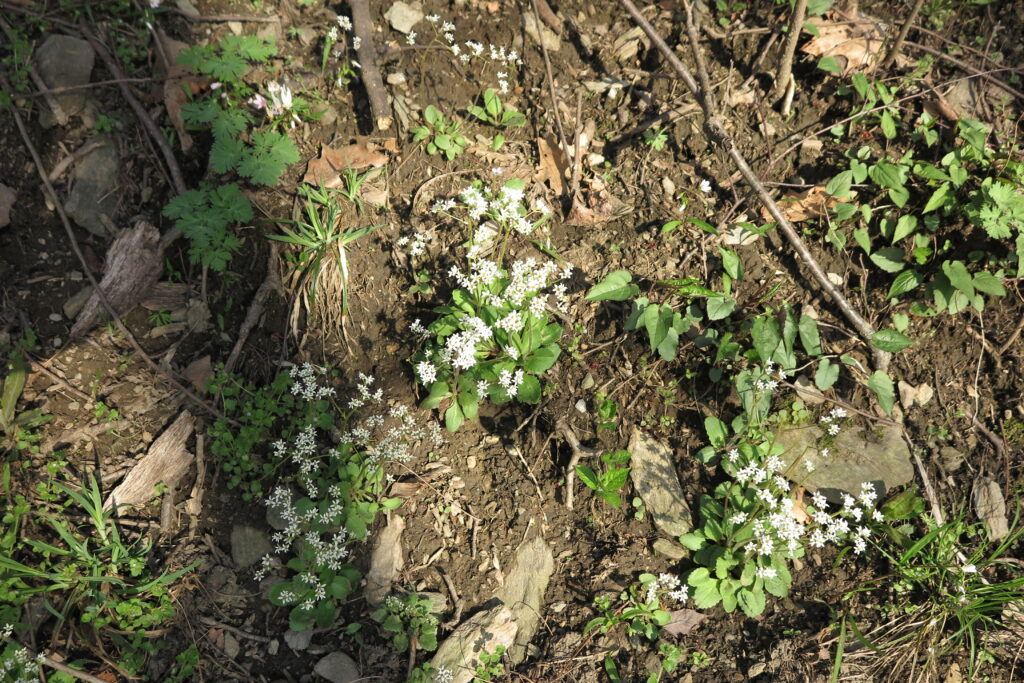
Because it is native to much of eastern North America, Early Saxifrage integrates naturally into local ecological communities. It functions as part of established relationships rather than existing as an isolated ornamental. This integration increases its overall environmental value.
Garden and Landscaping Benefits of Early Saxifrage
Gardeners often choose Early Saxifrage because it combines ecological value with visual appeal. The white flowers brighten spring landscapes and provide seasonal interest during a period when many gardens are still emerging from winter. This early display helps extend the overall flowering season within native plant gardens.
Maintenance requirements remain relatively low once plants are established. Unlike some ornamental species that require frequent pruning, fertilization, or intensive care, Early Saxifrage generally thrives with minimal intervention. This makes it attractive for gardeners seeking sustainable planting options.
A useful comparison is the difference between a high-maintenance annual display and a dependable perennial that returns each year. Early Saxifrage offers long-term benefits without demanding constant attention. Its reliability contributes significantly to its gardening appeal.
The plant also pairs well with numerous native wildflowers, ferns, and woodland perennials. These combinations create layered plantings that resemble natural ecosystems while supporting a broader range of wildlife. Such designs often provide greater ecological value than traditional ornamental landscapes.
Perhaps the greatest benefit of Early Saxifrage is the balance it offers between beauty and function. It supports pollinators, contributes to biodiversity, enhances native habitats, and adds seasonal interest to gardens. Through these combined advantages, the species demonstrates how even modest wildflowers can make meaningful contributions to both natural ecosystems and cultivated landscapes.
Popular Searches About Early Saxifrage
Explore Early Saxifrage Guide
Explore More Plants

Support Encounters World
Help support wildlife photography and get behind the scenes discoveries on Patreon.