Early Saxifrage vs Foamflower: Identification Differences, Flowers, Leaves, and Habitat Comparison
Quick Facts
Early Saxifrage Scientific Name: Micranthes virginiensis
Foamflower Scientific Name: Tiarella cordifolia
Plant Family: Saxifrage Family (Both Species)
Flower Color: White vs White
Growth Form: Upright Clumps vs Spreading Groundcover
Blooming Season: Early Spring vs Mid-Spring
Main Difference: Branched Flower Clusters vs Foamy Flower Spikes
Early Saxifrage and Foamflower Overview
Early Saxifrage and Foamflower are two native woodland wildflowers frequently encountered throughout eastern North America. Both species produce attractive white flowers during spring and often grow in similar natural settings. Because they bloom around the same time and belong to the same plant family, they are occasionally confused by beginning wildflower enthusiasts.
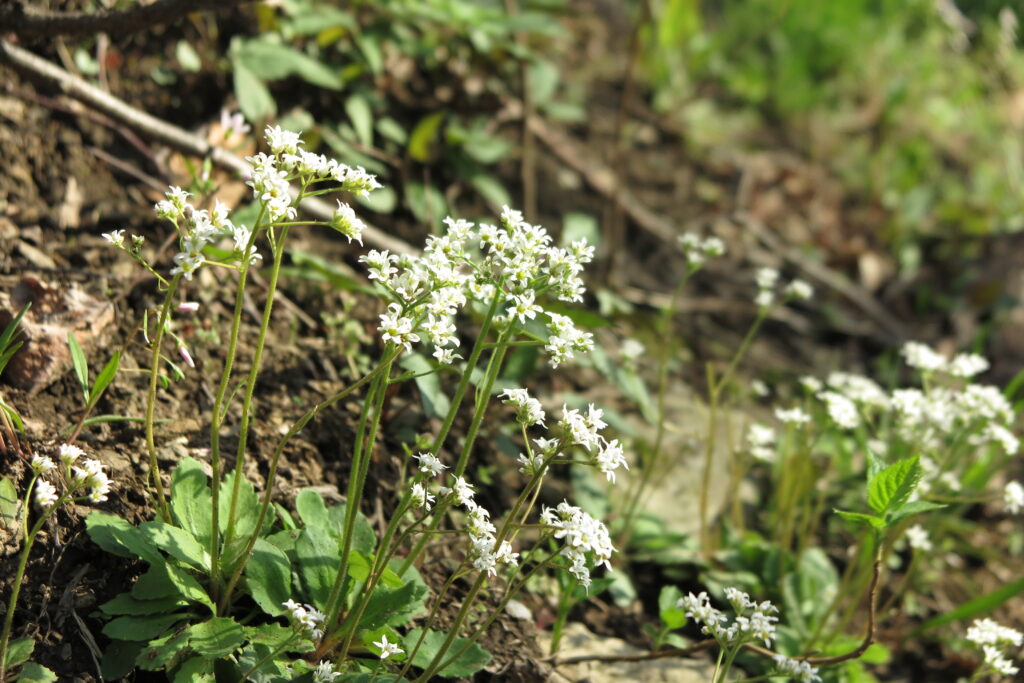
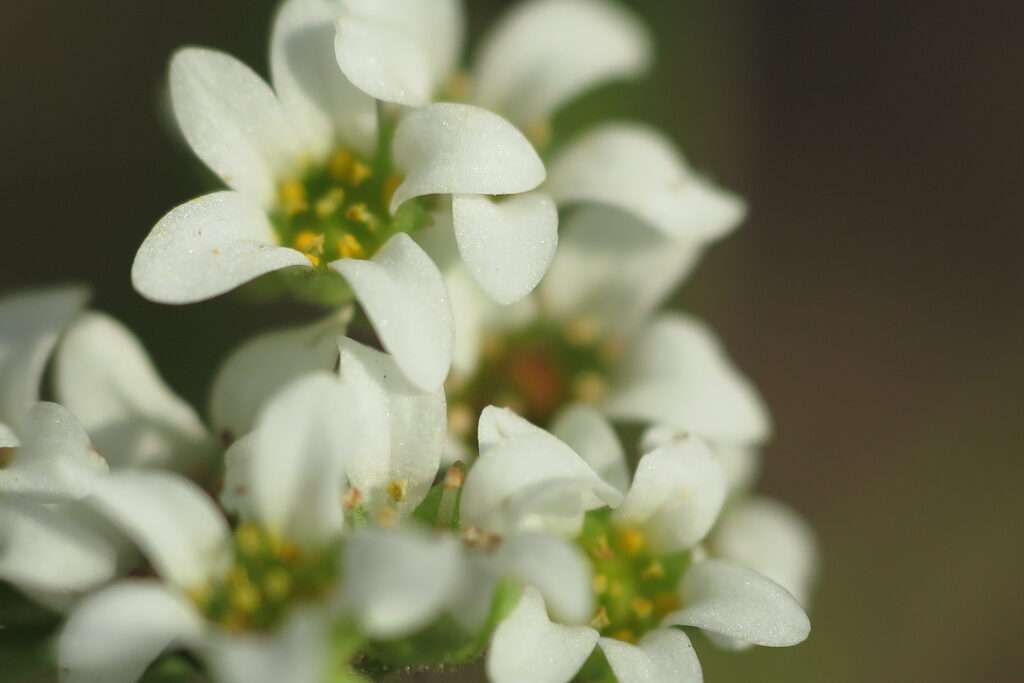
Early Saxifrage (Micranthes virginiensis) is recognized for its airy clusters of small white flowers held above a compact basal rosette of leaves. The plant creates a delicate appearance that stands out against the forest floor during the early stages of spring. Its flowering stems are slender and often appear taller than the foliage below.
Foamflower (Tiarella cordifolia) presents a noticeably different visual impression despite sharing white flowers. Instead of producing open clusters, Foamflower develops dense spikes covered with numerous star-like blossoms. These spikes create a soft, frothy appearance that inspired the plant’s common name.
Both species contribute beauty and ecological value to native landscapes, yet careful observation reveals significant differences. Flower arrangement, leaf shape, growth style, and overall appearance all provide reliable identification clues. Understanding these distinctions makes field identification much easier.
Comparing Overall Appearance and Growth Form
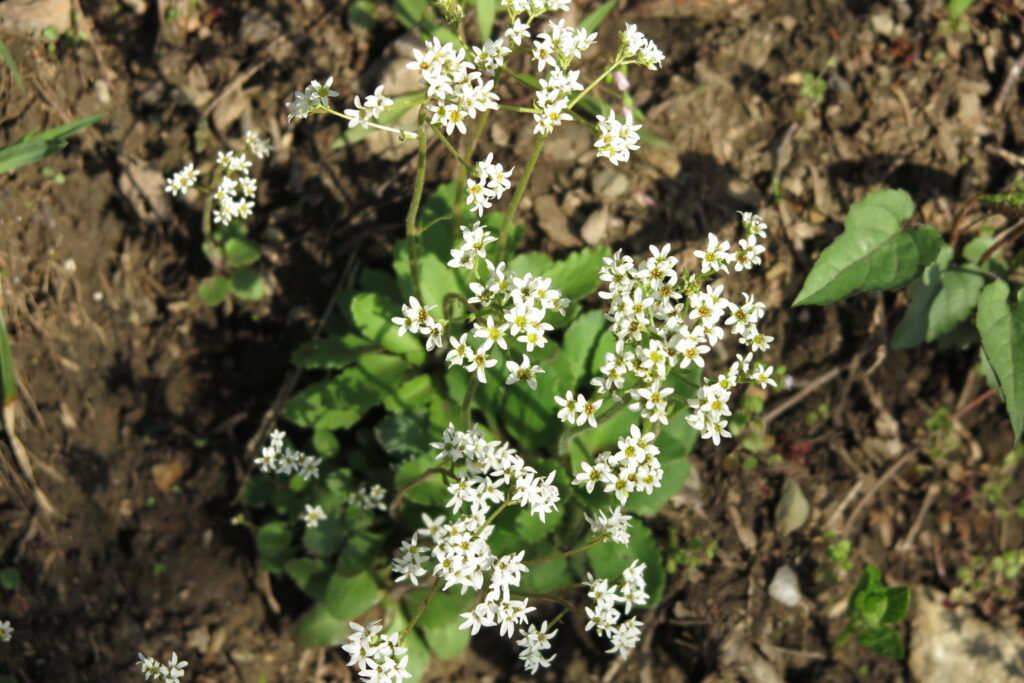
One of the easiest differences to notice is the overall structure of each plant. Early Saxifrage grows as a compact clump with upright flowering stems emerging from a basal rosette. The flowers appear suspended above the foliage, creating an open and airy display.
Foamflower develops a broader, more spreading appearance. Many populations gradually form colonies through short runners, creating patches of interconnected plants. This tendency gives Foamflower a fuller and more continuous presence across the forest floor.
A useful comparison is the difference between a small bouquet and a decorative carpet. Early Saxifrage resembles a collection of flowers rising from a single point, while Foamflower often creates broader patches that spread across available space. This contrast becomes especially obvious when mature populations are viewed side by side.
The flowering stems also contribute to the distinction. Early Saxifrage typically displays branching stems supporting loose flower clusters. Foamflower usually produces upright flower spikes with blossoms densely arranged along the stem, resulting in a more concentrated floral display.
From a distance, Early Saxifrage often appears delicate and lightly structured. Foamflower generally creates a denser and more textured visual effect. These differences in growth form remain among the most reliable identification characteristics.
Leaf, Stem, and Structural Differences
Leaf shape provides another important identification feature. Early Saxifrage develops rounded to oval leaves arranged in a basal rosette near the ground. The foliage remains relatively simple in shape and lacks dramatic lobes or divisions.
Foamflower leaves are much more distinctive. Most display heart-shaped bases and prominent lobes that give them a maple-like appearance. The leaf margins are more deeply defined than those of Early Saxifrage, making the two species easy to separate when foliage is examined closely.
A useful comparison is the difference between a rounded spoon and a small maple leaf. Early Saxifrage leaves generally maintain smoother outlines, while Foamflower leaves possess more dramatic contours and visual complexity. This contrast is often visible even when flowers are absent.
Stem characteristics differ as well. Early Saxifrage produces slender stems that branch near the upper portion of the plant. Foamflower flowering stems typically remain more spike-like and upright, emphasizing the dense arrangement of blossoms.
The foliage arrangement further strengthens identification. Early Saxifrage concentrates leaves near the base, creating a clear separation between foliage and flowers. Foamflower often appears fuller because of its broader leaf display and tendency to form interconnected colonies.
Flower Differences and Field Identification Tips
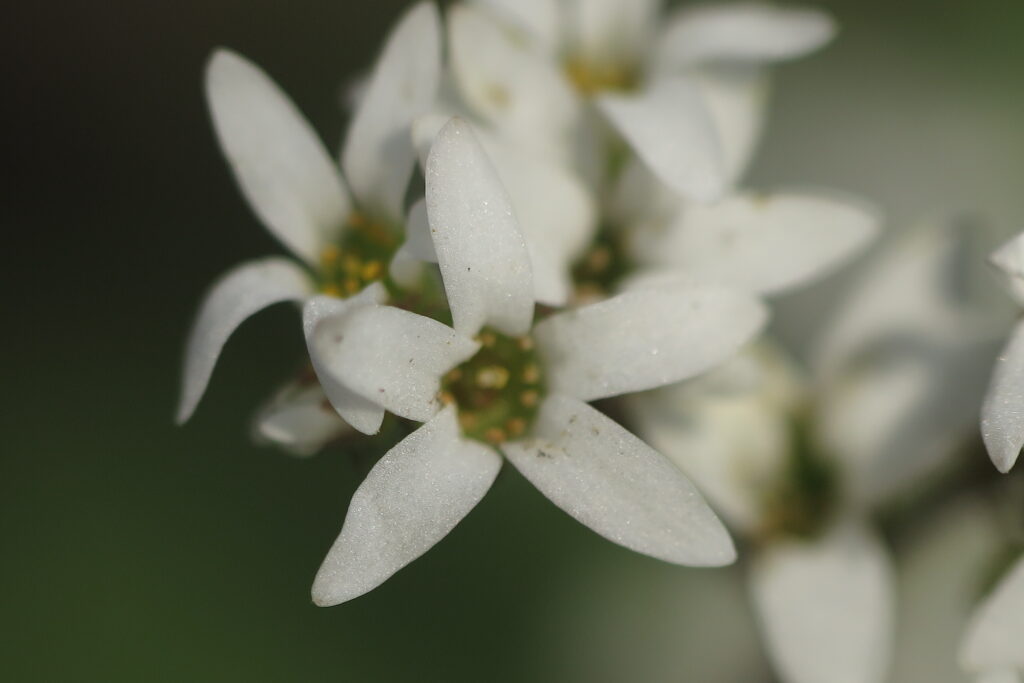
The flowers provide the most definitive way to distinguish these two species. Early Saxifrage produces small white flowers arranged in open branching clusters. Individual blossoms are separated enough to create a loose and airy appearance rather than a dense floral mass.
Foamflower flowers are arranged along elongated spikes and occur in much greater numbers. The blossoms possess long, slender stamens that project outward, giving the flower spike a fuzzy or foamy appearance. This characteristic is responsible for the plant’s common name and serves as one of its most recognizable features.
A useful comparison is the difference between a spray of tiny stars and a bottlebrush. Early Saxifrage resembles a branching spray of individual flowers, while Foamflower creates a vertical column densely covered with blooms. This distinction remains obvious even from several feet away.
Flowering displays also create different visual effects. Early Saxifrage appears light and delicate, with blossoms spaced apart along branching stems. Foamflower creates a richer and denser display because numerous flowers are concentrated along each spike.
For field identification, begin by examining flower arrangement. If the flowers occur in loose clusters atop branching stems, Early Saxifrage is the likely candidate. If the blossoms form a dense, frothy spike with prominent stamens, Foamflower is the correct identification. When combined with differences in leaf shape and growth form, these floral characteristics make separating the two species relatively straightforward in woodland habitats throughout eastern North America.
Popular Searches About Early Saxifrage
Explore Early Saxifrage Guide
Explore More Plants

Support Encounters World
Help support wildlife photography and get behind the scenes discoveries on Patreon.