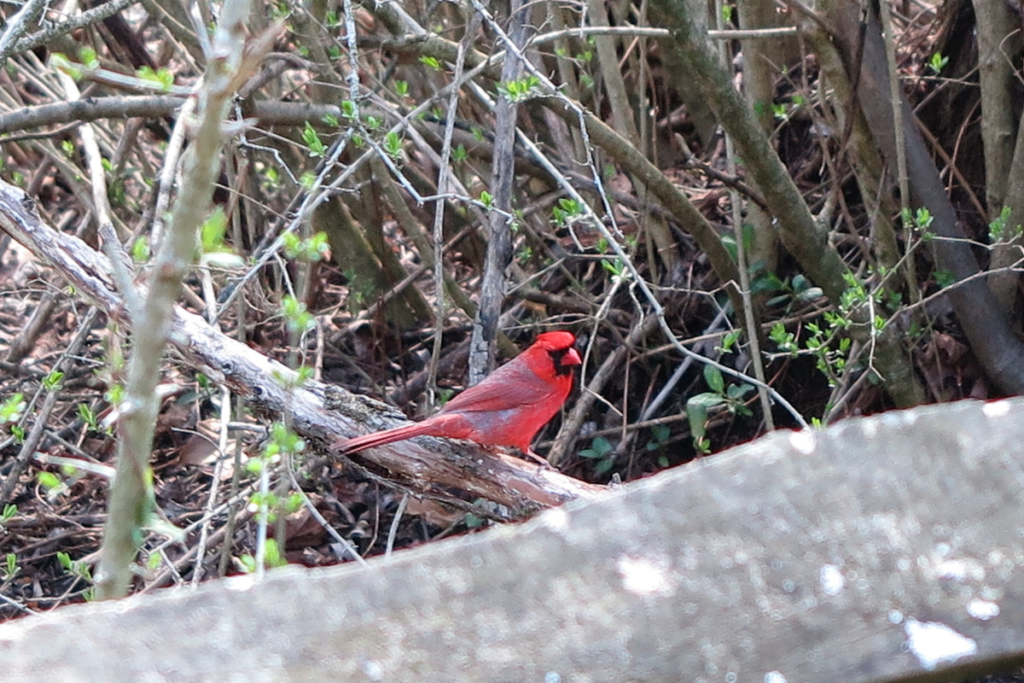
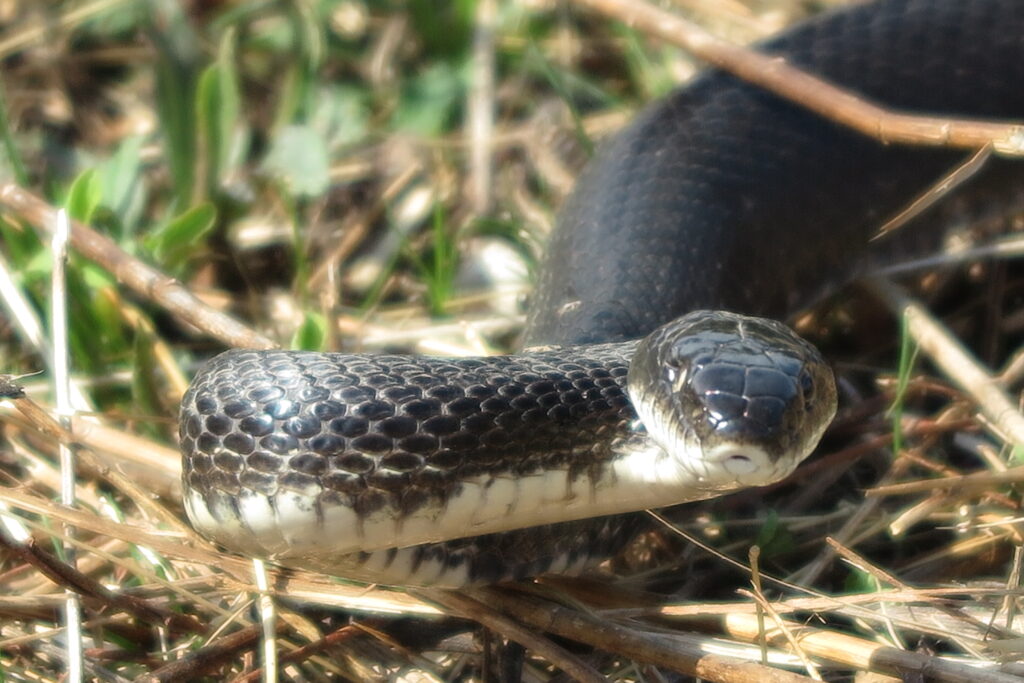
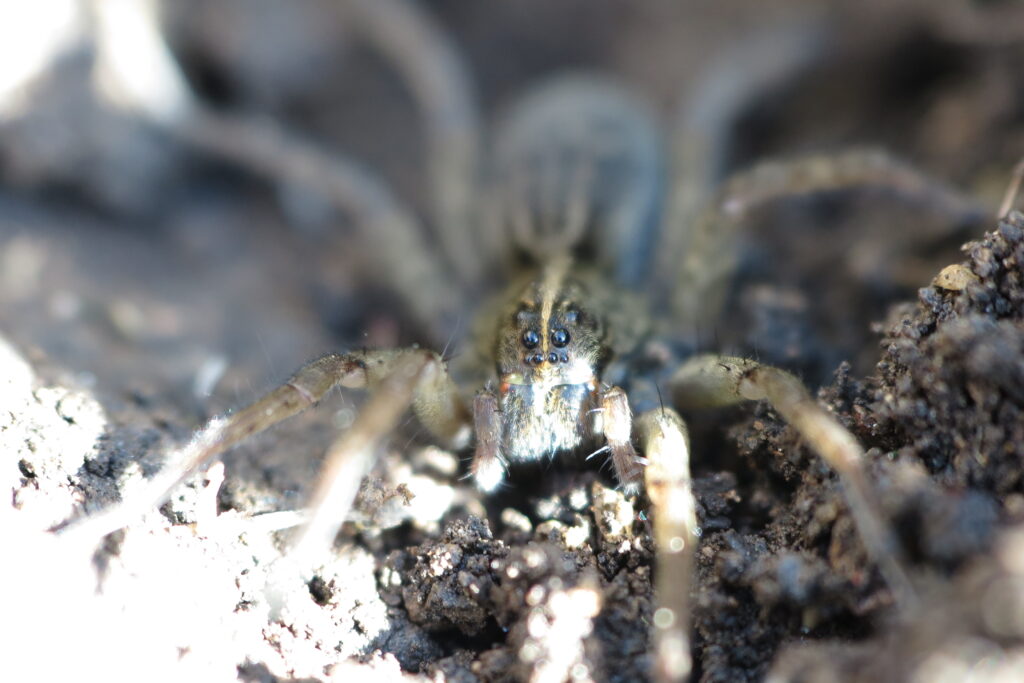
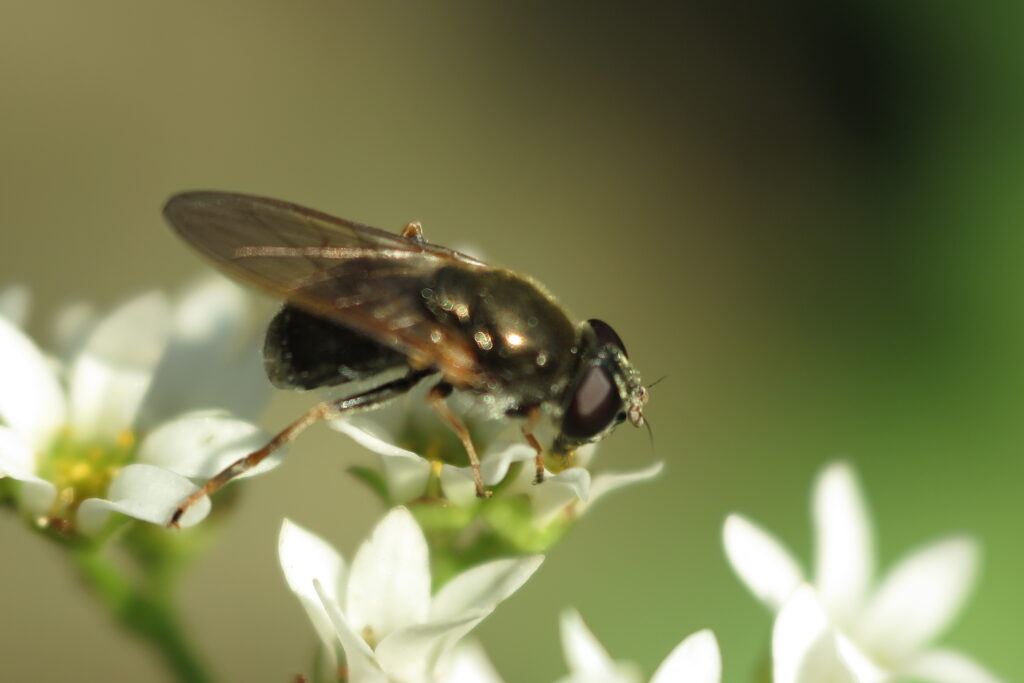
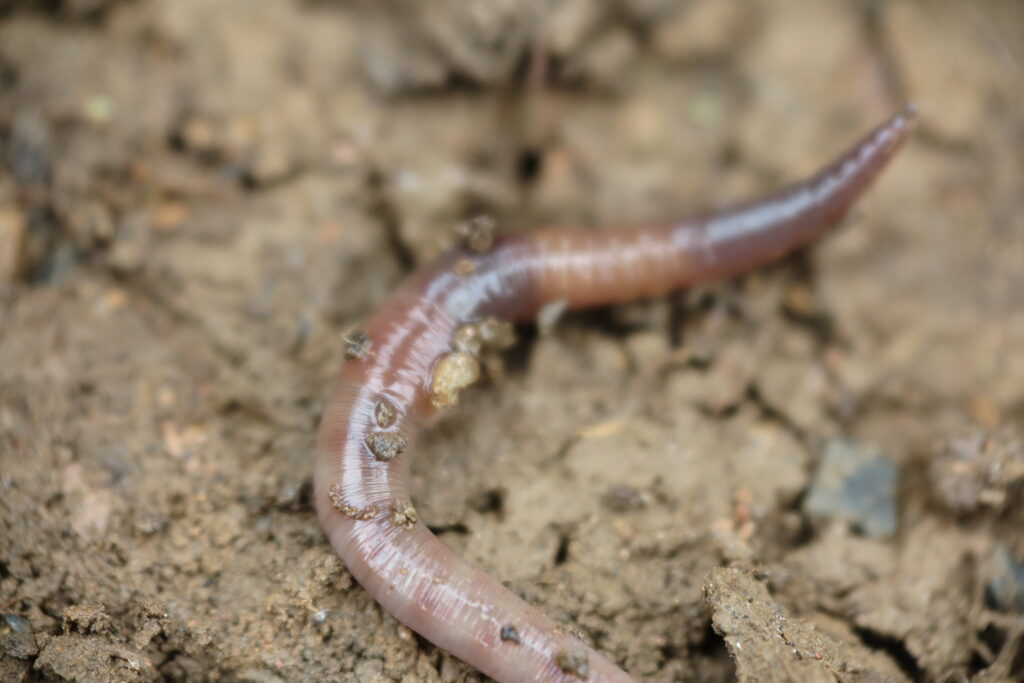
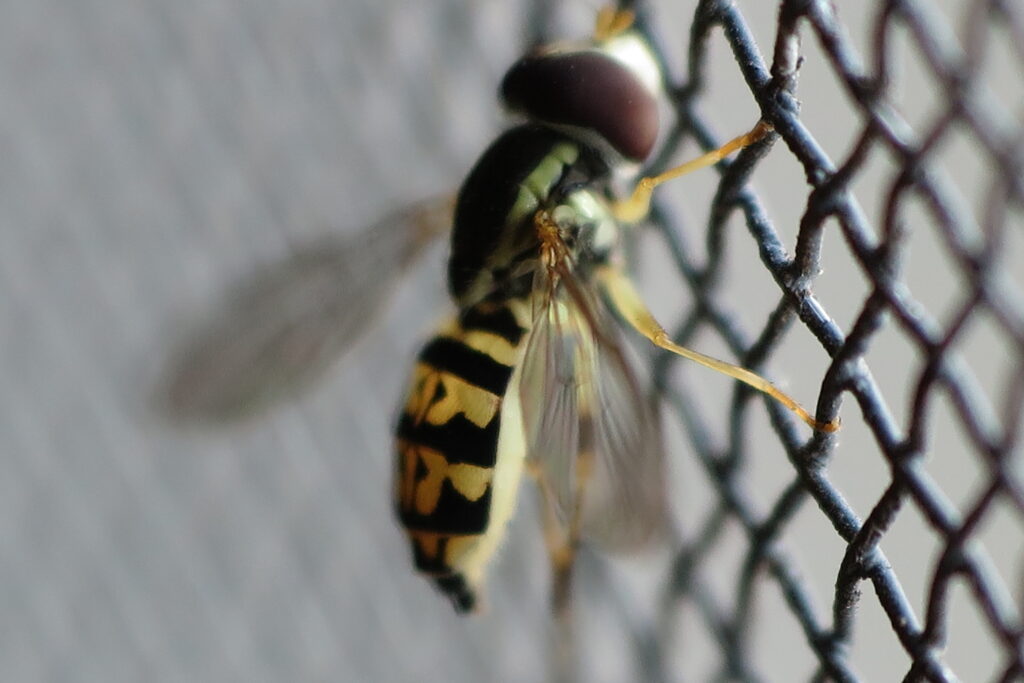
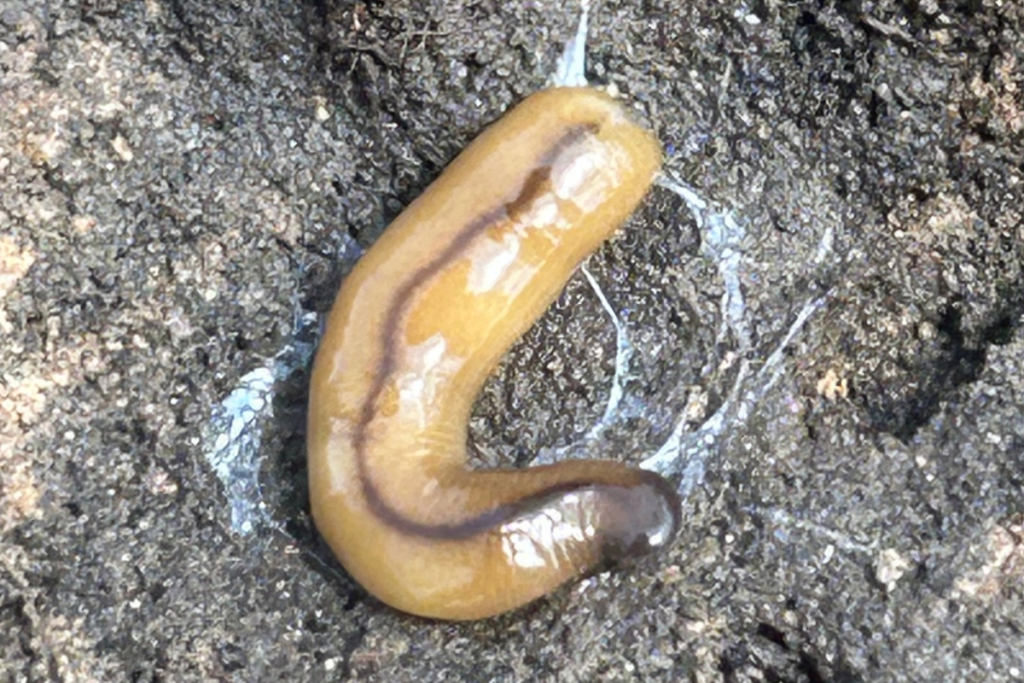
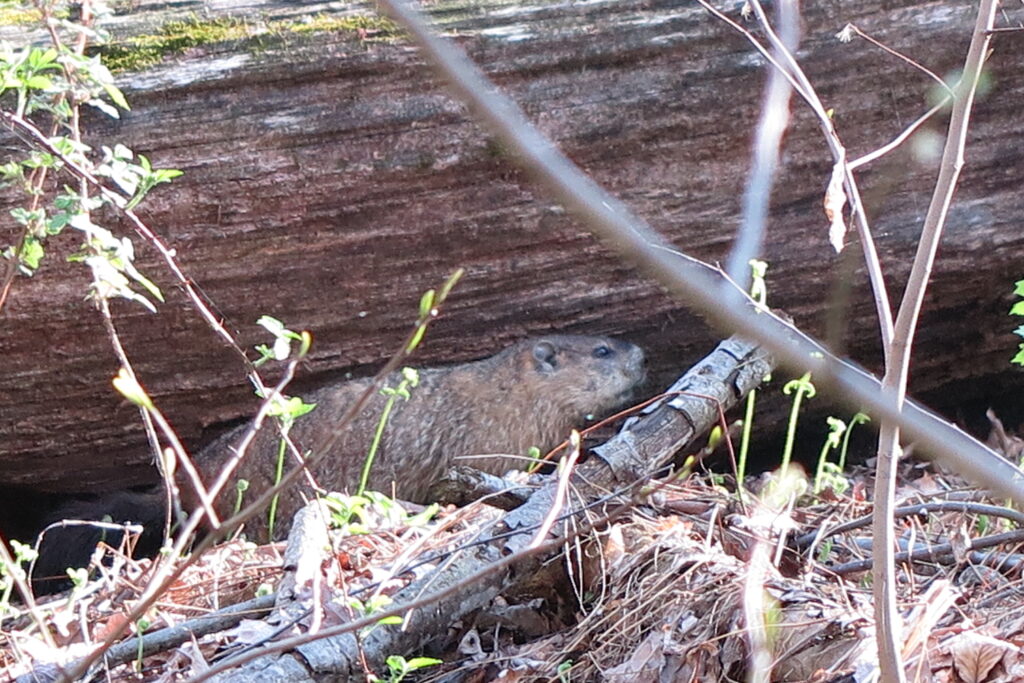
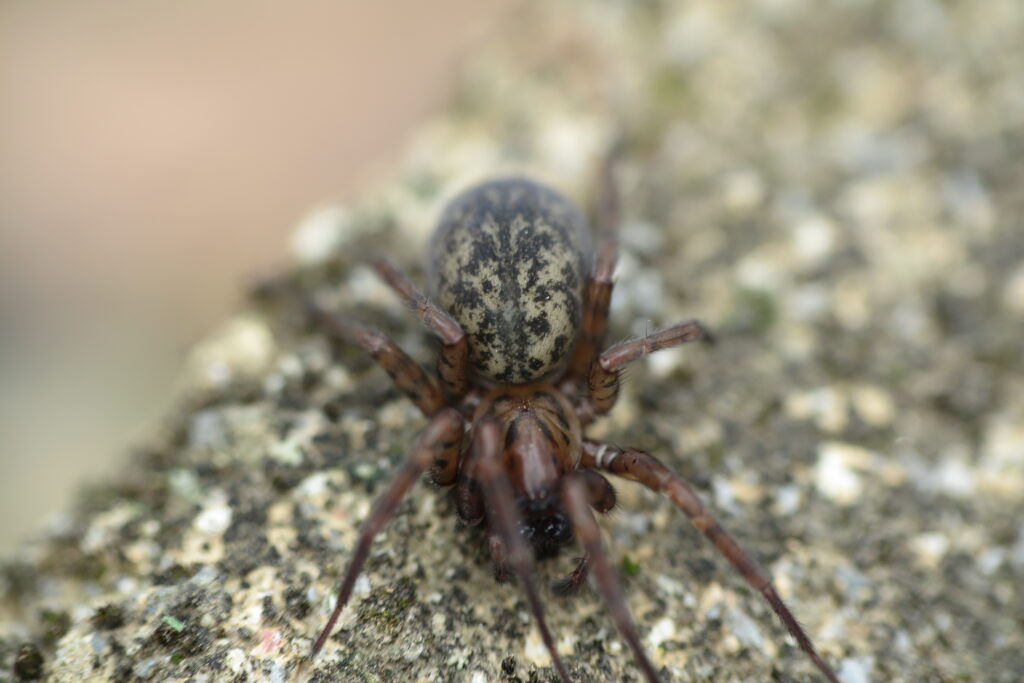
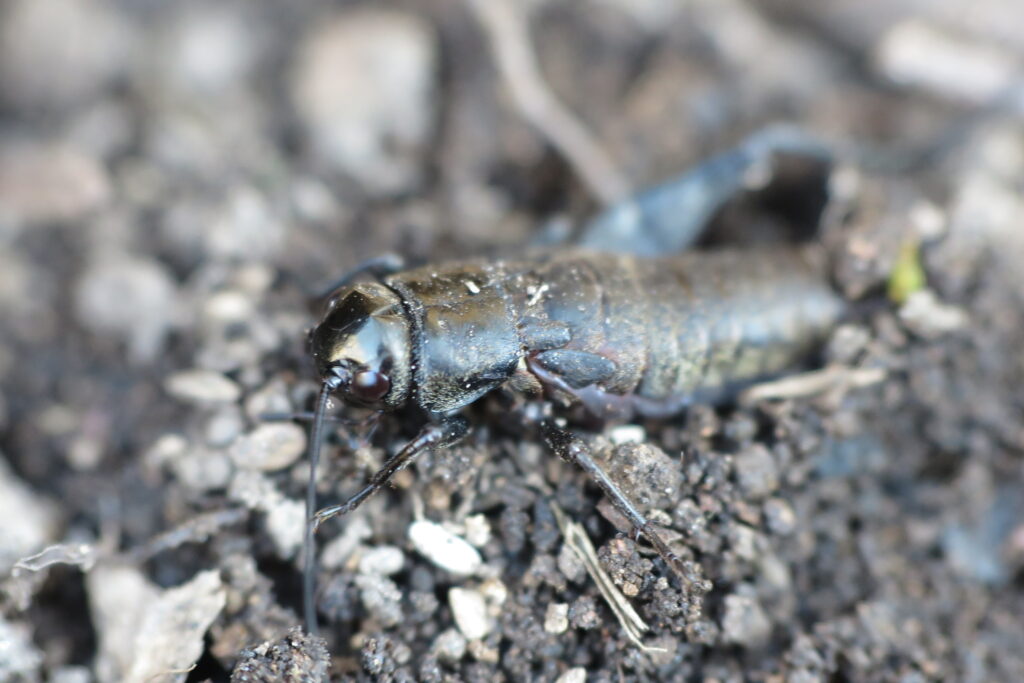
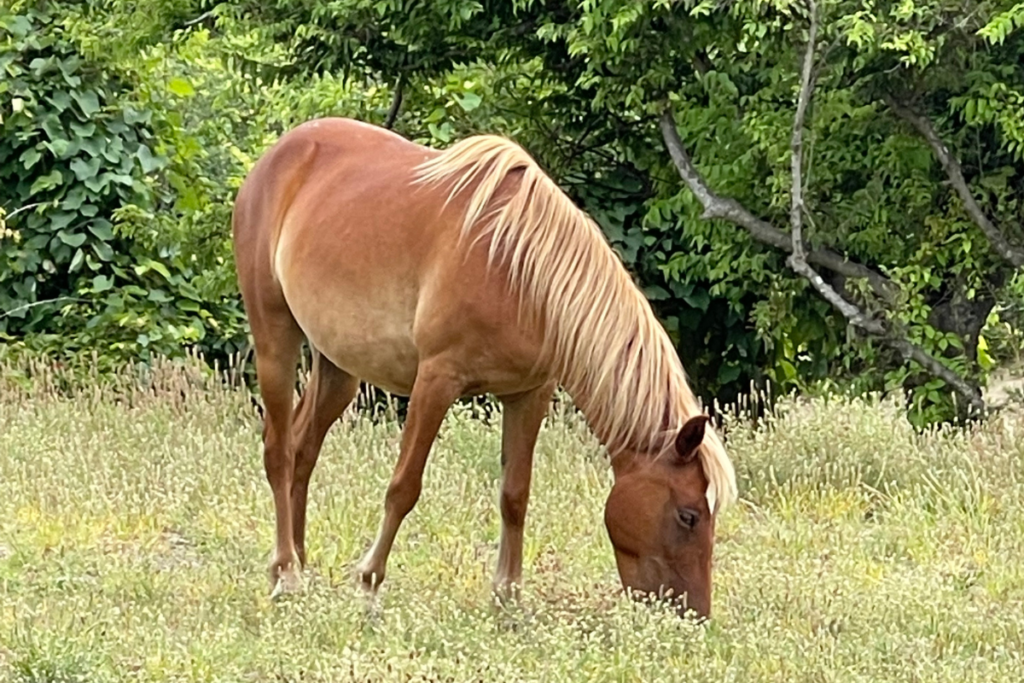
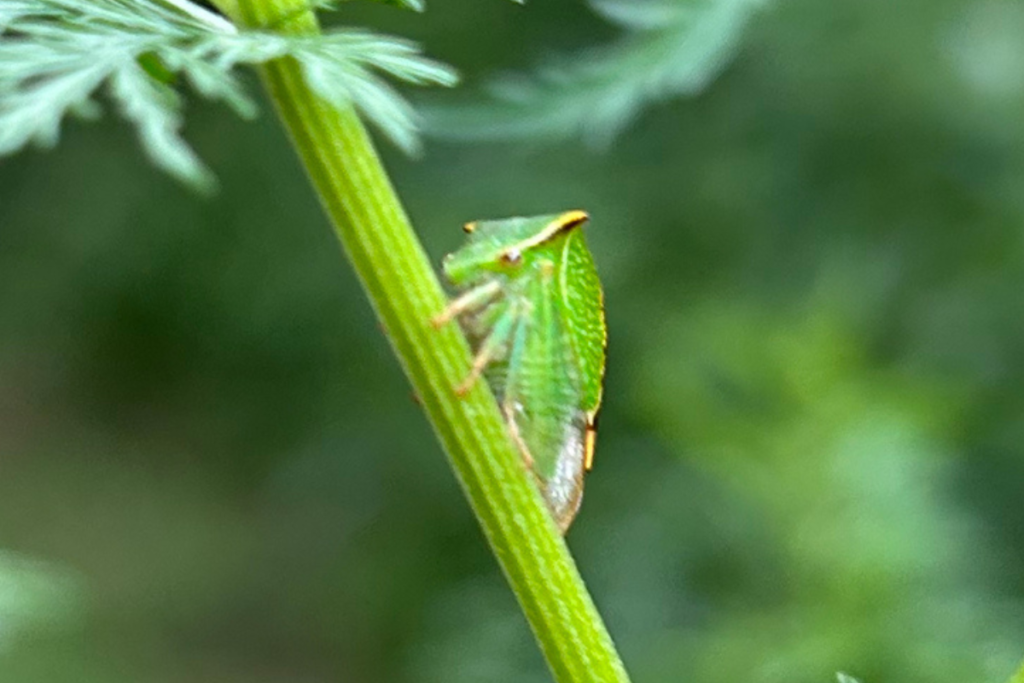
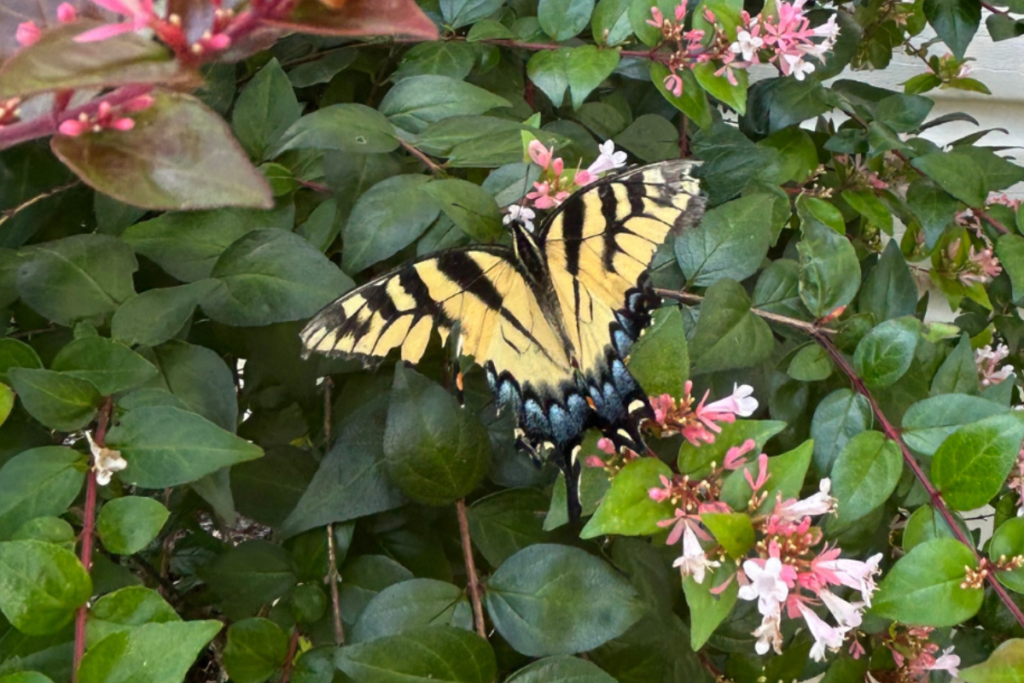
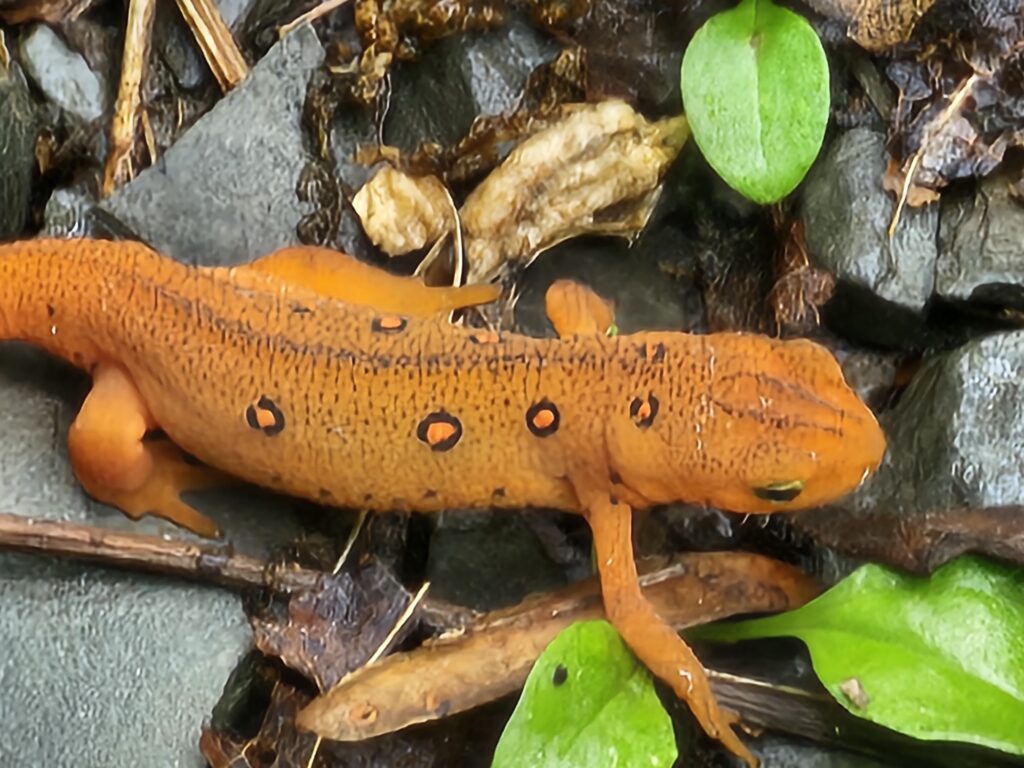
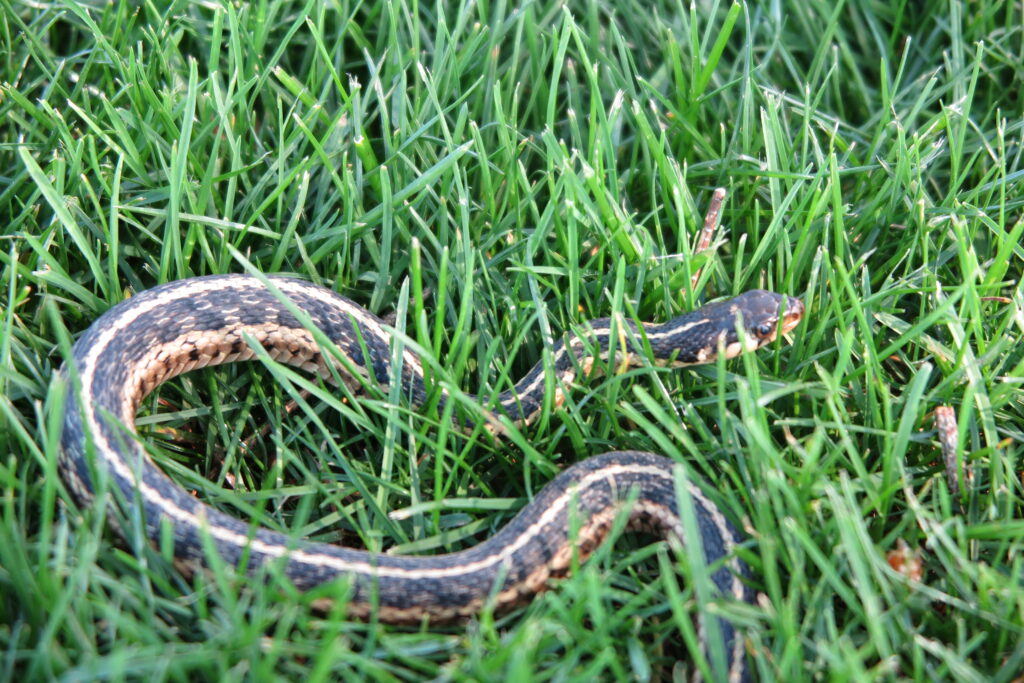
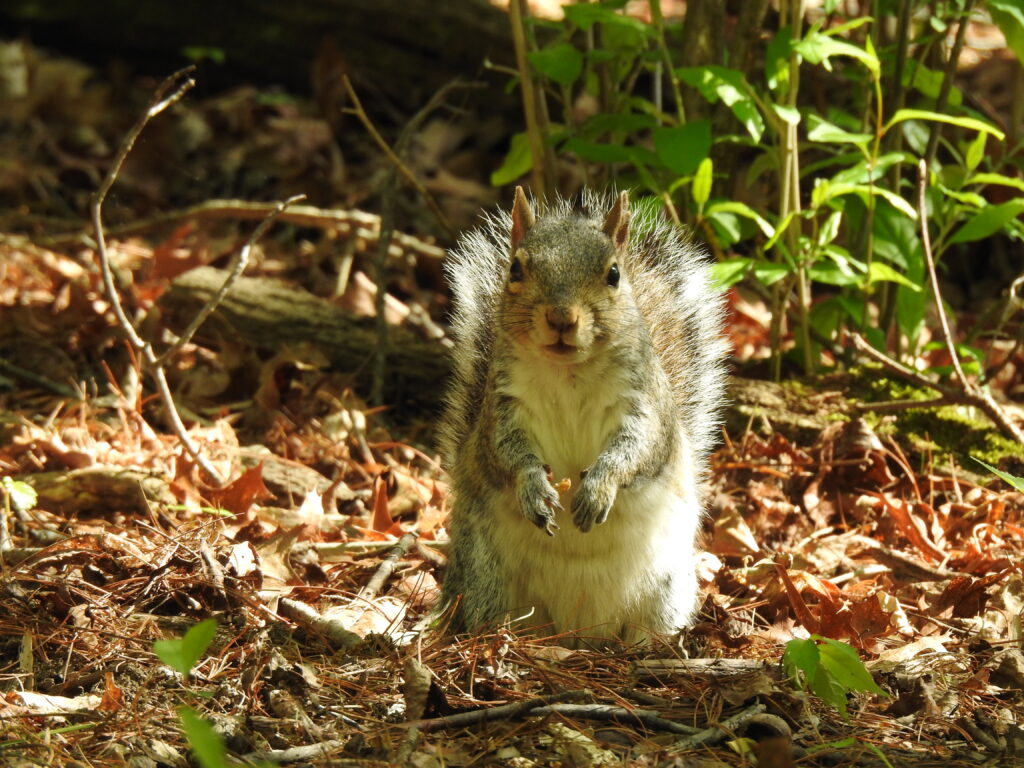
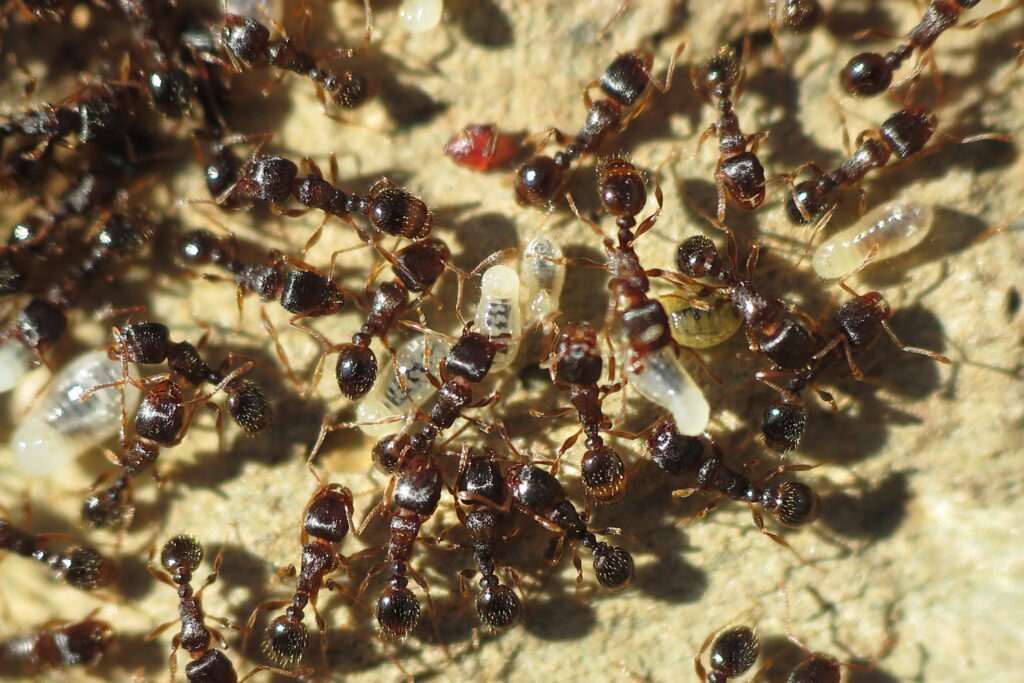
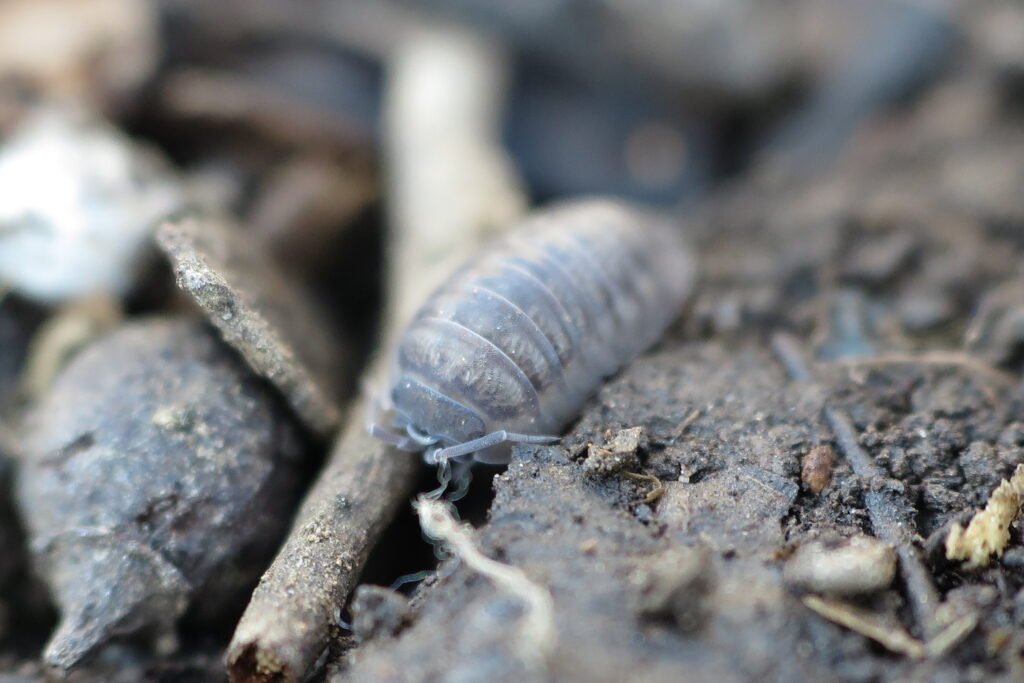
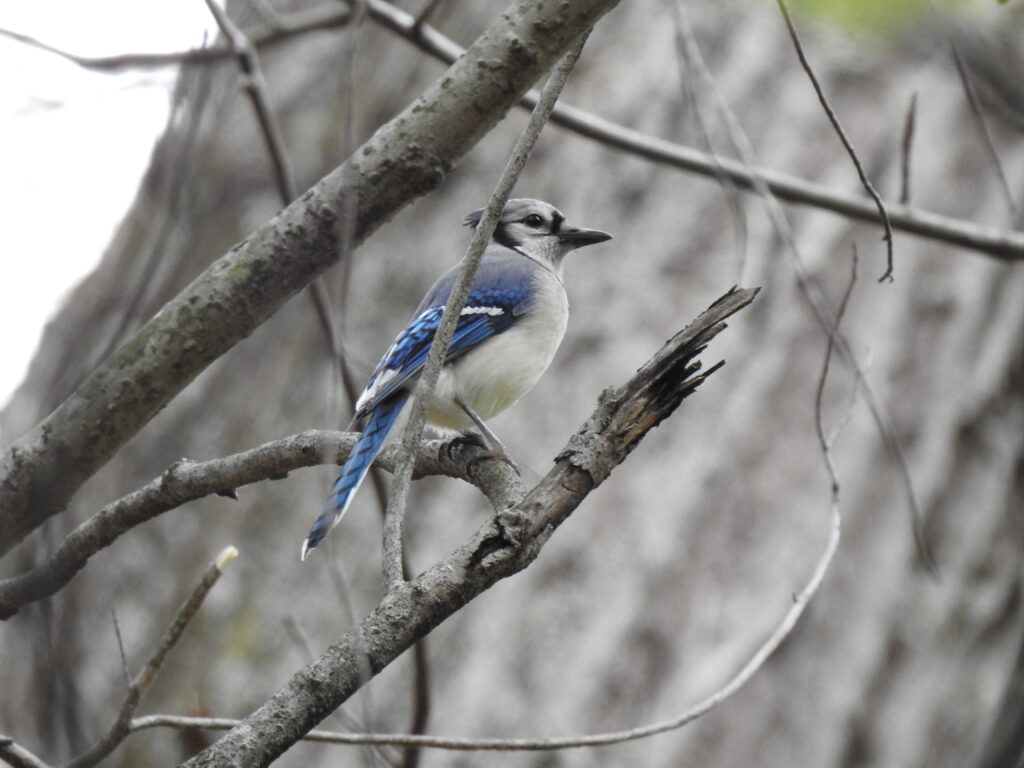
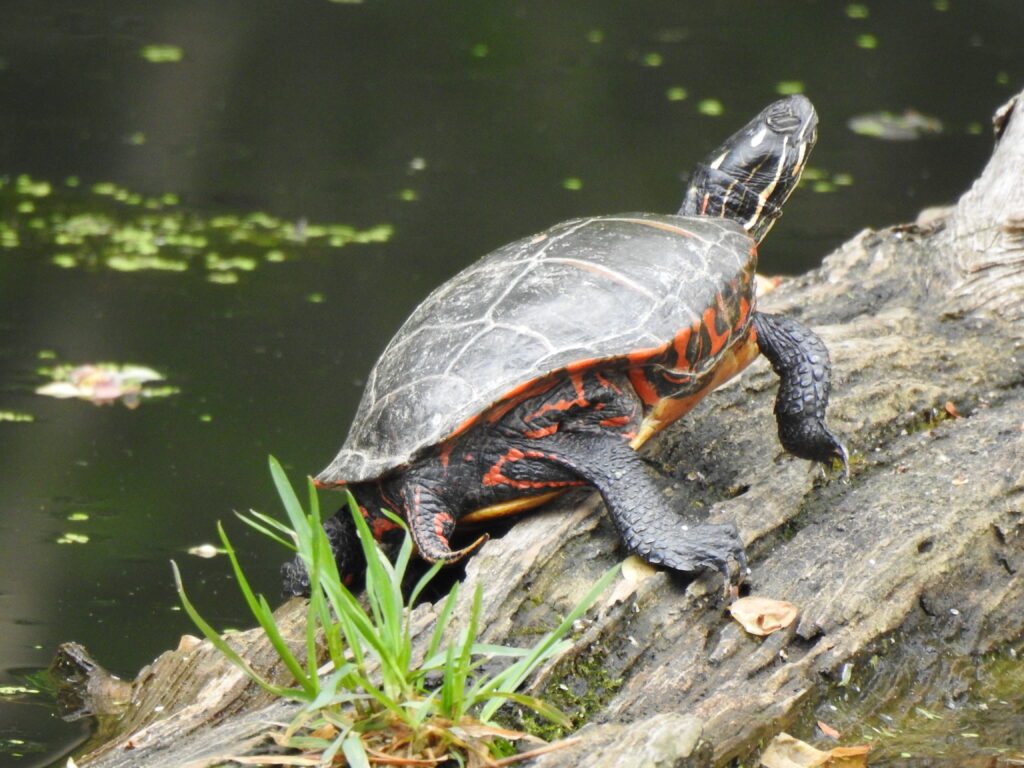
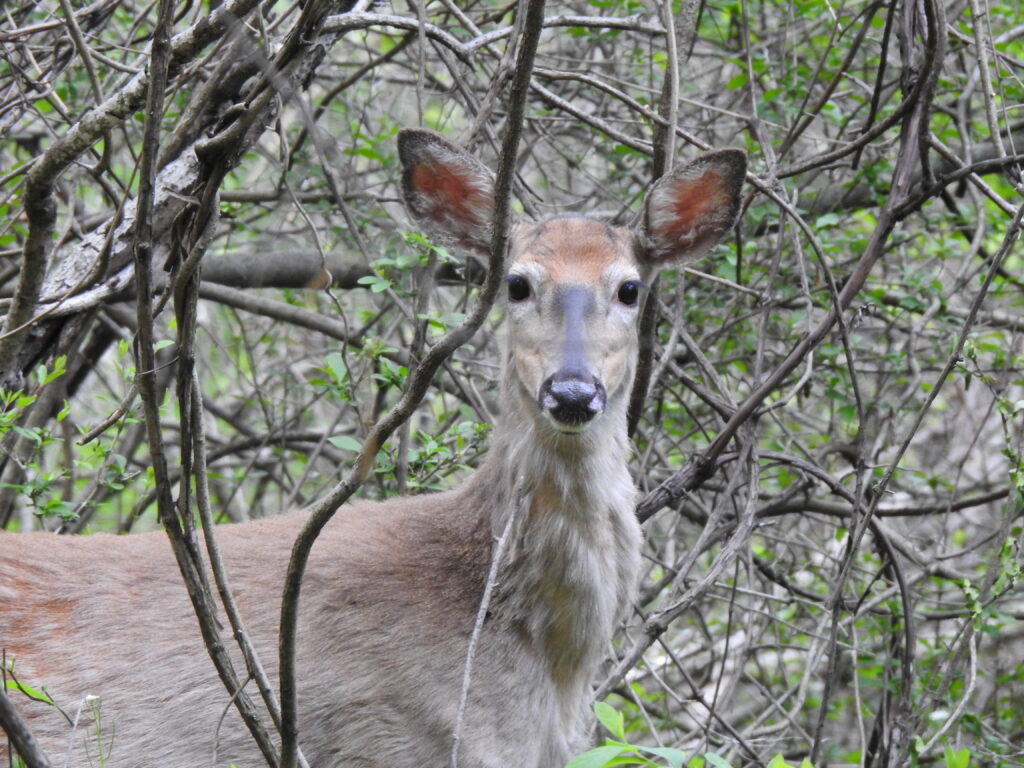
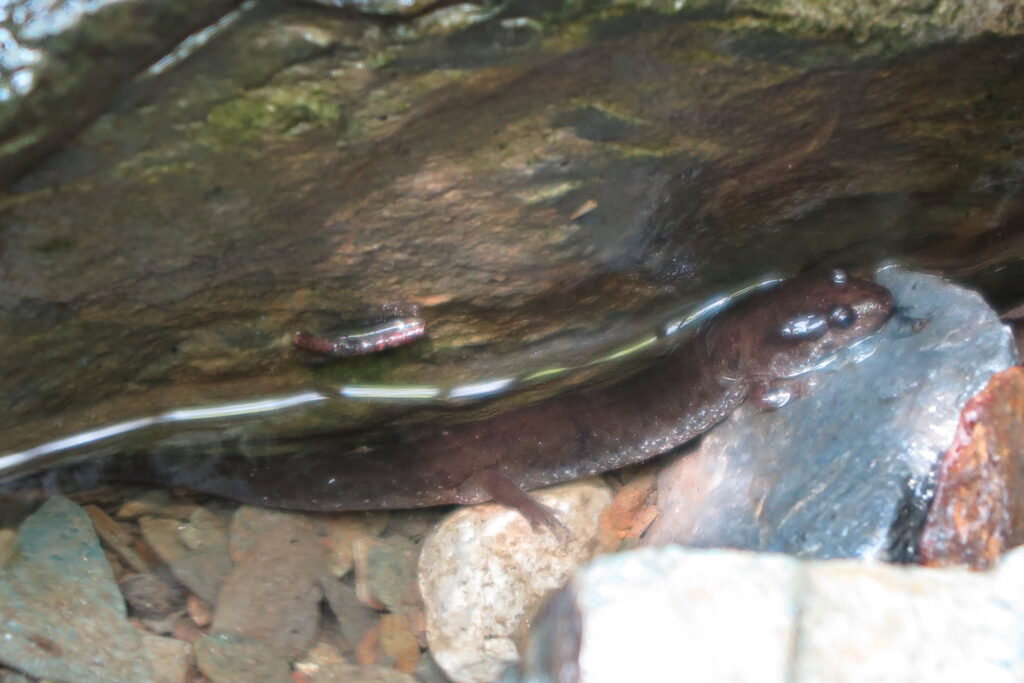
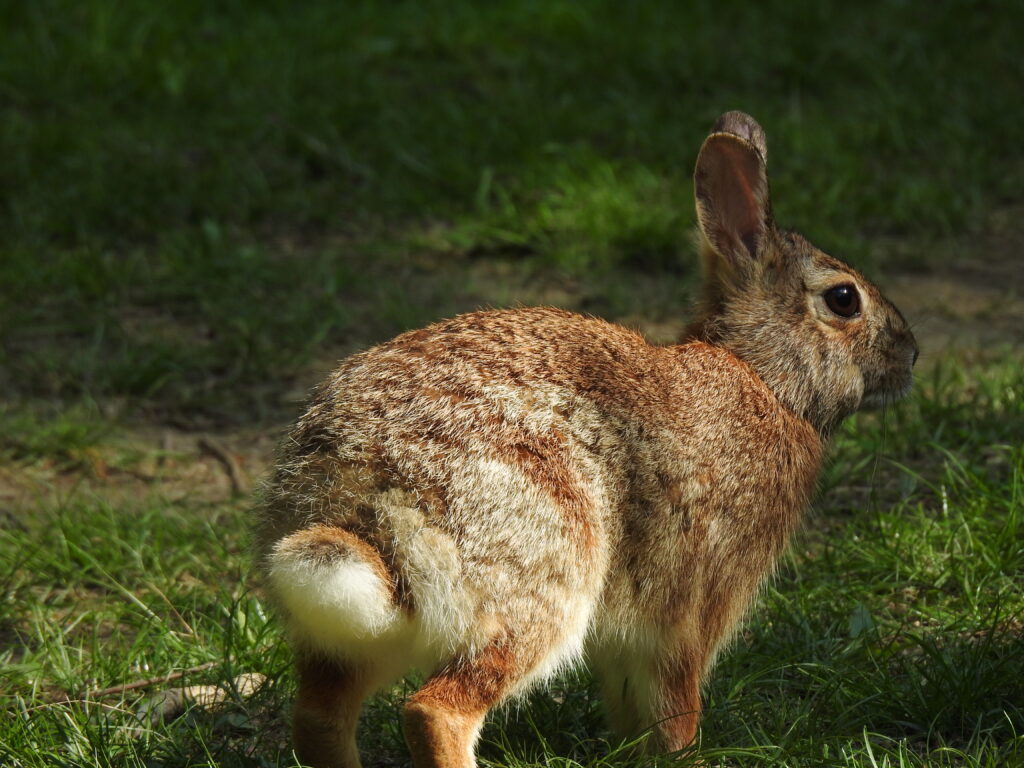
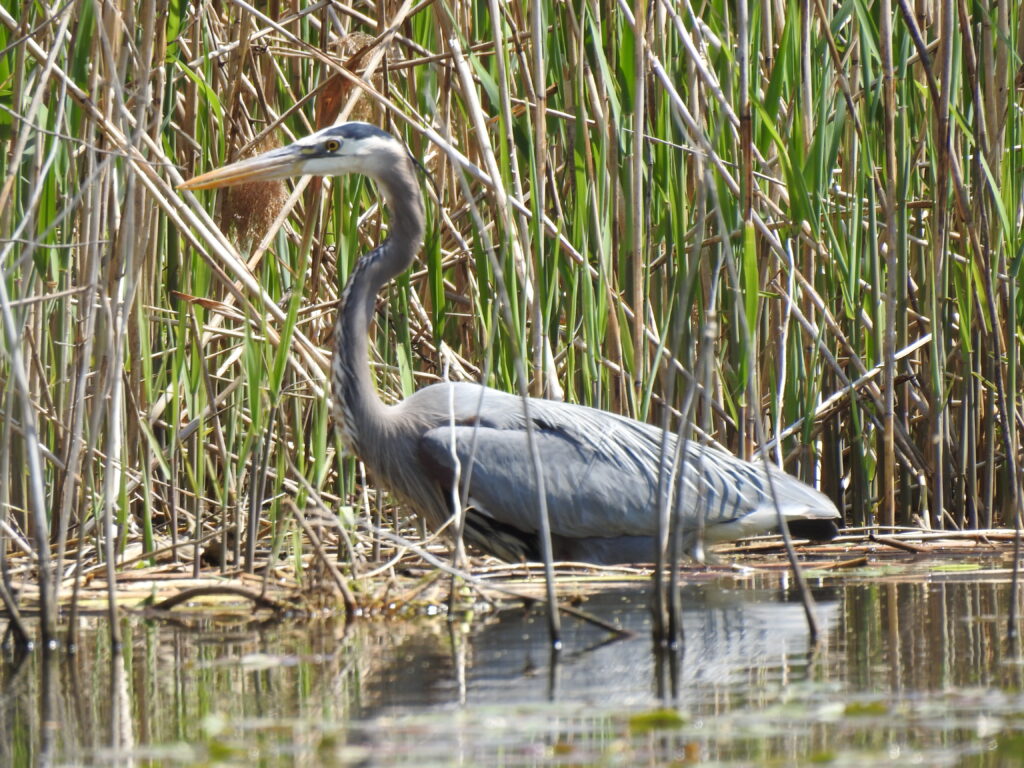
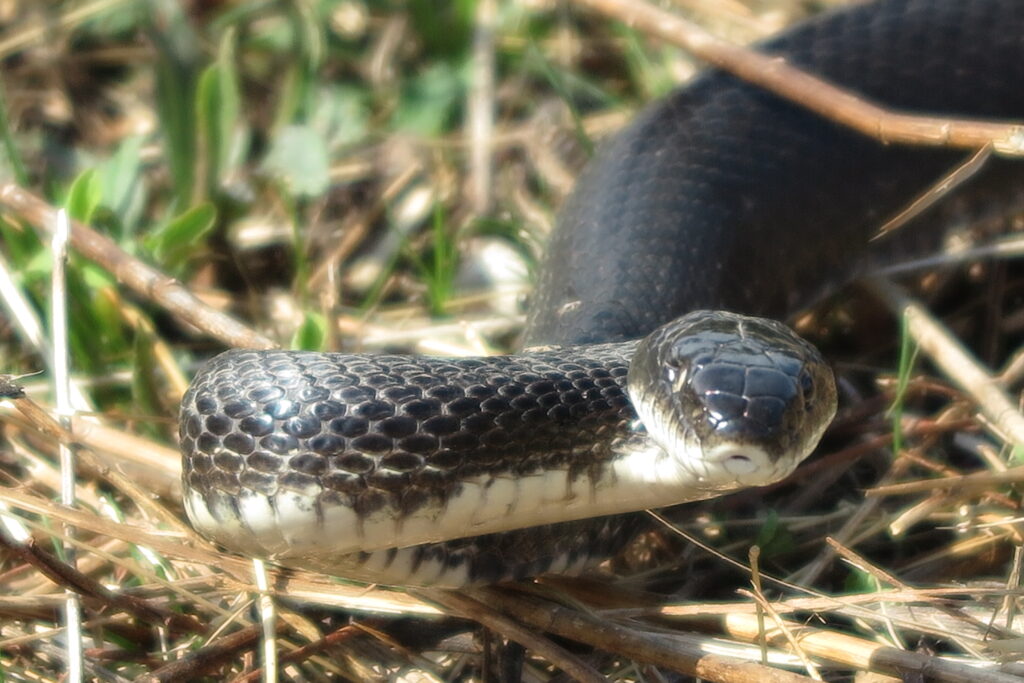
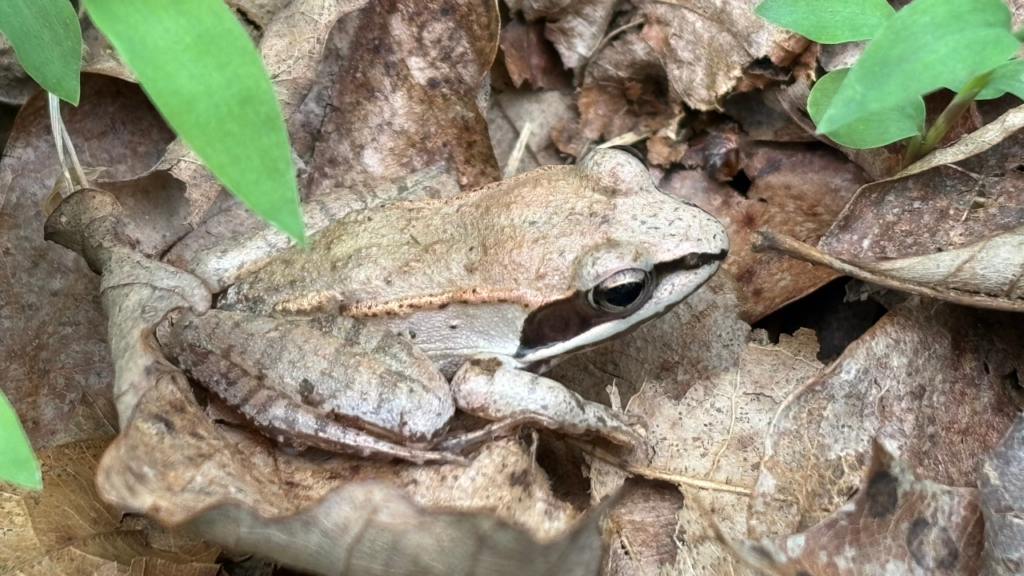
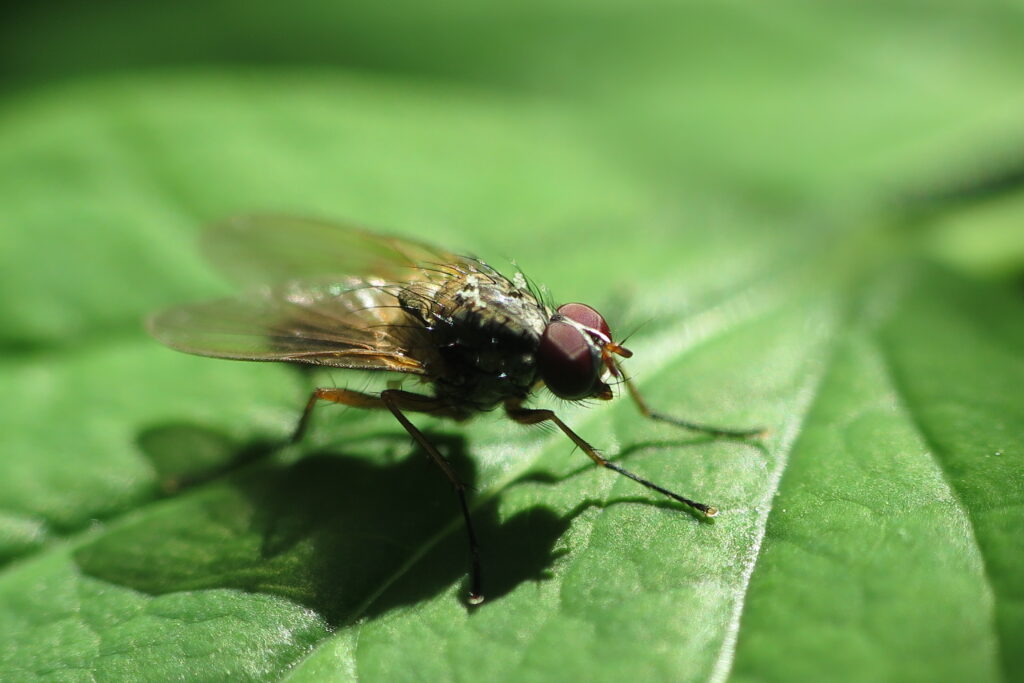
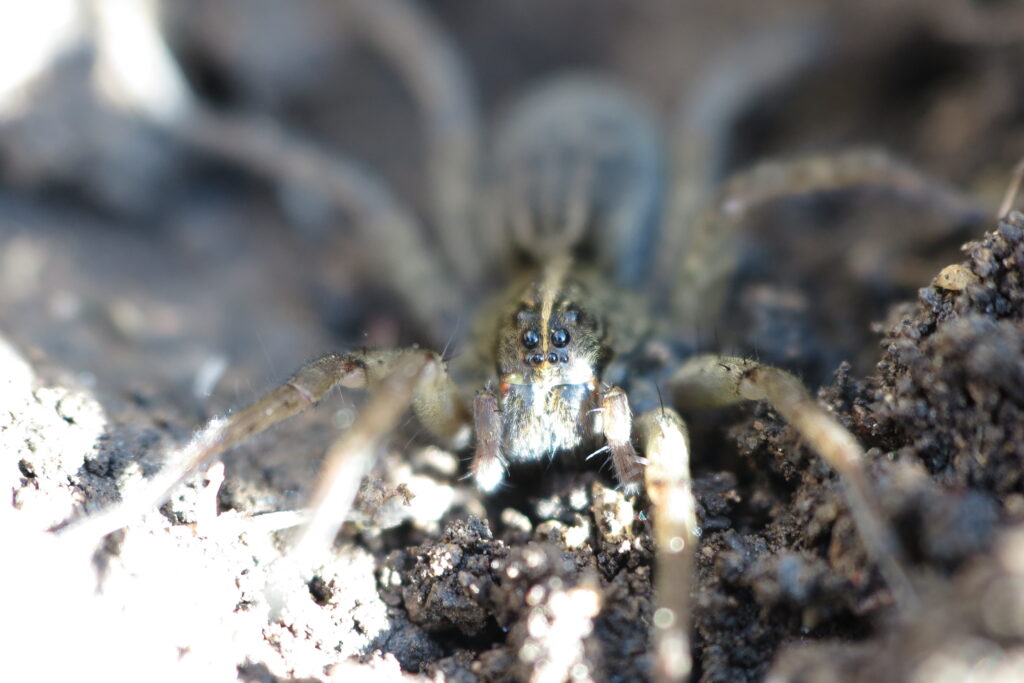
All Wild Animals Browse every documented wild animal species across forests, wetlands, waterways, and natural habitats. Northern Cardinal Bright red songbirds commonly found in forests, backyards, and woodland edges throughout much of eastern North America. Black Rat Snake A large non-venomous snake commonly found in forests and fields, known for controlling rodent populations and climbing trees with ease Wolf Spider Large roaming spiders known for their speed, sharp eyesight, and ground-hunting behavior across forests and woodland trails. Blacklet Fly A small blacklet fly commonly seen on wildflowers, feeding on nectar and playing a subtle role in pollination. Common Earthworm A soft-bodied soil dweller commonly found underground, known for breaking down organic matter and improving soil health through natural decomposition. Calligrapher Fly A small striped hoverfly often mistaken for a wasp, known for its precise hovering flight and role as both a pollinator and natural pest controller. Land Planarian A striped land planarian gliding through moist soil, a hidden predator that feeds on earthworms and other small invertebrates. Groundhog A groundhog, a burrowing rodent native to North America known for its strong digging ability and underground burrows. Funnel Weaver Spider A funnel weaver spider, a fast-moving ground spider recognized for its mottled abdomen and low, surface-level hunting behavior. Spring Field Cricket A spring field cricket, a ground-dwelling insect recognized for its dark coloration, chirping calls, and powerful hind legs. Wild Horses Wild horses grazing in the Outer Banks, North Carolina (feral domestic horses) Yellow-Banded Millipede A yellow-banded millipede, a forest arthropod with bold black and yellow banding and chemical defenses. Big-Headed Ground Beetle A soil-dwelling predator with a large head and ridged body, known for burrowing and hunting insects underground. Canada Goose A Canada Goose stands at the edge of a shallow stream, remaining alert as it moves slowly along the water while scanning its surroundings. European Earwig A nocturnal insect with distinctive rear pinchers, commonly found in moist soil and under debris where it hides during the day and forages at night. Buffalo Treehopper A small, thorn-like insect that blends seamlessly into plant stems, using its shape and color to stay hidden in plain sight. Eastern Tiger Swallowtail A bold yellow and black butterfly commonly found in gardens, drifting between flowers as it feeds on nectar. Eastern Newt A bright orange “red eft” Eastern Newt, a land-dwelling juvenile stage with bold warning colors. Garter Snake A familiar backyard snake across North America, easily recognized by its striped pattern and ability to thrive in diverse environments. Eastern Gray Squirrel A common tree squirrel found in forests and neighborhoods, recognized for its bushy tail and agile climbing ability. Red Ants Close-up of likely Myrmica ants carrying larvae as they relocate and protect their developing young. Woodlouse A small armored crustacean commonly found beneath logs, rocks, and damp soil, known for its ability to curl into a protective ball. Blue Jay A vibrant woodland songbird recognized for its blue feathers, loud calls, and intelligent, social behavior. Painted Turtle A colorful freshwater turtle commonly found in ponds and wetlands, recognized for its patterned shell and basking behavior. White-Tailed Deer A graceful and alert deer species commonly found in forests, fields, and woodland edges throughout North America. Dusky Salamander A small woodland salamander commonly found near streams, rocks, and damp forest habitats. Browse by Category Mammals Wild mammal species documented across forests, grasslands, wetlands, and natural habitats. Birds Bird species observed in woodlands, wetlands, waterways, and migration habitats. Reptiles Cold-blooded reptiles including snakes, turtles, and other scaled wildlife species. Amphibians Frogs, salamanders, and moisture-dependent amphibians found near wetlands and streams. Fish Aquatic wildlife observed in ponds, creeks, rivers, wetlands, and freshwater habitats. Insects Insect species documented through macro photography and real-world field encounters. Arachnids Arachnids including spiders, ticks, and other eight-legged invertebrate species. Other Invertebrates Unique invertebrate wildlife including millipedes, worms, and other small decomposers. Field Observation Real-world nature discoveries, unusual encounters, tracks, behaviors, and observations documented directly from the field.